
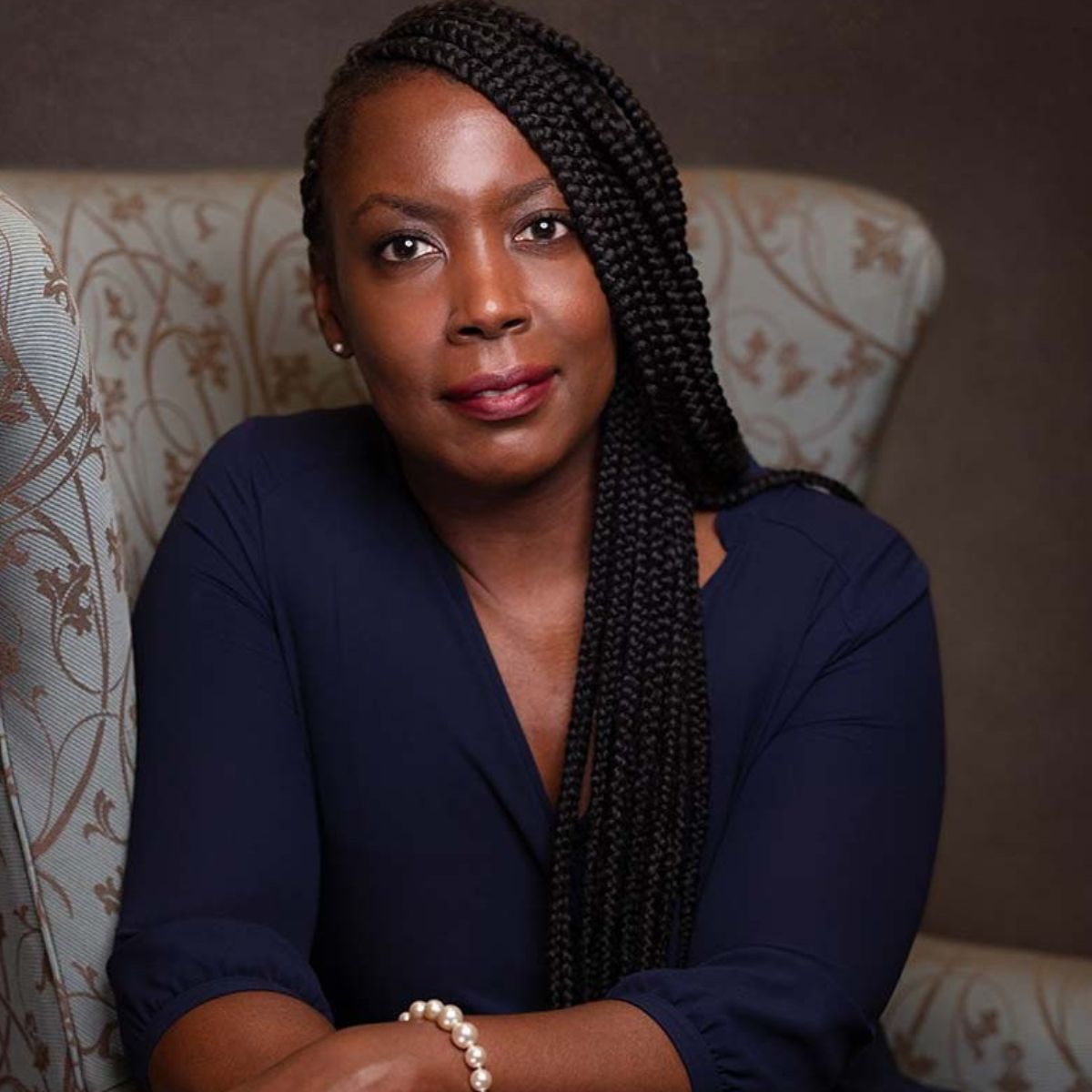
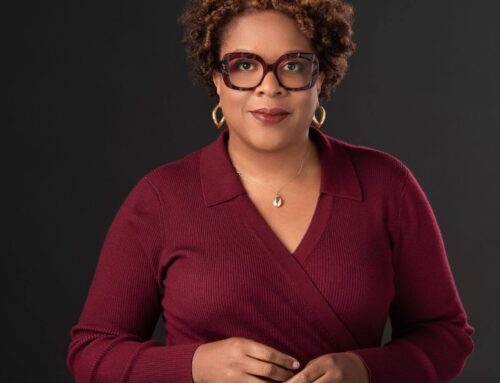
Terah Shelton Harris is an author and former librarian, who now writes upmarket fiction with bittersweet endings. She is the author of One Summer in Savannah and Long After We Are Gone. Her books have been chosen as a Target Book Club pick, LibraryReads pick, Kobo Best Book, Together We Read pick, Publisher’s Marketplace Buzz Book, and a Goodreads Choice Awards nominee for Best Debut. Terah was also named Target’s first Author of the Year. She lives in Alabama with her husband.
Tell us about Where the Wildflowers Grow. What was your inspiration for this story?
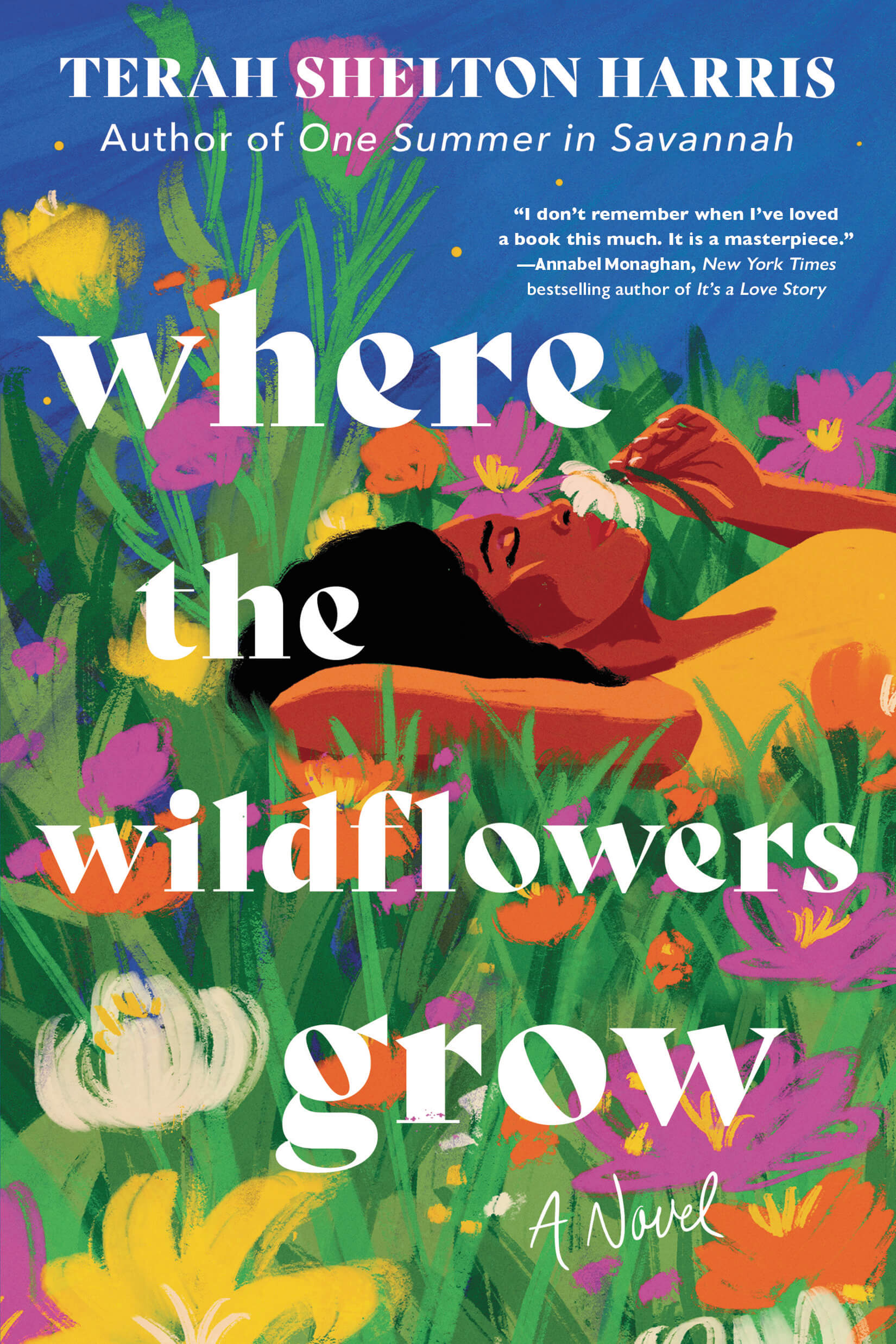
Grief was the seed that grew Where the Wildflowers Grow. In both of my previous books, grief has been quietly present. I realized I’d been circling the topic without fully confronting it because I wasn’t ready to sit with its messiest truths. So I decided to tackle it head-on. But I wanted to go deeper and peel back the layers of grief, the discomfort, the confusion, the sorrow that doesn’t fit neatly into a box. I wanted to give a voice to the parts that are often left unspoken. Grief isn’t just about loss; it’s about the messiness of emotions that don’t have clear boundaries. How do you grieve someone who hurt you, yet whose absence still leaves a void? How do you grieve someone for whom closure is not possible? How do you process grief when it feels unfinished, when the emotional work of saying goodbye never truly happens? Writing about grief was a journey for me. It was uncomfortable at times. But I wanted to honor it in all its forms, the rawness, the unpredictability, and the way it lingers in places we don’t expect. My hope is that Leigh’s journey gives readers permission to sit with their own grief, however messy it may be.
Buy the book now: Bookshop.org | Amazon
What drew you to Leigh as a character?
Leandra (Leigh) was raised in survival mode. Everything taught to her was geared toward being strong, how to endure suffering, suppressing her emotions, and how to keep going when things got hard. She was never taught how to be still or how to feel. I wanted to explore that and how she breaks out of it and what that looks like on the other side. She spent so long in survival mode that she forgot what it meant to truly care for her mind and body. Settling in on the Flower Farm, she didn’t have to worry about the basics. There was food, shelter, and space. Space to breathe. Space to feel. There, she began to listen to herself, her body, and parts of her she had ignored. Through meditation, she uncovered something deep about herself that she had never considered. That realization cracked something open in her that opened the door to her healing. Yoga, too, was a way back into her body, a reminder that her body mattered. As Leigh says, “Living is a run-on sentence—never-ending, a collection of experiences that strengthen you along the way.” It’s in those experiences on the Flower Farm that Leigh understands what that really means. She learns to be vulnerable and to experience connection. For the first time in her life, she feels safe enough to dream, to trust, and rest. Not just to survive, but to live.
Where the Wildflowers Grow is about allowing yourself a second chance and letting go. What inspired you to explore these themes using a flower farm as the setting?
The decision to set the story on a flower farm was very intentional and tied to the healing journey I wanted Leigh to undergo. The farm itself became a metaphor for her emotional transformation, reflecting the stages of growth, healing, and renewal. If you think about the life of a flower, it mirrors Leigh’s journey in so many ways. At the start, Jackson forces her to acknowledge that she needed help, much like planting the first seed. She has to make the decision to begin the process of healing and to acknowledge she can’t do it alone. Then, she had to dig in the dirt with her bare hands, literally and figuratively. It’s messy and uncomfortable, much like facing your past, your mistakes and your trauma. Leigh digging up the dahlia tuber symbolized uncovering those buried parts of yourself that are often difficult to face. But once the seed is planted, the work is not done. From there, you have to nurture, care, and tend to it. For Leigh, that was through yoga with Tibb and grounding with Jackson. Flowers need time to grow, just as Leigh needed time to heal. That’s what the farm gave her, the space to breathe, to be still, and reflect. Time is what allows her process what happened to her and come back stronger. Finally, the seed sprouts and Leigh emerges from her trauma with a new sense of purpose and hope.
How has your experience as a librarian informed your practice as an author?
As a librarian, I spent years connecting readers with the stories they needed—the ones that would speak to their hearts at exactly the right moment. I saw firsthand how books could transform lives, offer comfort, and help people feel less alone. But I also noticed gaps on the shelves. There were stories I wanted to hand to readers that didn’t exist yet—stories about complex grief, about survival versus living, about Black characters navigating trauma and finding healing in unexpected places. Eventually, I realized I needed to write those stories myself. My library background taught me what readers hunger for: authentic emotion, characters who feel real, and narratives that honor the messiness of being human. That’s what I try to create in my upmarket fiction—stories that sit with you long after you close the book.
Your first two books have a heavy focus on family, what those relationships mean, and what it takes to protect and nourish them. What made you want to go in the opposite direction and portray a character who has lost her entire family?
I’ve always been drawn to stories about people who build families from the wreckage of their lives. There’s something profoundly beautiful about choosing each other—about creating home not from blood ties but from shared understanding and deliberate care. On the flower farm, Jackson, Tibb, and Luke have all survived their own traumas. They don’t ask Leigh to be fixed or healed before she belongs. They just ask her to stay. That kind of acceptance—being seen in your brokenness and loved anyway—that’s what real healing looks like. I wanted to show how community can hold space for our pain without trying to rush us through it. The farm family doesn’t have all the answers, but they show up for each other with persistent tenderness, and sometimes that’s enough to help someone believe they deserve something good.
Who is a character in Where the Wildflowers Grow you think readers will be excited to meet?
Jackson. He’s not just a hunky flower farmer. Leigh’s story is shaped by pain and by the belief that she is unworthy of love, or that love will only hurt her. The romance in this book wasn’t just about adding heat or tension. It was about giving her someone who sees her clearly and chooses her anyway. Jackson represents a kind of love she’s never experienced. He’s patient, steady, and deeply respectful. He makes room for her to be messy and unsure and still deserving of love. And for Leigh, who has spent so long believing she must carry everything along, that tenderness becomes revolutionary. I’ve written a little romance into my books, but romance wasn’t the center of the emotional arc. This time, love is the healing. I wanted to show how intimacy can be both terrifying and transformative, how choosing to trust someone with your heart can be an act of courage.
What is something about your publishing journey for Where the Wildflowers Grow that you think readers would be interested to hear?
While the story is fictional, the places mentioned in the book are not. I had the pleasure of attending the Airing of the Quilts Festival in Gee’s Bend twice, once while researching Gee’s Bend and Camden for the book and again just because I fell in love with the area. I’m not originally from Alabama but my husband is, and he loves this state as if it’s a relative. He never stops speaking about what makes it great. Gee’s Bend is one of those places. The quilts, originally made by formally enslaved residents, were created out of necessity, to stay warm during cold nights, using whatever materials they had on hand. And what an elegant way to solve a simple problem. They had no idea that their quilts would one day be celebrated as works of art and admired around the world.
What are you currently reading?
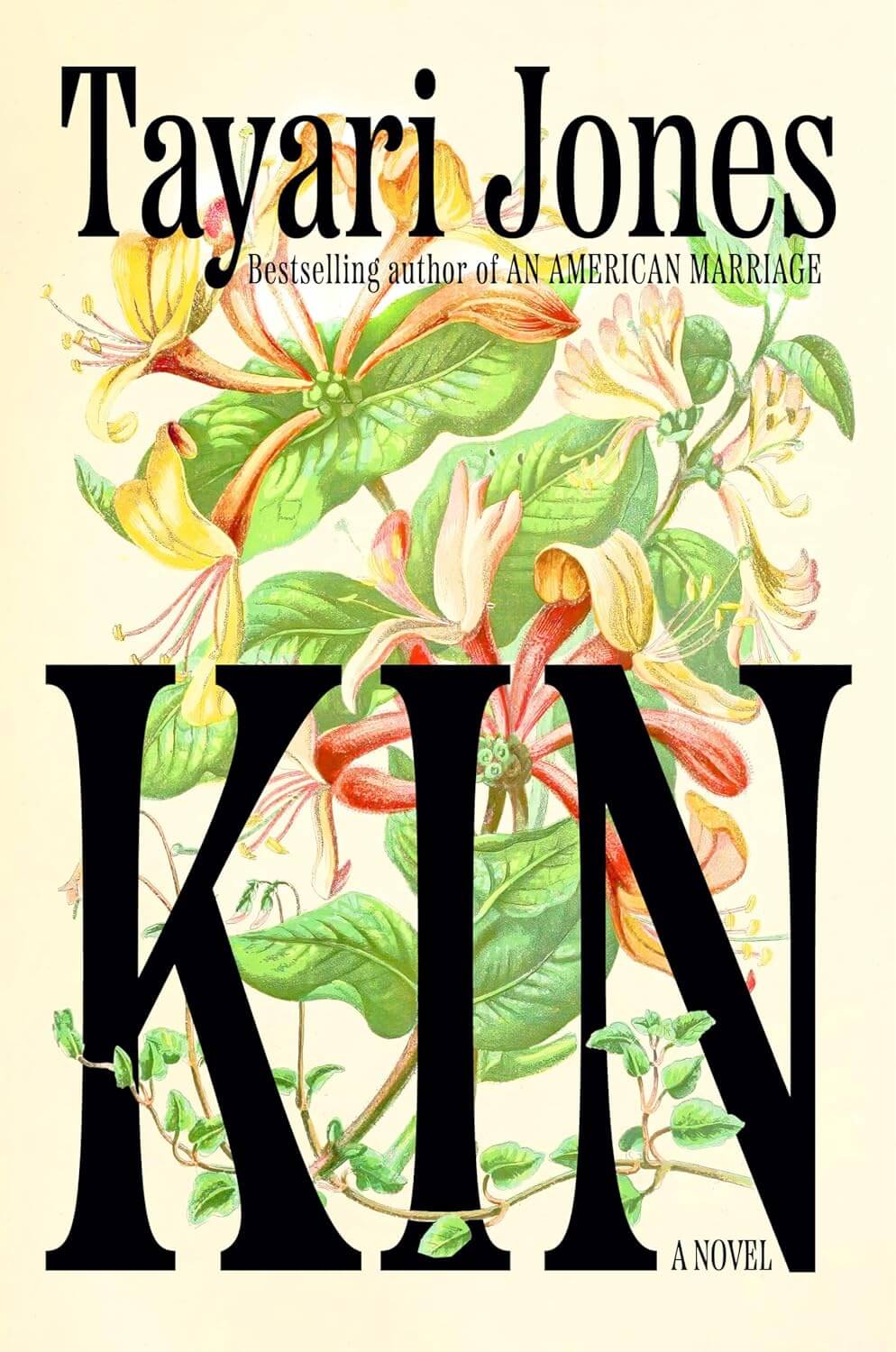
I’m currently reading an ARC of Tayari Jones’s latest book, Kin. It’s so good!
Buy the book now: Bookshop.org | Amazon
What is a book you love that might surprise your readers?
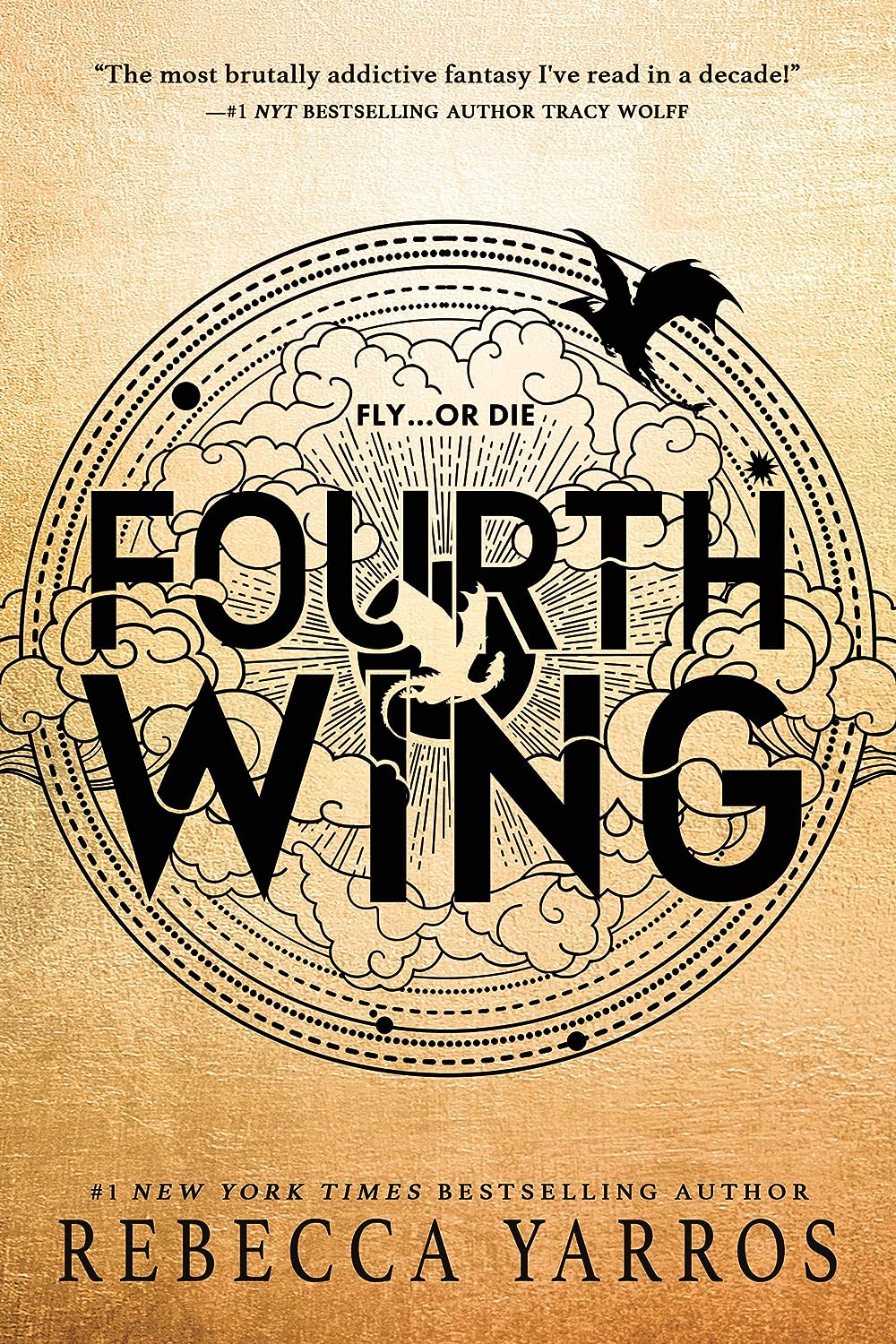
Fourth Wing. I LOVE this series and recommend it to everyone!
Buy the book now: Bookshop.org | Amazon
What are you currently watching?
Normally, I don’t consume a lot of TV. But there have been so many great shows on lately. I devoured Heated Rivalry and the second season of Maxton Hall. Next, I’m excited for the second season of Cross and the fourth season of Bridgerton.
What are you currently listening to?
I have the Sinners soundtrack on repeat!

What are you working on next?
I don’t know if I’m at liberty to say much about it, but I’m working on a standalone book to my debut novel, One Summer in Savannah.
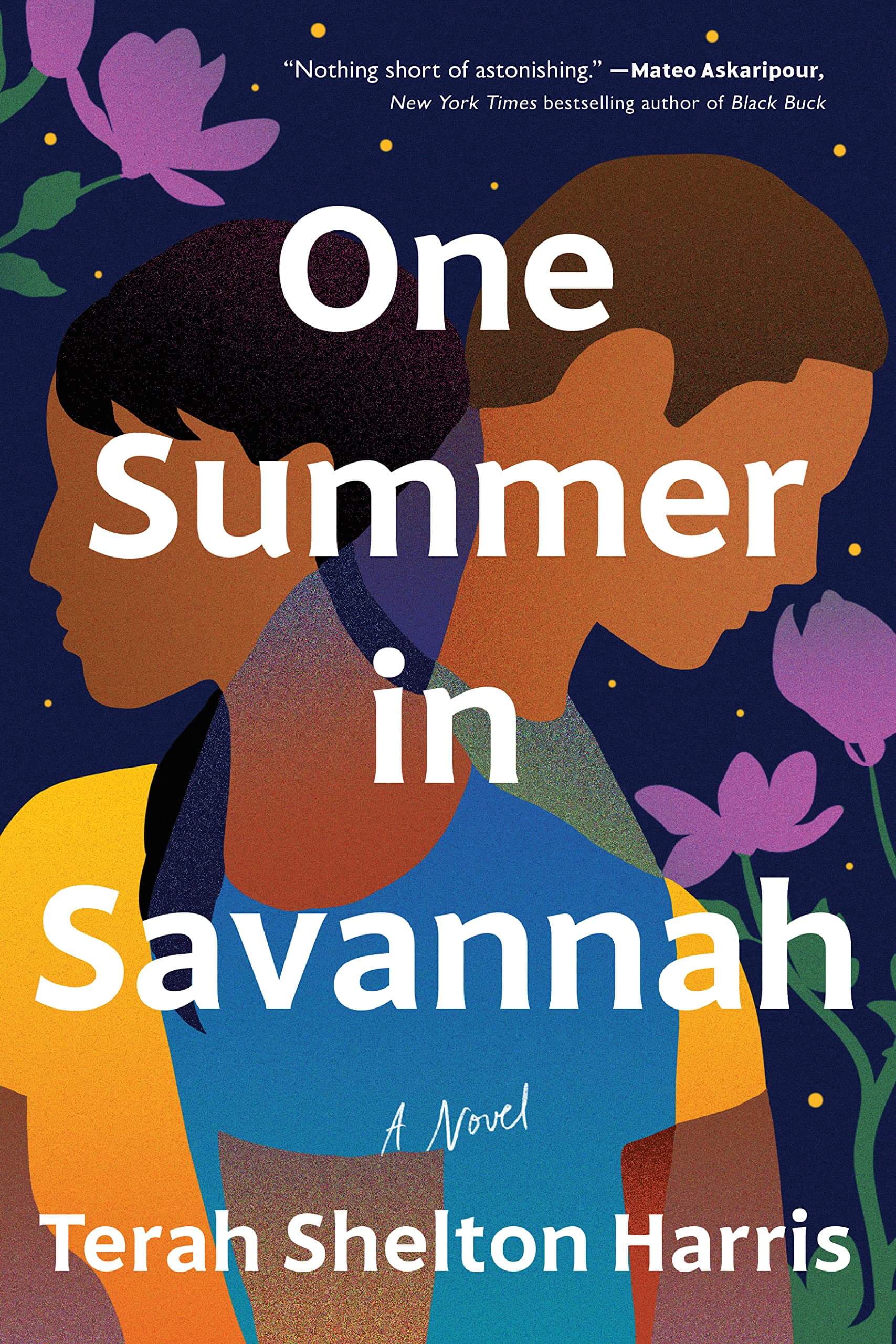
Buy the book now: Bookshop.org | Amazon

Leave A Comment