

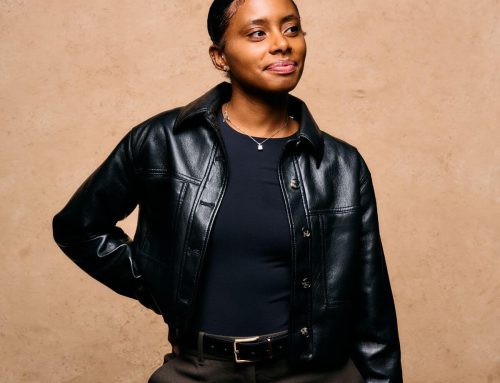
Jessica Knoll took the thriller space by storm with her 2015 bestseller Luckiest Girl Alive. That novel became the Mila Kunis-led Netflix film and we’ve all been collectively obsessed ever since. With other instant hits like The Favorite Sister and Bright Young Women, we’ve been anxiously awaiting a new release. And it’s arriving this summer. Helpless hits shelves July 7th, 2026 but as a part of The Epic Summer Reading Issue, we got an early opportunity to catch up with Jessica while we wait for her seductive thriller to land in our beach bag.
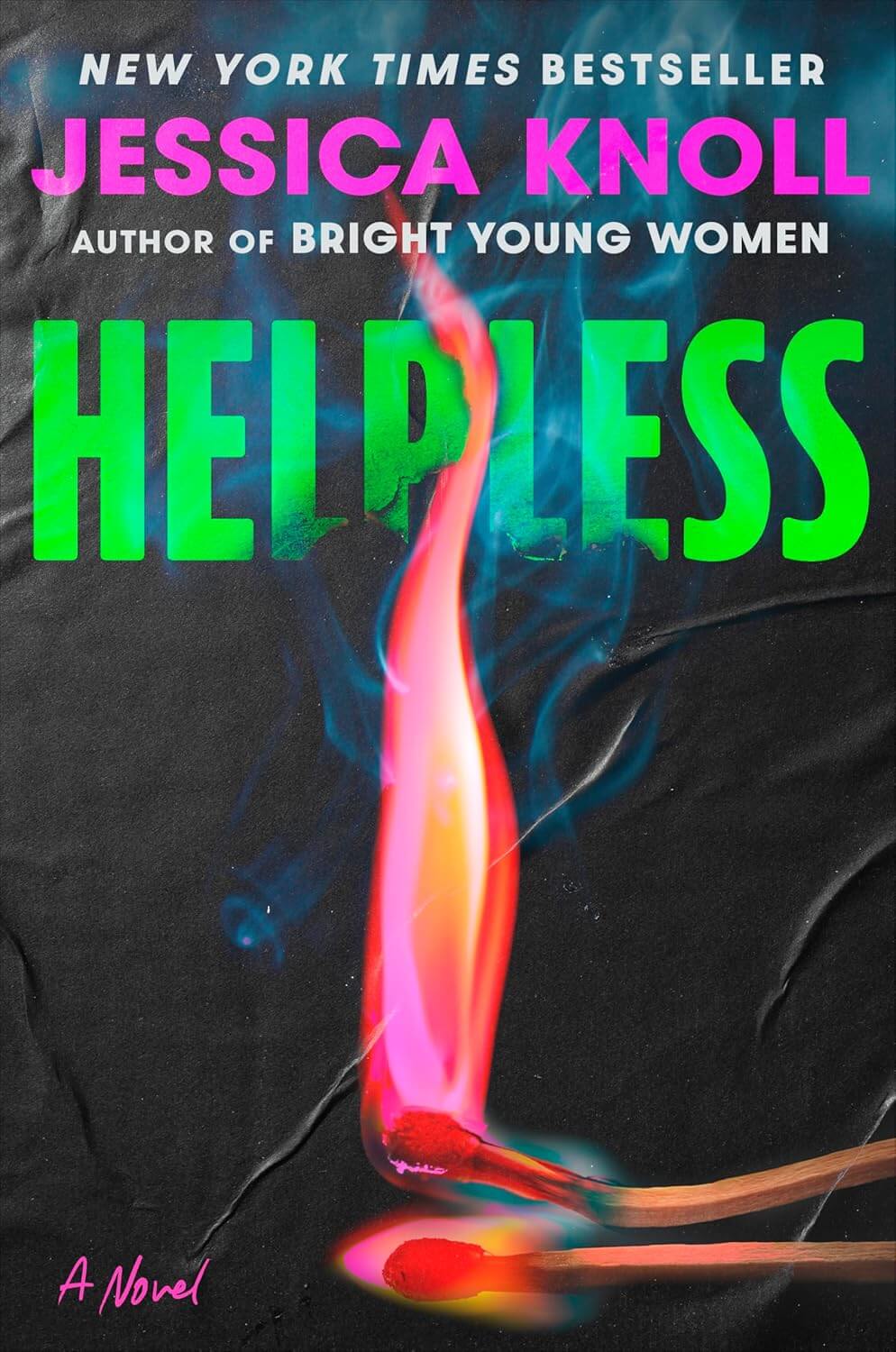
She Reads: Tell us about Helpless and what inspired this story.
Jessica Knoll: Helpless is an erotic thriller, which is a little bit of a departure for me. It’s told from the perspective of Faye Heron, who returns to her college campus to attend the funeral of her beloved mentor and film professor. There, she runs into her college ex-boyfriend, whom she hasn’t seen in over ten years. They had a very volatile relationship—and a pretty disastrous end—and they haven’t spoken in a very long time.
At the funeral, they decide to bury the hatchet and move on. They’re there to honor their professor and the impact he had on their lives. And everything is fine until she accepts a drink from her ex-boyfriend, passes out, and wakes up to find she’s been abducted. She’s being held captive in his remote cabin in the Adirondacks.
From there, a mystery unfolds, along with a revisitation of events from the past that forces her to see her relationship with her ex-boyfriend—how it ended, and why it ended—in a completely different way.
Buy the book now: Bookshop.org | Amazon
She Reads: You’ve said before that you balance market trends with your own artistic instincts. Do you feel like moving into erotic thriller territory reflects the current “spicy” book market?
Jessica Knoll: I think so. I also just started reading more books like that. I had always seen myself as someone who leaned more toward psychological suspense, thrillers, and mysteries. And then I got really into romantasy. I was really into A Court of Thorns and Roses, and I discovered Ali Hazelwood. I loved her paranormal debut, Bride.
And I was like, ooh, I kind of want to write something like this, you know? It’s always exciting when you find yourself drawn to a topic or a trend that you also organically feel like, this is what I want to read, this is what I want to write.
That doesn’t always happen. There are lots of microtrends that pop up where I’m like, mm, there’s nothing there that really calls to me. But this one did.
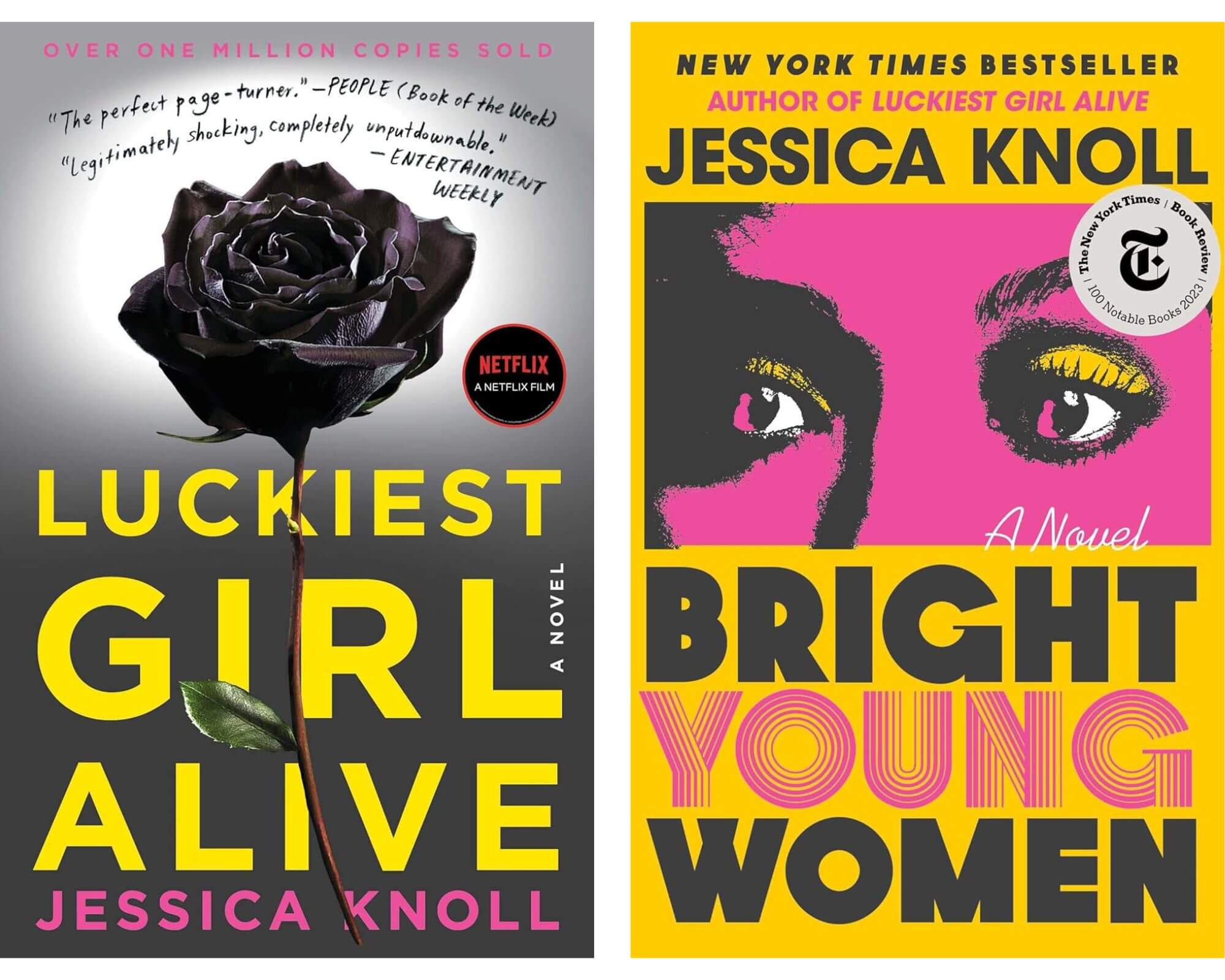
She Reads: Where does Helpless fit in your evolution from Luckiest Girl Alive to Bright Young Women?
Jessica Knoll: Helpless is probably closest in tone and character to Luckiest Girl Alive. I keep referring to it as a spiritual successor. It revisits trauma through a different lens and features a female character with a very distinct voice.
It was also a return to contemporary, because my last novel was inspired by historical events and true crime, and it was set in the 1970s. That required me to really stretch my wings and do a lot of research to make sure I was capturing the time period accurately.
So it felt good to come back to something that lives in this time period, because I didn’t have that second-guessing that came with writing Bright Young Women.
She Reads: The relationship between Faye and Henry feels both magnetic and dangerous. How did you build that dynamic?
Jessica Knoll: I think what’s interesting about the danger piece is that the dynamic works in a way where, on the surface, Faye is the one in peril. She’s been kidnapped, she doesn’t have a way off the island, he won’t tell her why she’s there, and she’s trying to figure out what’s going on and how she fits into this larger story that’s unfolding around her.
But in the romantic and sexual aspects of their relationship—where she also seems to be the one in peril—it’s actually being driven by Faye. It’s not Henry’s preference; it’s Faye’s. So there’s a lot of play with power in that sense.
And then, socially, their dynamic has shifted too. When they were together, Henry came from money and Faye was the scholarship kid. Now Faye is very, very successful. So that’s altered the balance between them. They’re almost meeting again as if for the first time, because they’ve never known each other on equal footing in that way.
She Reads: What draws you to exploring power dynamics in relationships?
Jessica Knoll: Faye and Henry’s relationship and what they engage in might be labeled as taboo. But just because something is considered taboo, especially Faye’s preferences, doesn’t make it uncommon.
I was really interested in exploring that question: why do women have these kinds of fantasies? It’s something that’s been studied and talked about for a long time. I started my career as a writer and editor at Cosmopolitan, so I was constantly pitching stories about sexual desire and how to maximize pleasure for both. That kind of power play dynamic came up a lot in those conversations.
And even back then, I was in charge of curating the “Red Hot Read,” where we’d excerpt steamy passages from erotic books. I read so many stories where that dynamic was at play.
So I think I’ve been thinking about it since my early Cosmo days. I’ve seen how common it is, and yet it still feels hushed, like something we don’t fully talk about or explore. I’m always drawn to things that feel like, maybe we shouldn’t talk about that, but maybe we should.
She Reads: The book explores how we remember past relationships. What were you trying to examine there?
Jessica Knoll: I think most people have had a relationship with intense chemistry that just wasn’t sustainable. As you move into a more stable phase of life, those relationships can take on a kind of mythic quality.
There are moments—like reunions or funerals—when you revisit the past and wonder what it would be like to see that person again. Even if you know it didn’t work, something about it sticks with you.
She Reads: What role does memory play in the twists of the novel?
Jessica Knoll: Well, I don’t know if it’s so much about memory as it is about how our perception of ourselves is so rarely rooted in reality, especially the way we saw ourselves when we were younger. Hopefully, as we get older, we gain more awareness and start to see ourselves more clearly, identifying places where we can grow.
I always think about this piece of advice another author gave me when I was working on Luckiest Girl Alive. He said you don’t have to worry so much about how you depict people who may or may not be inspired by real life, because people don’t see themselves the way you see them. He told me he once wrote a character inspired by his mother—someone he loves, but with whom he had a difficult relationship when he was younger. After she read the book, she said, “Oh, I hated that character.” But it was her.
So I think it’s less about memory and more about how flawed our perception is, and how it’s almost always shaped by where we are in our lives. It takes a real amount of skill to step outside yourself and see things as they actually are, without ego attached to it.
She Reads: What compelled you to set the story in a remote cabin?
Jessica Knoll: I spent a little bit of time in the Adirondacks when I was younger, visiting friends whose families had camps there. I just really loved how remote the area felt.
The challenge was that, at the time, I was living in Los Angeles, so getting there for research— which I did twice while writing the book—was a whole ordeal. It was basically a 13-hour day. The closest airport is Albany, and there are no direct flights from L.A., so you’d fly in, rent a car, and then drive about two and a half hours. And I was going in the winter, so by the time you land, it’s pitch black, and you’re on these dark back roads thinking, there is not a soul out here.Like, if my car breaks down right now, it’s 11 degrees, I have no cell service… it’s a little terrifying.
So there was always this idea of, oh, if I set it here, I can have that fantasy of being the writer alone in a cabin. But in reality, I was too scared to actually do that. I stayed in Lake Placid, which is one of the more populated areas, in a really cute hotel right on Main Street.
She Reads: How have trends in female-driven thrillers changed since you started?
Jessica Knoll: The market is more saturated now, which is natural. Trends cycle.
Early in my career, I felt lucky that what I loved to write was also in demand. Now I sometimes think, I wish I could write an Emily Henry-style book, but I can’t.
Even when I write dark material, I don’t feel dark. I feel at home in it. You have to follow what speaks to you and trust your moment will come around again.
She Reads: As we head into summer, what’s your ideal reading or writing spot?
Jessica Knoll: The beach. Sitting under an umbrella, covered in SPF 100, reading with no cell service.
She Reads: What travel inspires you creatively?
Jessica Knoll: Honestly, it’s less about the destination and more about whether you’re alone. Solo travel forces you to be present and observant.
She Reads: What are you currently reading?
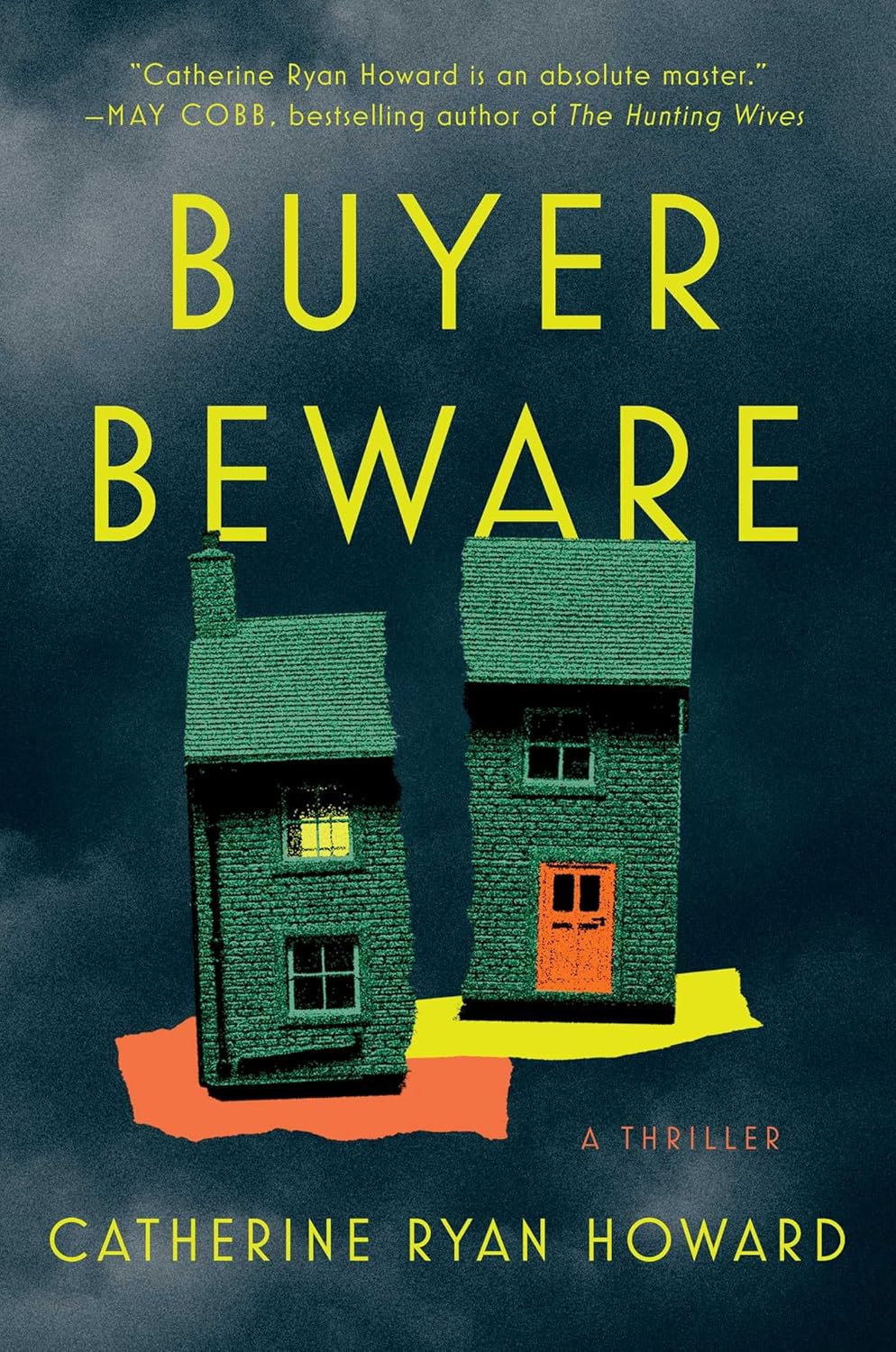
Jessica Knoll: I’m reading Buyer Beware by Catherine Ryan Howard, it comes out in July. She’s fantastic.
She Reads: What books do you recommend most often?
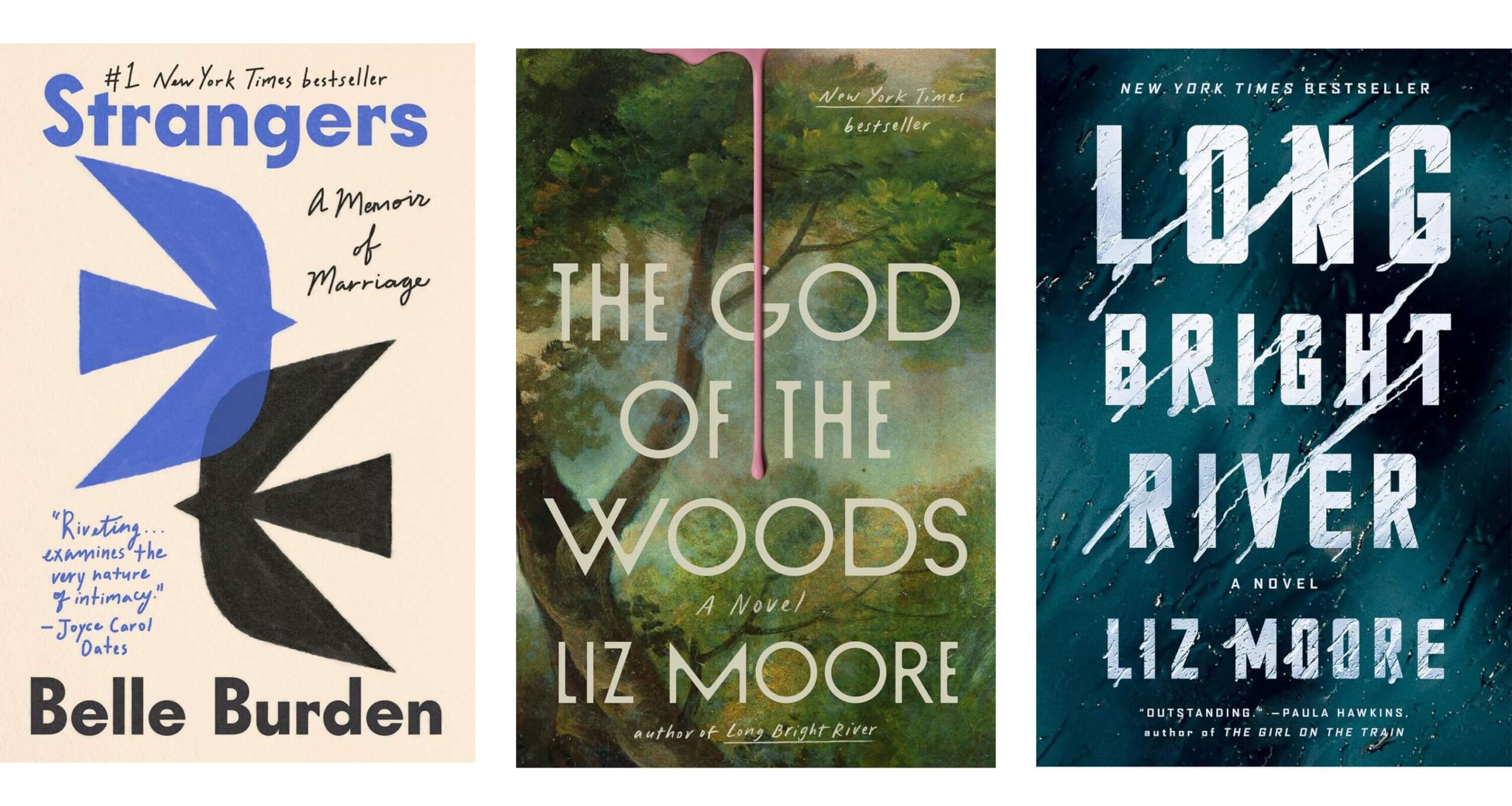
Jessica Knoll:I’m constantly recommending Belle Burden’s Strangers right now. I’m always like, I just want to give you a book you’re going to crush in 24 hours and not be able to stop thinking about, and that’s the one. I think it’s incredible. It’s gone viral, and I’m always so happy when a book takes off like that.
I always recommend Liz Moore. She’s one of my favorite writers. The God of the Woods, and then if people read that and love it, which they obviously do, I tell them to go back and read Long Bright River.
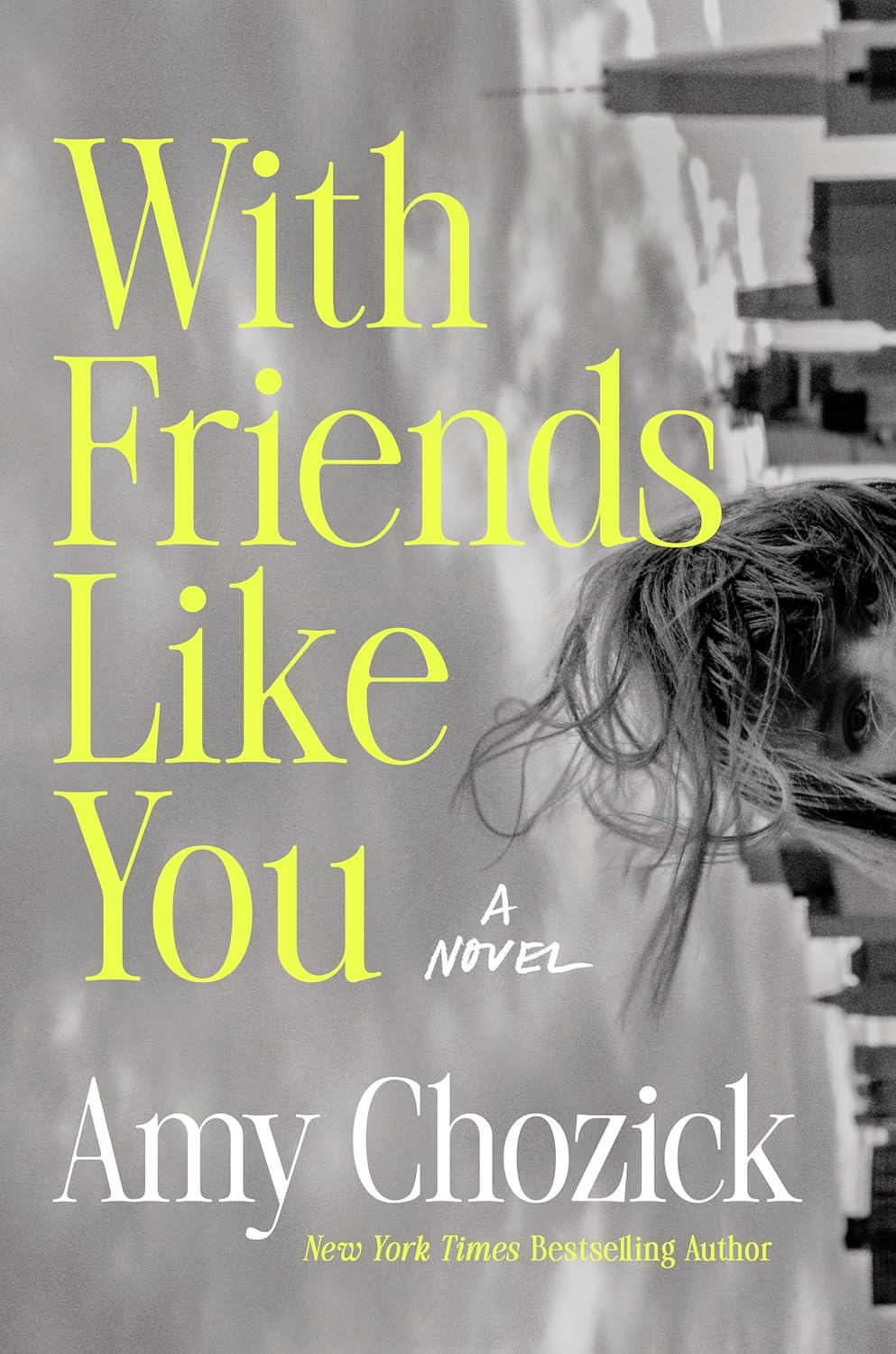
She Reads: Any 2026 releases you’re excited about?
Jessica Knoll: With Friends Like You by Amy Chozick—it’s excellent.
She Reads: What are you working on next?
Jessica Knoll: I’ve started a new novel. It’s in the very early stages. I spent months circling ideas, but now I’ve landed on one that feels right. I’m researching, listening to podcasts, and just getting a feel for it.
I’m also working on some adaptation development for Bright Young Women.



Leave A Comment