
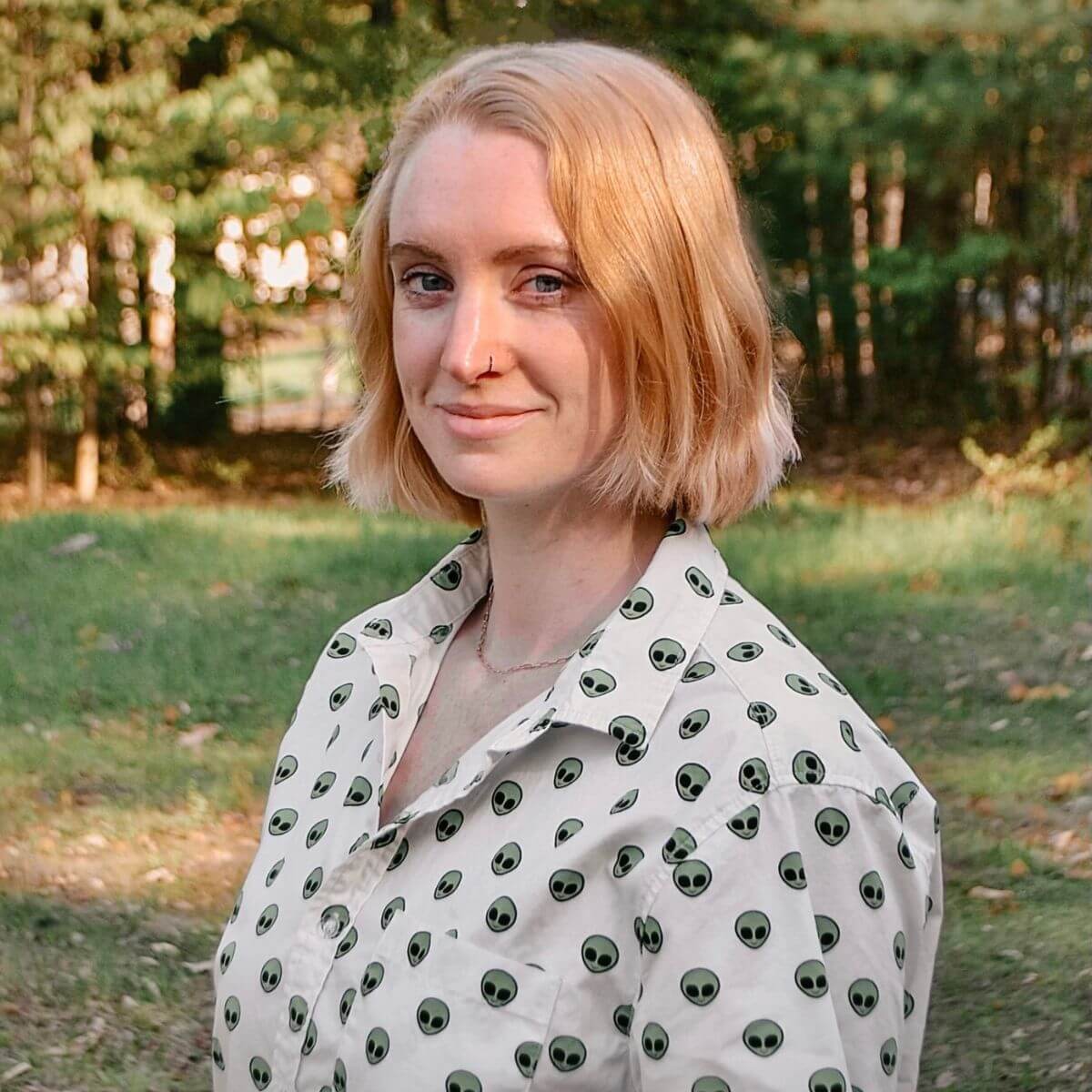
Tell us about The Last Time We Drowned. What inspired this story?
The Last Time We Drowned was inspired by the influencer content houses that were popular a decade or so ago—groups of attractive, young internet stars who roomed together in big mansions, making content and hooking up with each other and generally being very dramatic. I love reality TV, so I was very invested in these types of groups because there was always something juicy going on. I thought about what would happen if one of those influencers vanished, if the drama ratcheted up to something more deadly and dangerous instead of who was hooking up with who.
What first drew you to influencer culture as the backdrop for a thriller?
This type of influencer culture has existed for a while, and it’s ripe for the type of fast-paced, high-energy plot you need in a thriller. There’s a lot to talk about when we examine influencer culture—what’s real and what’s not, how we as a society engage with online content, and if being an influencer counts as a real career. Throw in spooky elements, secrets, and murder, and you’ve got a really fun thriller.
Why do you think influencers make such compelling thriller characters?
The idea of presentation is really interesting. I wanted to bring characters who are doing something fairly internal—creating content for followers who only exist to them on their phone—into a more external setting. The characters in my book have to confront who they portray themselves to be online with who they really are, especially after they get trapped onboard a yacht during a hurricane. Who are you without Wi-Fi?
The book has been described as “Agatha Christie for the Instagram age.” What does social media add to a classic locked-room mystery?
In this book, the characters are actually cut off from social media for more than half the story because of the hurricane! That’s part of the drama of it, for them. Social media is their livelihood, but it’s also where they have the most control of their narrative and how they present to the world. Taking that away ups the stakes and makes them more fearful, more nervous. Cutting my characters off from both the world and social media increases the tension and makes that locked-room vibe feel more present.
Did you set out to critique influencer culture, or were you more interested in understanding it?
Neither! I spent years as a micro-influencer in the sobriety community, and I’ve got first-hand knowledge of the double-edged sword of social media. It can be both helpful and harmful, a powerful connector and a brutal divider. My professional experience running, creating, and managing social media accounts for brands and companies was also a factor. Because of my personal and professional relationship with social media, I have a deep understanding of the landscape, but I wanted to portray it with nuance. It was important to call out social media’s issues while still maintaining a certain amount of respect for the hard work it takes to actually be an influencer.
What does the book suggest about the cost of turning yourself into a brand?
It definitely warns against making YOU the product. Especially if you’re not being true to who you really are. If you’re monetizing yourself for social media analytics, you are tying your worth to literal numbers on a screen. That can be a slippery slope, and that way lies madness. Or, at least, really terrible self-esteem.
What interactions have you experienced online that found their way into the book?
Our main character is a bookstagrammer, so there are some fun meta comments about bookish online spaces, authors, and publishing. Those examples were fun to write because I could pull direct examples from being in those spaces myself. The type of content these creators make or the most popular books being reviewed were fun to lovingly satirize in this story.
Do you feel influencer culture is mostly entertainment, or is it shifting society?
It really depends on the influencer and their particular niche. Influencers who use their platform to fight for social justice, the environment, mental health, etc. can absolutely cause shifts in society. For example, I think our culture’s rising acceptance of sobriety and sober-curious living is a direct result of the alcohol-free movement happening on social media, one I was lucky to be a part of for so many years. Are there still influencers who are online simply for entertainment or to flaunt a lifestyle or to bask in the attention of strangers? Absolutely. But it depends on the person.
As someone with a following online, what sort of things did you confront when writing this book?
The main character, Charlie, doesn’t share her real life (or even personality) with her followers online, and that’s something I thought about a lot while writing this. How much of ourselves do we share with strangers? How much do we owe (or not) to the world? When do you stop being a person and start being a brand? How can you protect yourself in a world that is steeped in parasocial behavior and social media addictions? I’ve cultivated healthy social media boundaries for myself and how I interact with online content based on my responses to these questions.
Do you feel that writing this book has changed how you consume or create content?
I’m very careful with my social media interactions and consumption, and writing this book reinforced that. I don’t want to be like the influencers on Empress, obsessed with their phones and worried about how they’re being portrayed online. I think social media should be fun or even inspiring, a place to start social fires that burn out into our larger society, but I don’t want it to own me. It really is a good idea to take a break from the screens and go touch grass for a bit!
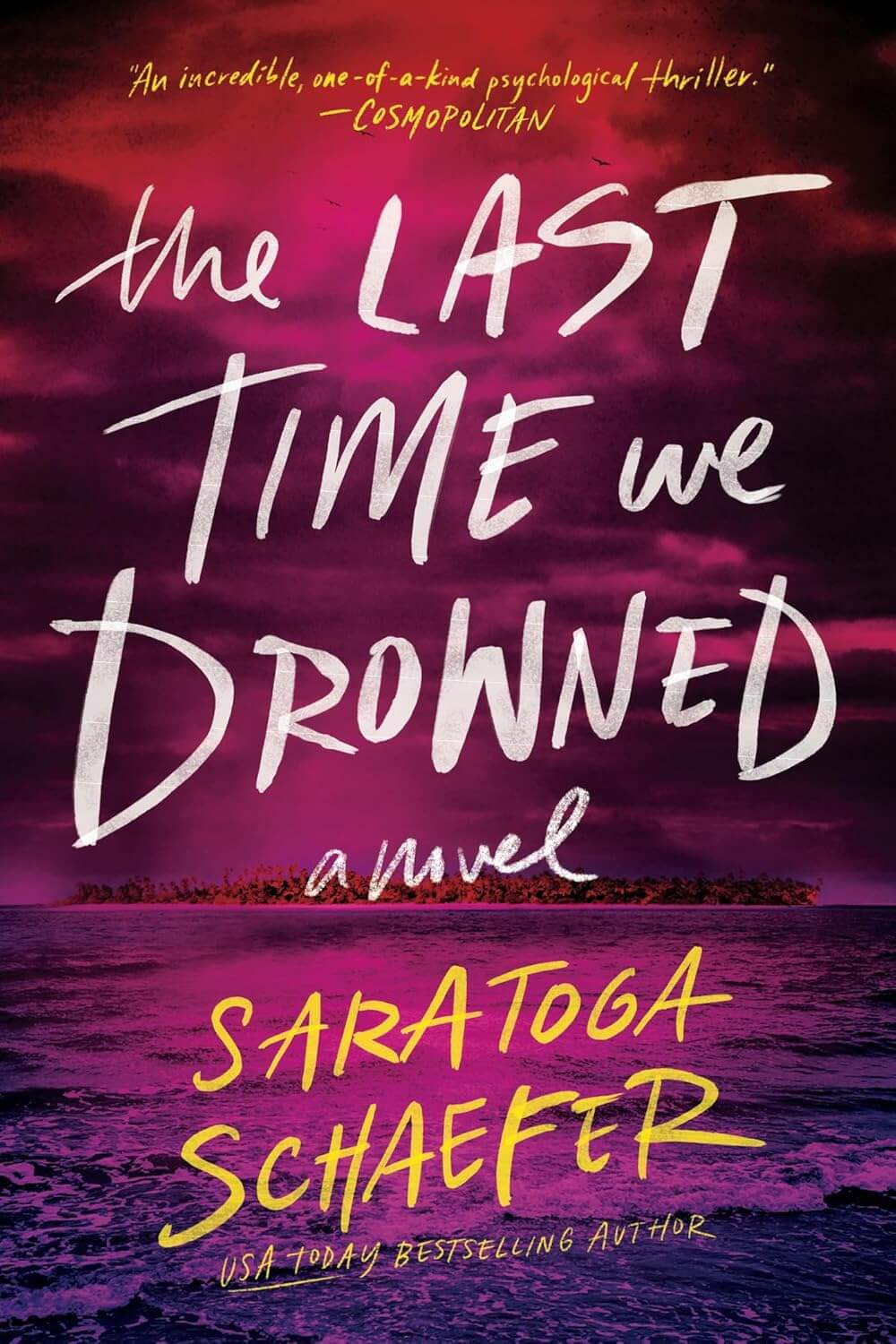 The Last Time We Drowned by Saratoga Schaefer
Charlie Engels has received the deal of a lifetime and right exactly when she needs it the most. Because of her bookstagram presence, she has the opportunity to go on the Empress, a luxury yacht influencer paradise. Though it’s not her dream job, Charlie is ready for the lucrative brand deals and the group “bond” with other influencers. Running from a betrayal from her best friend, the Empress will be the perfect distraction full of loud personalities. Things start to get a little odd when Charlie keeps seeing the influencer that she is replacing–the one that everyone is saying quit. A hurricane causes things to take a turn as supplies become limited, communication is cut, and the claustrophobia is causing old betrayals and tension to rise to the surface. Then a body is found, and Charlie realizes that she has to worry about surviving a murderer before she can think about living through a hurricane on a yacht.
Buy the book now: Bookshop.org | Amazon


Leave A Comment