
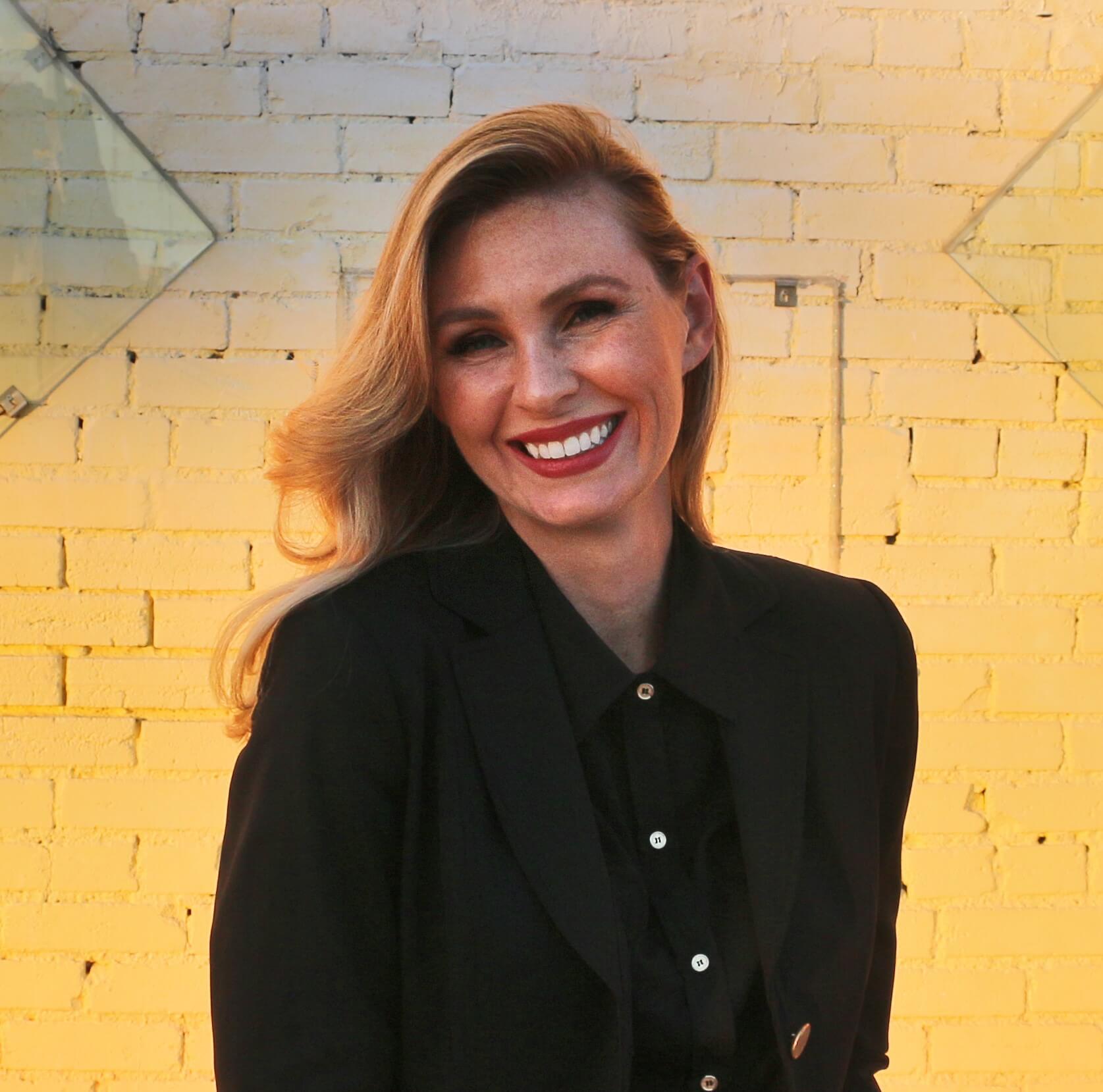
Ashley Winstead’s bestselling, critically-acclaimed books have been translated into more than twenty languages, optioned for film and television, named Book of the Month, Indie Next, Library Read, Loan Star, and Amazon Editor picks, and covered everywhere from the New York Times to People magazine. She’s a former academic who lives in Houston with her husband, three cats, and beloved wine fridge.
Tell us about Hot Girl Murder Club. What inspired this book?
I’m going to try my best to gather the threads that became the book. This is my first time listing them, which I do at the risk of appearing insane. Hot Girl Murder Club was sparked by:
a. A long-standing idea that has been circulating in the back of my mind about a group of women who did something heroic in their youth—maybe a sorority that got a campus predator captured and jailed—and later realized they made an epic and unforgivable mistake. I was interested in looking back on your past and realizing you were nowhere near as smart or good as you got credit for.
b. Regrets I have about not being a better feminist in my twenties, and letting things like friends’ and acquaintances’ eating disorders, mental health struggles, neuroses, and tragedies pass me by without enough intervention.
c. Patricia Highsmith’s Strangers on a Train and the idea of untraceability as key to a perfect crime.
d. Taylor Swift’s girl gang of celebrity besties and this “what if” question: What if up-and-coming powerhouse women actually gathered behind closed doors and strategized to fix each other’s problems—bad bosses, exploitative agents, predatory men—in a traceless way?
e. Science fiction that imagines future revolutions and the heavy lift it takes to spark them. Especially the Dune series, with its anti-hero message and the Bene Gesserit Sisterhood.
f. Girl groups—I’ve been fascinated by groups of women in fiction since I was a very young girl. The Babysitter’s Club, the aforementioned Bene Gesserit Sisterhood, the Sweet Valley High twins, covens like from The Craft, the women of Sex and the City. Basically, if it opened like, “Meet Sarah, she’s the smart one! Meet Claire, she’s the athlete,” I would devour it. In middle school, I used to write truly awful stories about groups of girls with supernatural powers and epic wardrobes who traveled around to different lands and solved problems. Think Clueless meets Marvel. This is my adult version.
g. Being told by multiple creative executives across various industries that we are post-MeToo and the appetite for feminism is dwindling or done, that readers and viewers don’t care about watching women getting vengeance or justice anymore, that after Trump was reelected the zeitgeist shifted and all anyone wants to do is put their heads in the sand, read fantasy, and escape for four years. (Obviously I had a defiant reaction to this.)
h. The idea that Hollywood and celebrity is a kind of fantasy land for most normal people, not too dissimilar from the fantasy lands in novels, and there was potential for escapism and realism in a thriller set there.
This is your second book release this year. You have been very prolific. What is your creative process like with different books entering different stages simultaneously?
I like to joke that being a writer requires you to exist in several different worlds and timelines at once, and that’s just the business side of it. Because books are produced over such a long arc, most writers are drafting one book while editing another and reflecting on and promoting a third. If you can hold it all in your head, I think it’s actually very helpful to be spread thin. Understanding that you’re eventually going to have to pitch the book you’re drafting in a single pithy sentence helps sharpen things at the idea and plotting stage; having a private world of your own to return to after being public-facing makes you appreciate the part of writing where it’s just you, your laptop, and a million possibilities. I’ve always thought diversifying my attention was creatively healthy.
I do have a hard time calling myself prolific when there are so many authors, both trad and self-published, who write more books than I do, and faster. I really only draft one book at a time, which is true for most authors, and then publishing schedules can make it seem like you’re cranking books out when really you might’ve written a certain book years ago, and it’s just now releasing on the heels of another.
If there’s one trait I will acknowledge, it’s that I’m really intense about creating: if left unchecked, writing a book will consume me to the point where I become uninterested in sleeping, eating, or leaving the house! (Probably why I find it healthy to have a few things going on at once.) Writing is a career for maniacs, so this is just a part of my personality that lends itself well to my career. I have so many things I want to say and such a hunger to get them on the record while I can. The drive takes care of itself.
You tend to migrate to many different genres. How do you choose which one comes next? Does a story idea just take hold? Or do you find after writing a dark thriller you want to write something lighter (or vice versa)?
It’s a mix of what I’m contractually obligated to write next and what I’m feeling. I’ve lucked out that the order of my deadlines typically means that I yo-yo back and forth between light and dark books, which keeps things fresh and interesting. I can’t imagine coming off making a thriller—not just the first draft but the thousand revision rounds and first- and second-pass pages that go into creating a book—and immediately just starting something similar. The temptation to repeat myself would be hard, even if it was only happening subconsciously. So launching into a completely different genre, with a different voice and wildly different atmosphere and conventions is such a refreshing reset. Ideas happen all the time.
Do you feel like there is a throughline in your work despite the genre you’re writing in? Or do different genres draw out different themes?
Yes to both questions! No matter what genre I’m writing in, it’s still my voice, my thought patterns, my preoccupations. You’re always going to have women who don’t trust or love themselves as much as they should at the beginning of their story, characters who hunger and want and are wildly ambitious, a focus on raw feelings and visceral experiences, as big and high stakes a story as possible, lots of love for drama and angst and tension, character-driven yet fast-faced and propulsive plots (I try, at least), a preference for transcendent feelings and thoughts.
One of my favorite poets, Terrence Hayes, wrote the line, “I mean to leave/ A record of my raptures” in his poem “Inside me is a black-eyed animal.” And this has always been my north star: in my books, I mean to leave behind a record of my raptures.
The things I loved and cared about and was tormented by during my time on earth; the moments I gained vision and clarity, the times I transcended the mundane and touched something truer and deeper about human experience. I think this is the highest calling and also the most I can do as one single person. I have raptures I want to capture on paper and show my readers—these are my ideas and themes—and certain genres happen to be more suited to certain ideas, which is how I decide where to put them.
Put in a different way, I once asked my uncle—who I am very close to—how I did after I spoke on a big panel at the LA Times Festival of Books. It was probably the 20th or so time he’d seen me speak about my writing in public, and he simply said, “Well, Ashley, what can I say? You’re a nerd.” My throughline probably boils down to that.
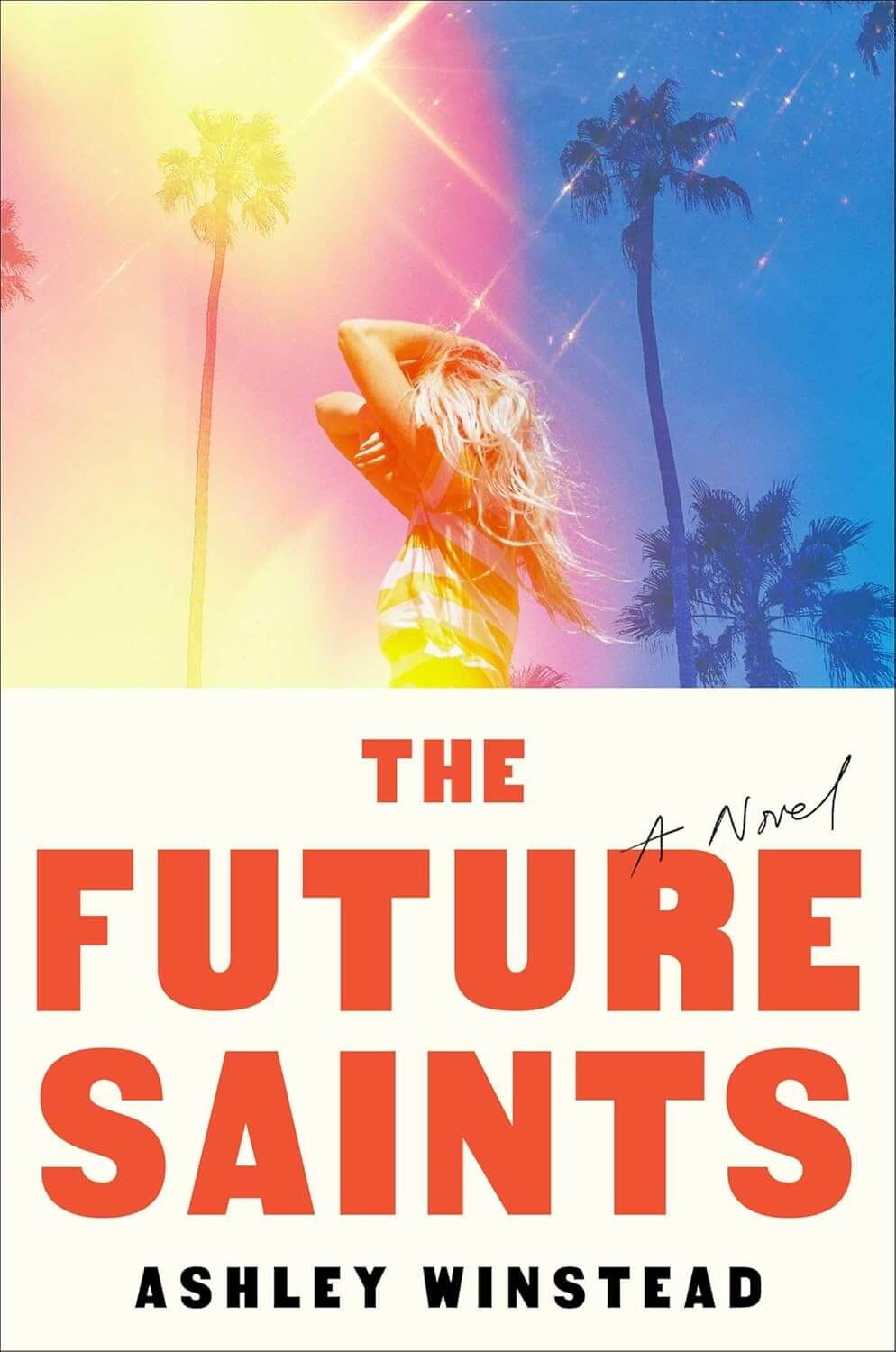
Your two books this year have explored fame and stardom. Did you discover different elements of show business in each of these books?
I would say I definitely explored different facets of show business. In The Future Saints, I focused on the community-building power of fame and celebrity, the intimacy of it, how a stranger can beam their way into your living room and sing or say something that becomes your world, how they can become someone very important to other people they’ve never having met. It’s a book about love and intimacy across vast distances, like the distance between life and death and star and fan.
In Hot Girl Murder Club, I treat celebrity like a superpower; in a celebrity-obsessed world, holding the attention of others is the ultimate currency, and fame is sort of akin to telekinesis, or ESP, or the kind of mind-influencing Paul Atreides is capable of in Dune. I’m obviously having fun with this and being hyperbolic, but since one of the book’s big questions is “How can anything change in a world that isn’t interested in change anymore?” the idea of celebrity as a galvanizing force that can move people to great lengths—to pay $1400 for a concert ticket or stand for hours outside a theater door waiting for an autograph or maybe even get into the streets and hold a sign and yell…it has some weight.
What was exciting about writing a thriller where the main character is the suspected killer rather than the likely victim?
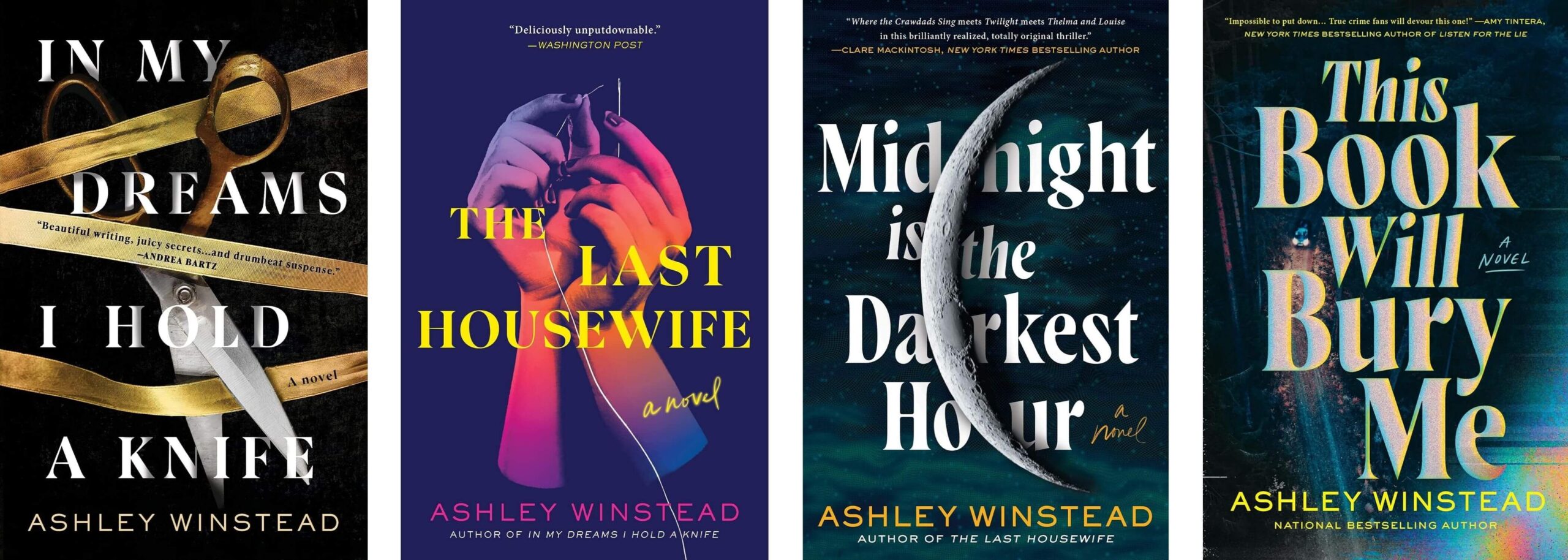
I’ve probably been building to this, since all of my thrillers are, on some level, about my main character’s complicity. In In My Dreams, Jessica slowly starts to wonder if she could’ve killed her friend. In Housewife, Shay can see clearly how her sins have shaped her friends’ tragedies. In Midnight, Ruth gets seduced by the dark side and slowly breaks bad. In Bury Me, the entire book is Jane’s long unfurling confession.
So it was about time I wrote a book in which the main character is unequivocally, with the whole world watching, pointed at and called a killer. It’s probably obvious that I like writing complicated, thorny, layered women, and that I’m less interested in why some stranger, usually a man, has committed some evil, and infinitely more interested in why you or I are drawn to dark and violent things. The former question is the territory of psychologists and usually boils down to genetics and upbringing, but the second question opens answers that are wild and wide and fascinating. Richer stuff for books, in my opinion.
What are you currently reading?
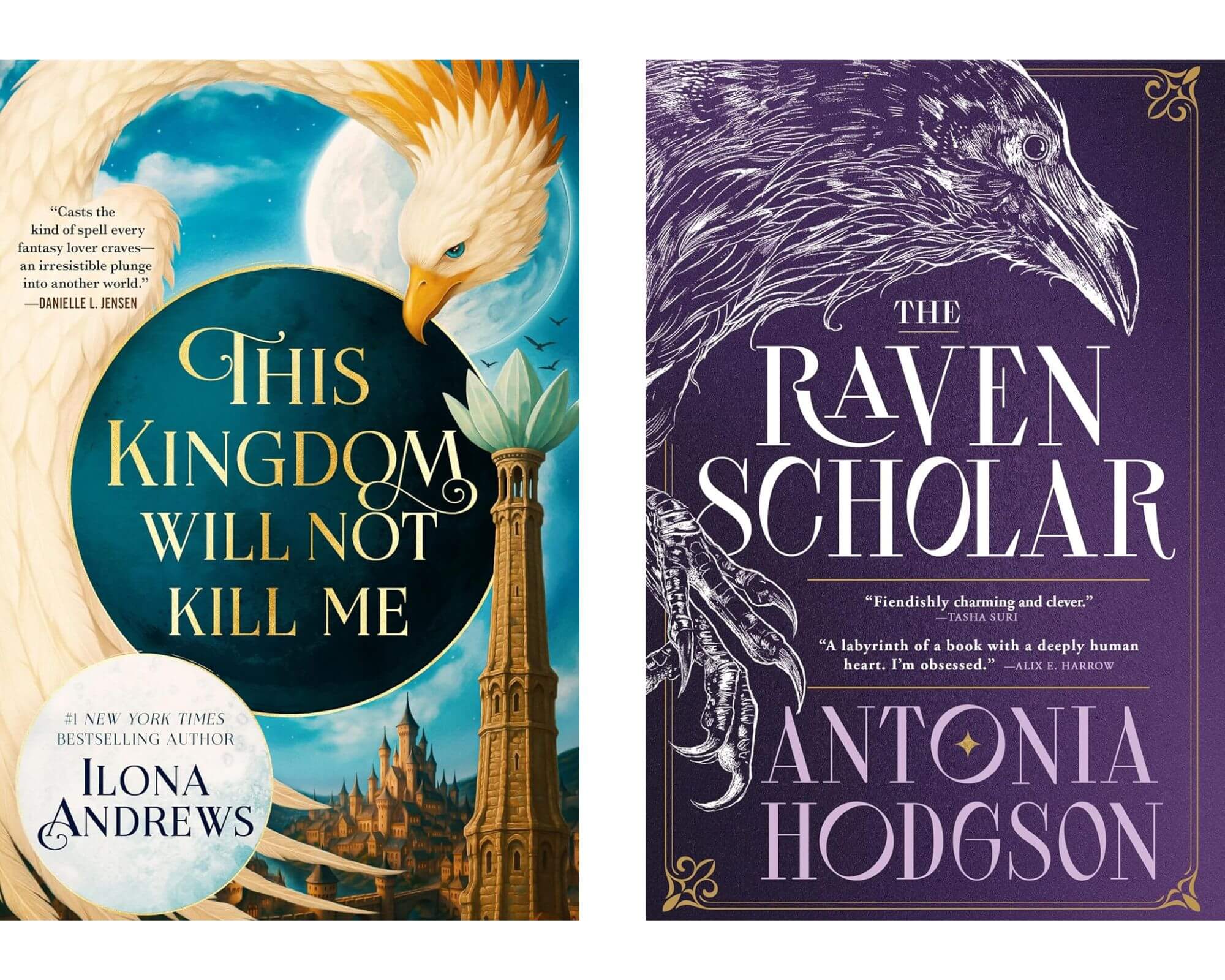
On my personal reading list, outside of the books I’m blurbing, I’ve been on a big fantasy kick. I recently read and loved This Kingdom Will Not Kill Me by Ilona Andrews, whose books I’ve been reading for a decade, and The Raven Scholar by Antonia Hodgson, which has the most incredible voice. I love reading across as many genres as possible, both for the sheer pleasure of it and to learn—there’s so much inspiration and so many craft lessons you can take from reading widely.
What are some thrillers you recommend over and over?
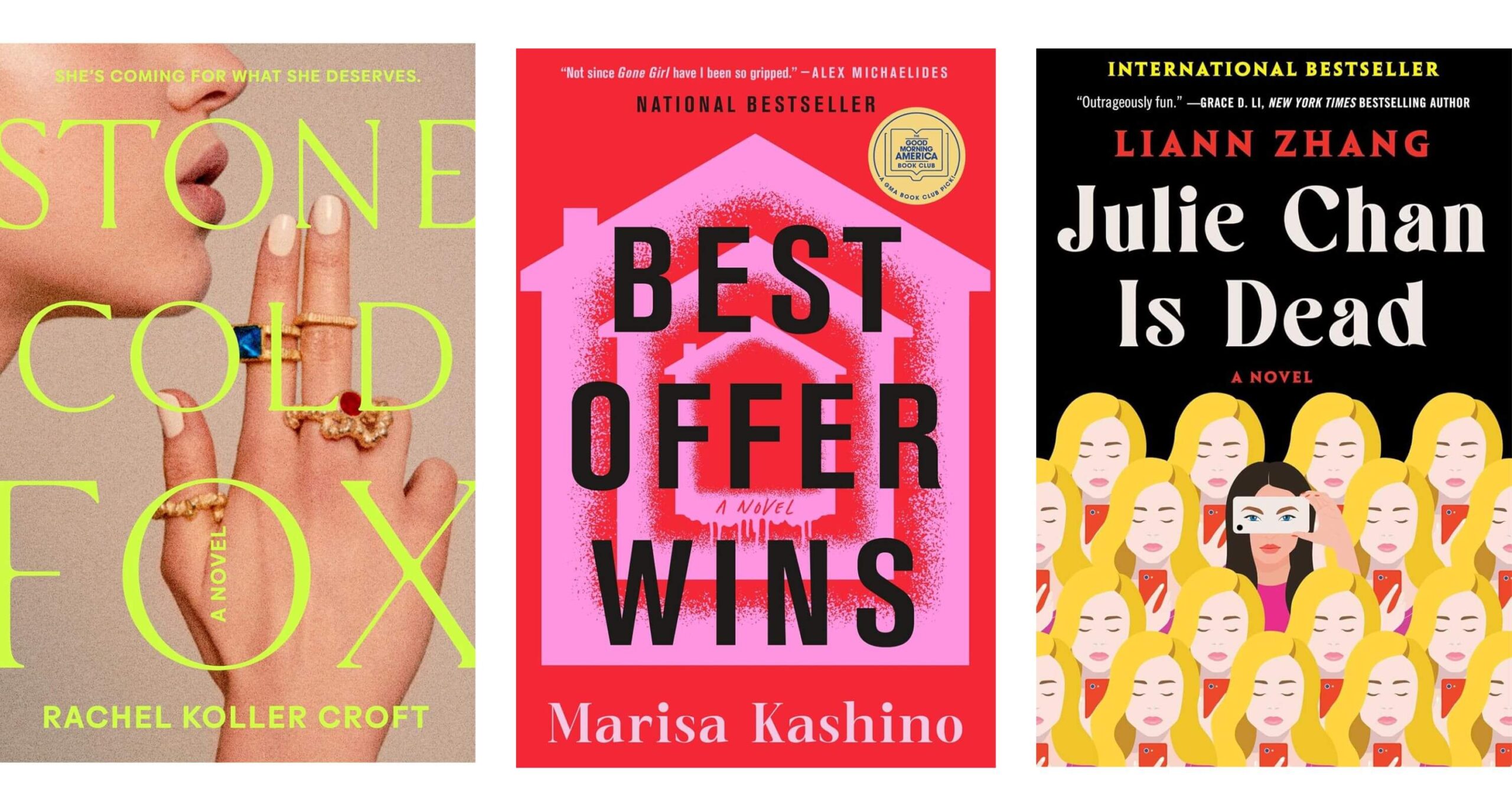
I tend to be really drawn in by voice, so I love thrillers like Amy Tintera’s Listen for the Lie, Rachel Koller Croft’s Stone Cold Fox, Best Offer Wins by Marisa Kashino, Julie Chan is Dead by Liann Zhang. These books are firing on the classic cylinders of mystery writing—introducing as many irresistible questions as soon as possible—but more than that, they’ve got main characters who don’t sound like anyone else. In a crowded field like crime fiction, I think voice is key to standing out.
What books are you looking forward to most in 2026?
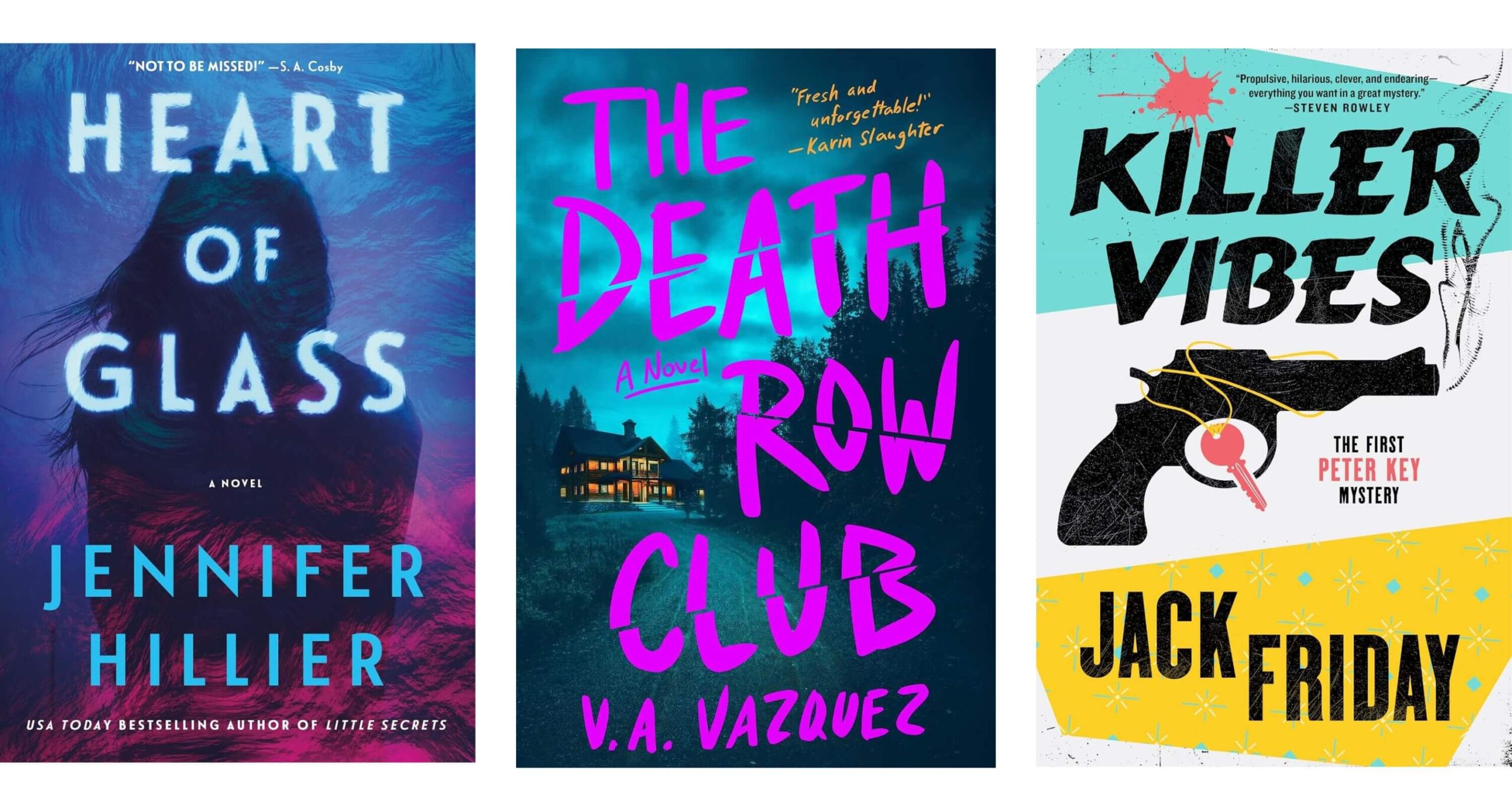
This summer is chock full of incredible thrillers I can’t wait to read (or re-read): Jennifer Hillier’s Heart of Glass, VA Vazquez’s The Death Row Club, and Jack Friday’s Killer Vibes are at the top of that list.
What are you working on next?
Right now I’m up to my elbows in revising a romantic drama tentatively titled Half Lives, scheduled for Summer 2027, and drafting my next thriller, which is too new to even have a working title, scheduled for 2028. And some far-off, distant parts of my brain are, of course, already working on new ideas.
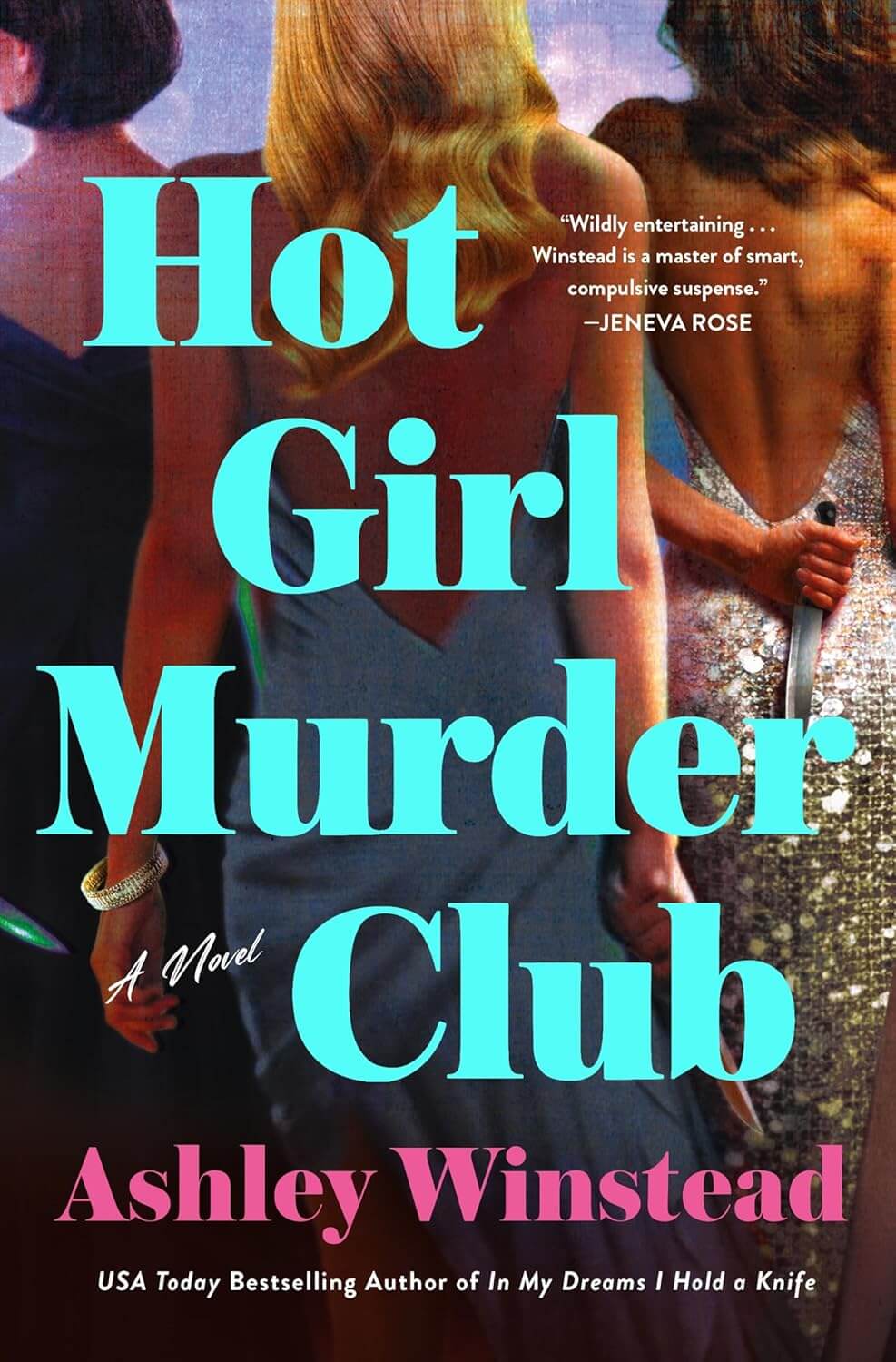 Hot Girl Murder Club by Ashley Winstead
Ten years ago, Georgia Sage mysteriously died at a Hollywood party. Her sister, aspiring actress and singer, Scout Sage, has tried her best in that decade to claw her way to the top in Georgia’s honor. Her life changes massively again when there is a spree of targeted murders across Los Angeles and all clues are pointing to Scout being guilty. Now Scout must find a way to prove she isn’t guilty and protect all that she has worked for. At the same time, the young detective assigned to this case is uncovering secrets, that Scout didn’t know about, about Georgia’s death and a pattern of crimes in Hollywood that have been swept under the rug. Unleashing these acts of terror to the public will create an unstoppable uproar and change Hollywood forever.
Buy the book now: Bookshop.org | Amazon


Leave A Comment