

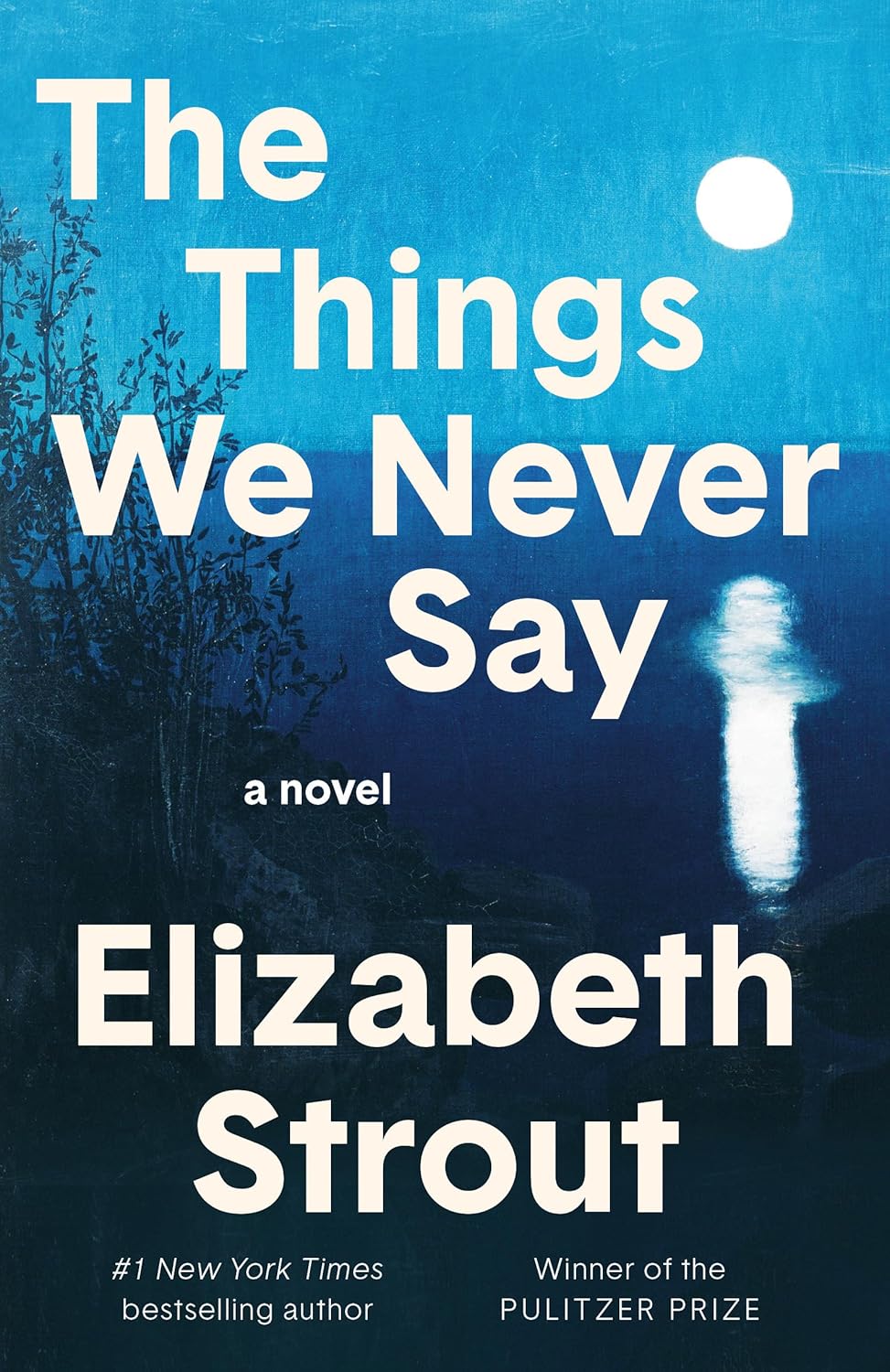
As we celebrate the Epic Summer Reading Issue—officially launching us into the best reading season of the year—we’re thrilled to welcome cover stars who are the absolute top shelf writers of our day. We got the chance to sit down with Pulitzer Prize winning, #1 New York Times bestselling author, Elizabeth Strout as she brings The Things We Never Say to readers. We discuss her beloved new character, writing for the times and the books she always recommends.
Tell us about The Things We Never Say. Where did the first spark of this story begin?
The first spark of Artie Dam came to me a few years ago when an old friend of mine happened to send me a page of obituaries from upstate New York back in the sixties. And one of them was of a fellow with the last name Damm (two m’s) and he just looked so ordinary, so pleasant. I kept looking at his photograph and thinking what was your life? That’s all I remember, but later I wrote Artie Dam (with one m) and I knew he had originally been prompted by that extremely pleasant looking fellow in the obits.
Buy the book now: Bookshop.org | Amazon
Telling a story of loneliness and living in a world gone mad feels very poignant right now. How did our current cultural moment influence this book?
I have always been aware that literature is about time and place. The time in history that one is living through and the place one lives – and then you drop in a character, and you’ll have a story. Artie is a history teacher, and this is his time in history, so it felt essential that I put that all in.
Artie captures a universal feeling of being around people, but feeling isolated. How do you approach writing stories about a quiet feeling that so many can relate to?
I think that most of us have quite an active “inner life” and when that bumps up against the outer world – well, that is what I find interesting to write about. How we think we know people from what they show us, but there is always stuff they are not showing us as well, and so my job as a writer is to excavate that.
The title The Things We Never Say suggests the weight of what goes unspoken between people. What kinds of silences most interest you as a writer?
The silences of what is happening within us interest me as a writer. Often, I think we are not even aware of these silences (as Artie is not aware at the start of the book as to the real reasons he is feeling so alone) but they are there, and we eventually act on them, or feel them. The deep, deep silences and feelings that slowly rise to the surface, this is what interests me.
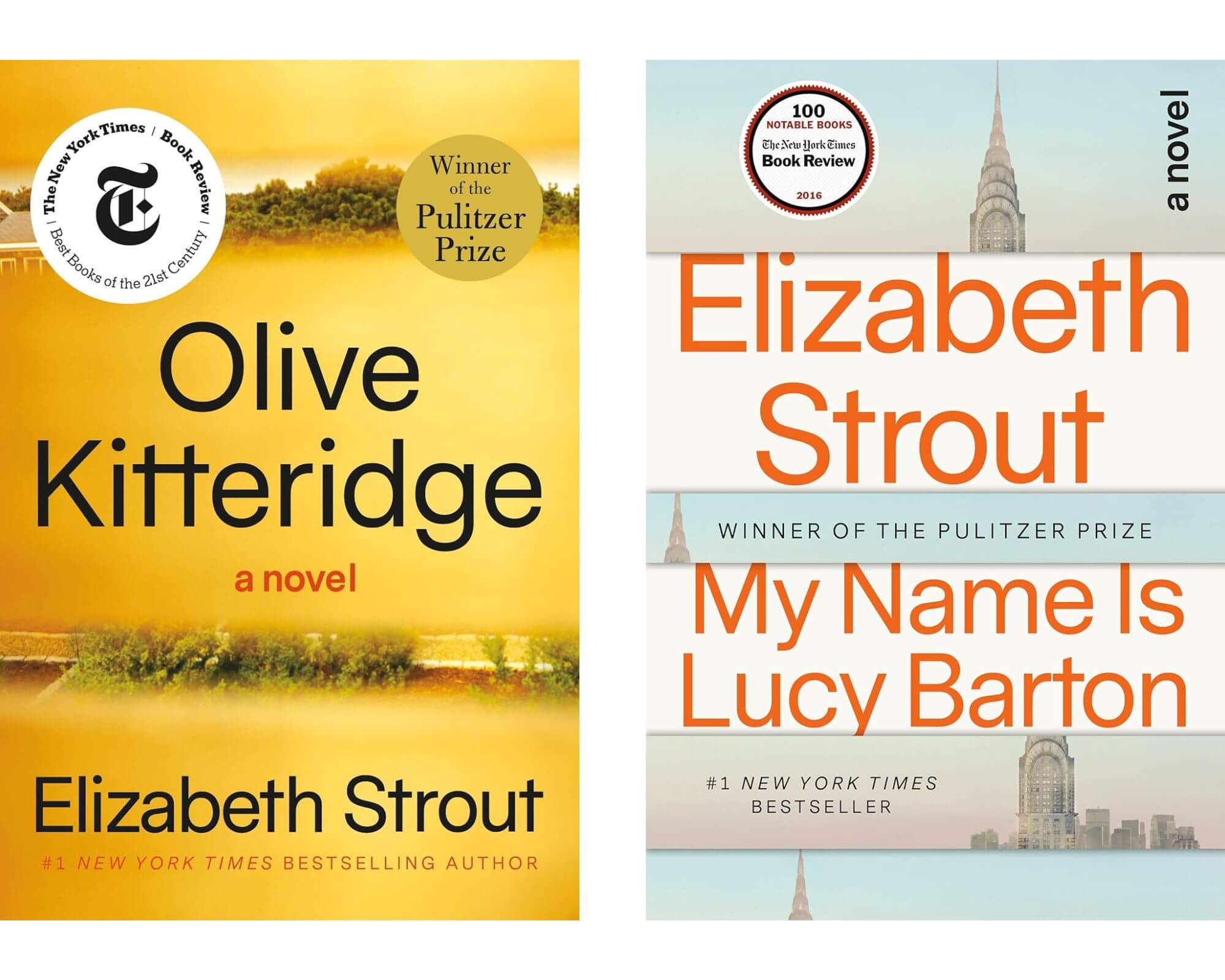
You’re a master of creating beloved, unforgettable characters, from Lucy Barton to Olive Kitteridge. What captured your heart about Artie Dam?
Oh Artie! What captured me about him? I’m not sure, but he is so fundamentally decent, just bumbling along through his life like the rest of us. But he became very close to my heart as I went further into him and his story.
Do you find that you occupy a different headspace when you have a female main character versus a male main character? How does this impact what you explore?
Here is the truth: I have found that writing about a man is not that different from writing about a woman. As I write I am concentrating so hard – concentrating like crazy – on who they are, and if they are a man, they come to me as much as a woman character does.
As we head into summer, do you have a favorite summer reading (or writing) spot?
Probably my favorite summer writing and reading spot is on the couch in my house in Maine.
What travel destinations make you feel most inspired to write?
Once I have a character, I need to have visuals. And so, my husband and I traveled for a few days along the coast of Massachusetts to see where Artie might live. We also went to Illinois a few times, different seasons, to check out Lucy Barton’s background, driving around, noticing how high the soybeans were at a certain time of year. That type of thing. Also, not soon after Artie came into my life, my husband and I went to London for Christmas and in a restaurant, sitting near us, was Artie Dam. It was amazing. There he was with his wife. Only he was wearing dark socks, and my Artie wears white ones. But it was kind of perfect. (We still refer to that restaurant as “Artie’s Place.”)
What are you currently reading?
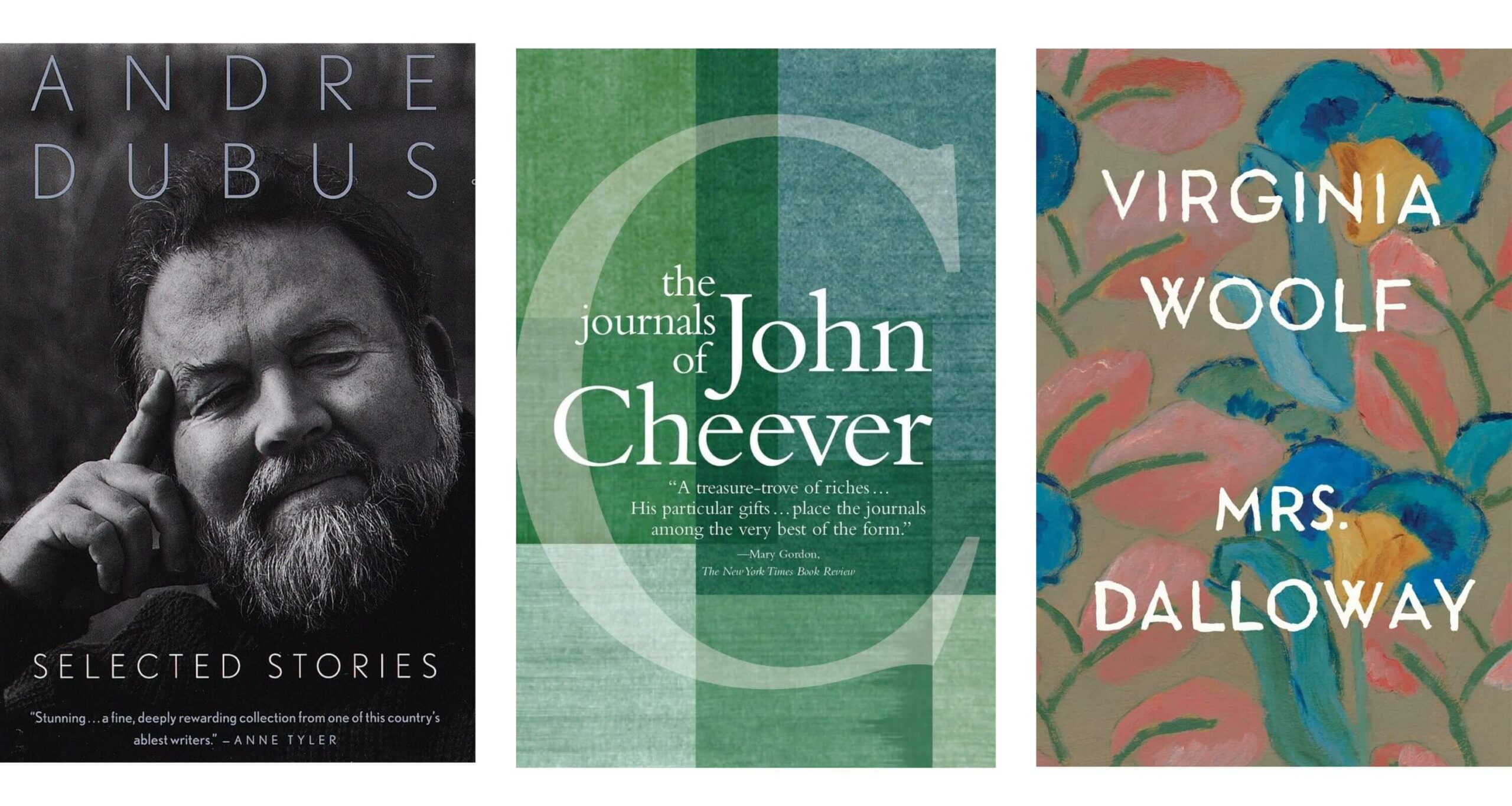
I am currently reading the Selected Stories of Andre Dubus. This is the father of Andre Dubus III (who is also a wonderful writer). I read these stories many years ago, and I am reading them now as though for the first time. They are so good!
What are a few books you find yourself recommending over and over again?
I am always recommending anything written by William Trevor. I find his work to be extraordinary. Lovely and sad and gentle, and he can flip a sentence over in a way that leaves me breathless. I also recommend the Journals of John Cheever. Such honest writing in them. Also, you can never lose, it feels to me, with Virginia Woolf’s Mrs. Dalloway.

What’s a new book releasing in 2026 that you’re excited to pick up?
I can’t wait to get my hands on Colm Toibin’s latest book, The News from Dublin. It came out in March, so I am already overdue with it!
What are you working on next?
I’m so sorry but I can never speak of my current work, only because it is not good for the work itself. Once I talk about it the pressure that I need to build the writing of it seems to dissipate.





Leave A Comment