
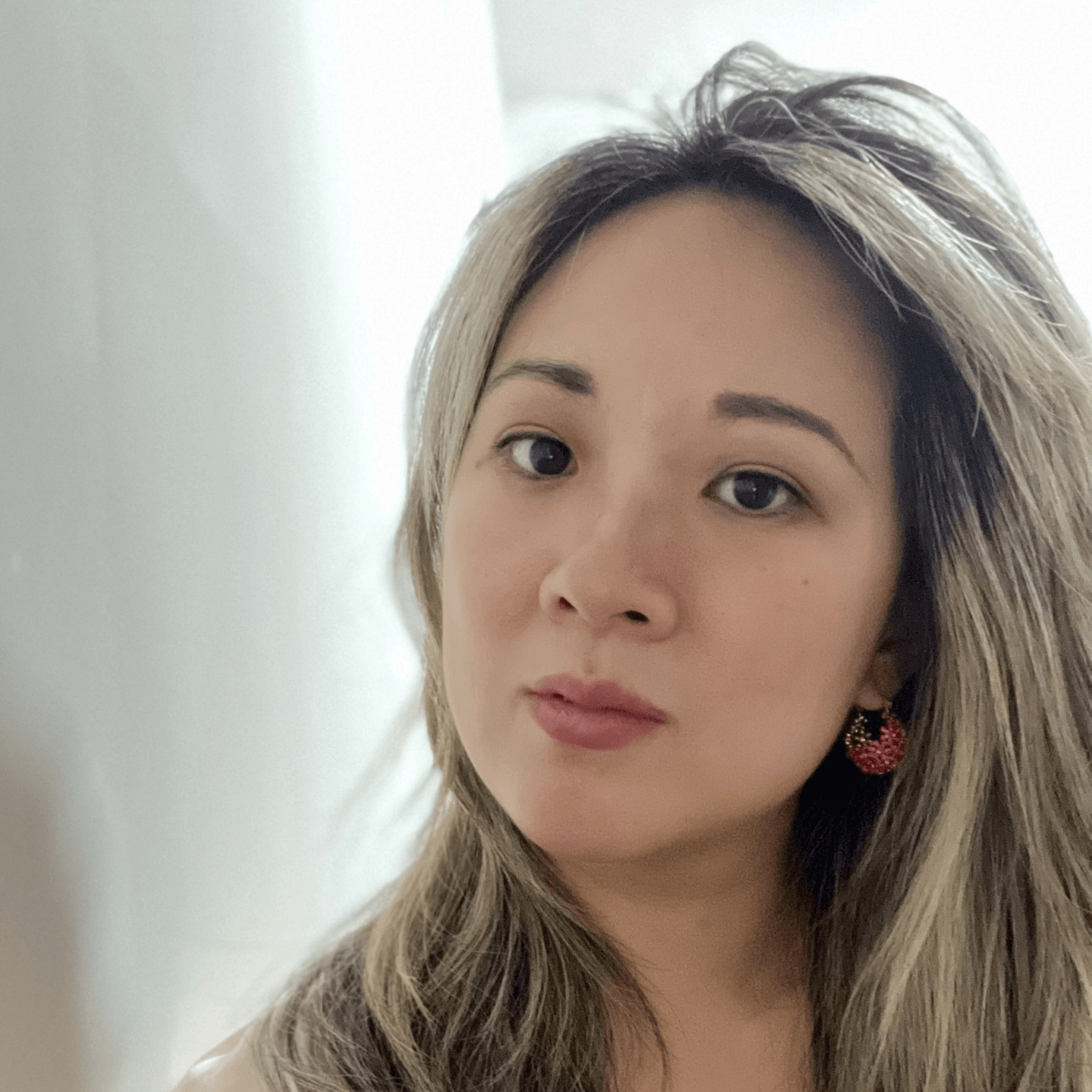
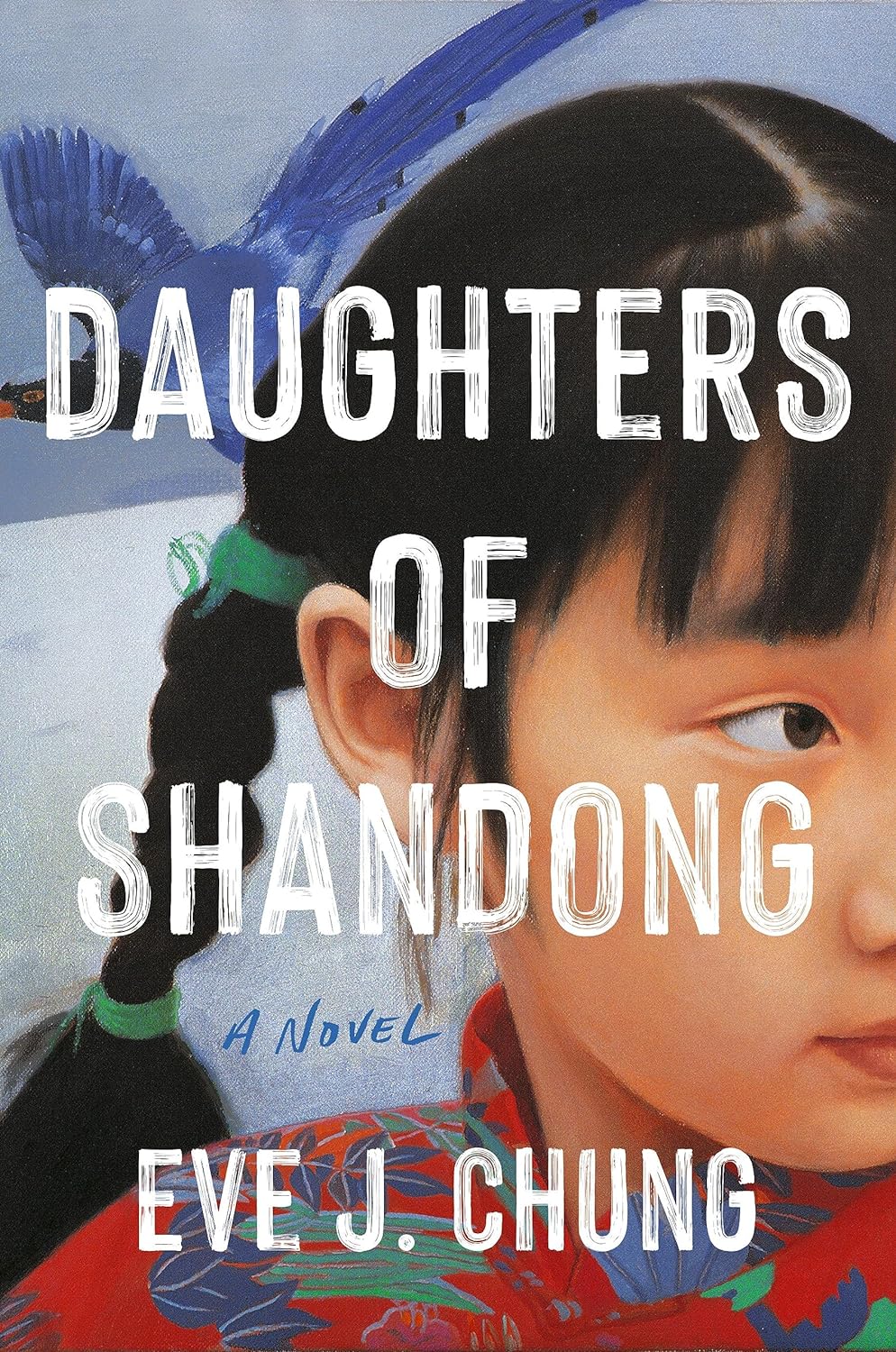
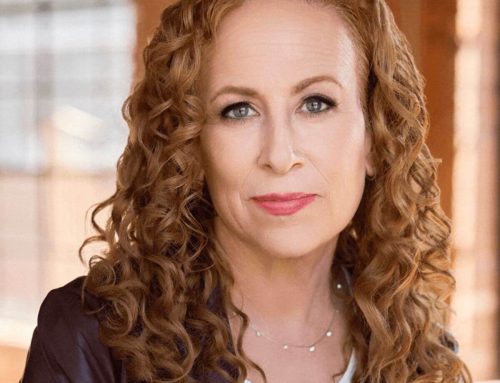
Eve J. Chung captured readers with her breakout historical fiction debut, Daughters of Shandong, a bestseller, GMA Buzz Pick and People Book of the Week. Now she’s back with a new novel, The Young Will Remember, set during the Korean War. As we celebrate The Epic Summer Reading Issue, we were thrilled to catch up with Eve about her new novel, her favorite reads and the exploration of war through women’s eyes.
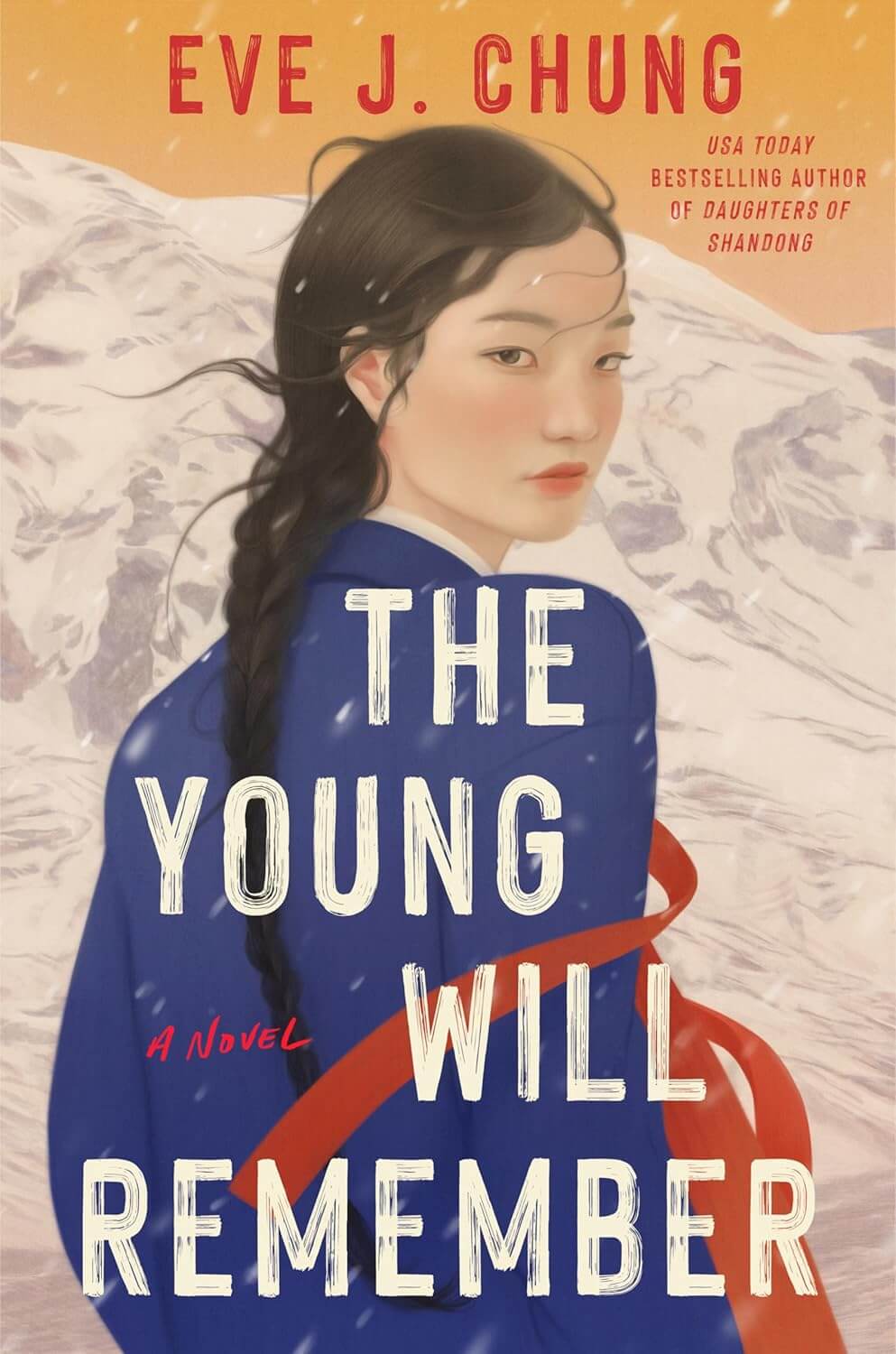
Tell us about The Young Will Remember. What inspired you to focus on this piece of history for the novel?
The Young Will Remember is a book that is very close to my heart because it is about women’s human rights defenders, including ordinary women who find ways to fight back against powerful forces, whether they are social norms, discriminatory laws, or military powers. I wanted to write about women in war—not just how war affects women, but the various roles that women take in war to help the people around them. When the vast majority of journalists and historians used to be men, the contributions of women and girls often fall to the sidelines, so I wanted this book to be centered on theirstories. I chose the Korean War because it is also a period in American history that is not taught much, if at all, in our school curriculum, even though it had major geopolitical impacts which continue to our present day.
Buy the book now: Bookshop.org | Amazon
The Korean War is often referred to as “The Forgotten War”, what challenges did you face bringing this particular conflict front and center?
When I was researching this war, I read that scholars theorize that this war was forgotten because it happened so quickly after World War II, and then was overshadowed by the War in Vietnam. Technically, the Korean War was a “police action” under the auspices of the United Nations. Writing about this war in the context of a novel was very difficult precisely because it isn’t taught much in American schools, so there was a lot of information that I had to introduce to American readers. For example, when writing about World War II in Europe, one can presume that the majority of American readers will already know the countries involved, and there isn’t a need to explain who Hitler and Stalin are. For the Korean War however, I understood that many American readers might not know what the 38th parallel was, or who Kim Il-Sung was, or what roles the US, USSR, and China played. History is connected, so for the purposes of writing a story about women during the Korean War, I also needed to bring in background from World War II in Korea, which in turn requires an understanding of the Japanese occupation. The biggest challenge for me was to provide the reader with the necessary context, without weighing down the actual storytelling.
Your novel brings together characters from very different backgrounds who become bound together by circumstance. What interested you most about exploring the unlikely bonds that can form during war?
I’ve always loved stories about relationships that form across boundaries, whether social, national, or otherwise. One of the things that I appreciate most about New York City, where I live, is the mix of various cultures and religions. There are people whose countries of origin might be at war with one another, but here their kids play together at school; they eat each other’s food, celebrate each other’s holidays, and form communities around common interests. Like my main character Ellie, I consider myself a person between worlds, and hope that we can emphasize our common humanity, so for this reason I wanted to write about women in a war who become close friends, bordering on family. I also wanted to focus on the universality of motherhood. What binds Ellie and Emma at first is Emma’s understanding that there is a mother out there, like her, who is worried about her daughter—and that she too hopes that somewhere, someone else is helping her own daughter. Emma ultimately takes the daughter of an “enemy” and accepts her as her own, and Ellie returns that affection by taking Emma’s mission on as her own.
This book also explores the connection between mothers and daughters. So often, stories about war center around men. How do you think war through women’s eyes changes the way we see these parts of our history?
I centered this story on motherhood in war because most mothers, everywhere, will prefer a diplomatic solution to conflict than having to send their children into battle. Such diplomatic solutions are possible, and I am often frustrated by leaders, in every region, who decide that they are willing to wager the lives of soldiers—as if each soldier is not a world—especially when said leaders are often safe in bunkers, with their own families abroad, and their own children far away from the front lines. Women don’t just suffer through wars, they also fight them, militarily and also through support to the war effort. Women are also important advocates for peace. And yet, women are still often excluded from the decision-making processes relating to war and reconciliation afterwards. This has to change, and I hope that with advocacy and increased political participation for women at all levels, that it can.
You’ve spoken about how the novel was inspired in part by your grandfather-in-law’s flight from Communist North Korea. How did that personal history shape the story you wanted to tell?
I was interested in writing about the Korean War because my husband’s grandparents are from Korea, and met in a refugee camp during the Korean war. My husband’s grandfather was born and raised in Pyongyang, and was a Pastor who was educated in many languages—he spoke Japanese fluently since that was the mandatory language of the occupation, but also knew some Chinese, since many Korean scholars also learned Chinese writing. He learned some English from Christian communities in Korea, which is why I included part of the history of Christianity in North Korea in my book. The fictional character, Pastor Pak, is somewhat inspired by him, and some of the stories and descriptions in my book were taken from interviewing my mother-in-law about her early childhood in Seoul, and what her parents had told her. For example, there is a reference in my book to a girl who was hung upside down and had hot sauce smeared into her nose because she refused to bow towards Tokyo during the Japanese occupation; this happened to my husband’s grandmother’s classmate.
Your background as a human rights lawyer working in international conflict zones also informs the novel. How did those experiences influence the way you approached writing about war?
I have never stayed in any conflict zone for a very long time, and the ones that I went to were not in active conflict when I was there. However, I have interviewed refugees and survivors of war, and also have friends in war zones who shared video footage with me. Much of Emma’s story line is based on my interviews with family members of victims of enforced disappearances, many of whom spend their entire lives wondering what happened to their loved ones. When we think of victims of violations, it is important to remember that they go beyond the individual—that entire communities are hurt when each person suffers. There are many in the international human rights community right now who feel frustrated, devastated, and angry, having witnessed so much man-made suffering, which leaders often try to justify by dehumanizing “the enemy.” For me personally, I have channeled all of those emotions into this book, and hope that it can help underscore how awful war is, and how important it is to do everything we can to prevent it and stop it.
What are some of your favorite historical fiction reads—both ones you recommend all the time and maybe a couple you’re looking forward to reading this year?
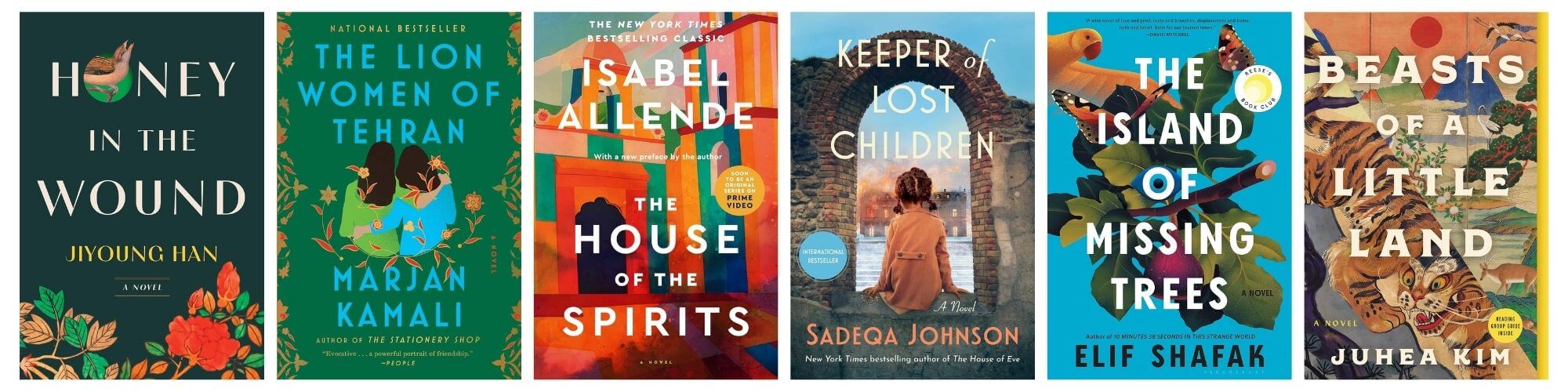
Generally, I love Isabel Allende’s work, and Elif Shafak. Some fairly recent reads that I loved include The Lion Women of Tehran by Marjan Kamali, Beasts of a Little Land by Juhea Kim, and Honey in the Wound by Jiyoung Han. One that I have not read yet, but am excited to read, is Keeper of Lost Children by Sadeqa Johnson.
As we’re headed into summer, what is your perfect summer reading (or writing) setting?
Since I live in a big city, I’ll take any opportunity to be close to nature. Anything where I can see a lot of green helps! My parents live in Washington State, in a fairly rural area. I started writing my first book, Daughters of Shandong, when I was there, surrounded by a Cedar forest. I always find that being there is a good way to make progress on whatever I’m working on.
What are a few things you pack in your summer beach bag?
If I’m traveling, I will always have my laptop with me. Otherwise, my bag is essentially for my kids, so I will always have snacks, and some kind of kid entertainment. I really like those sticker books that allow you to paint a picture using sticker dots. Since my son is old enough to read, I usually have something by Dav Pilkey for him!
If you could go on a summer vacation with any author, who would it be?
This is a tough question! It might have to be Sam Chong (whose book Prodigal Tiger just came out), and Talia Tucker (author of Rules for Rule Breaking and Solo Stan), who were my earliest writing buddies when I was working on my second book, and provided much needed moral support and comedic relief.
If you could go on any summer vacation for “book inspiration” where would you go right now?
I’ve been working on this book, on and off, about women at sea, so it would be great if I could tag along on a deep-sea fishing vessel somewhere in the Pacific. This would be more of a research mission though, so for an actual vacation, maybe somewhere like Fiji or Hawaii (where I could relax but also do some research!).
What are you working on next?
I am working on multiple stories, including another historical fiction about the Chinese diaspora in the late 1800s, as well as a contemporary story that is about immigration, family, and community, with a paranormal twist. I hope to be able to share more about them soon!

Leave A Comment