
Jodi Picoult is the #1 New York Times bestselling author of thirty novels, including By Any Other Name, Mad Honey (co-authored with Jennifer Finney Boylan), Wish You Were Here, The Book of Two Ways, A Spark of Light, Small Great Things, Leaving Time, and My Sister’s Keeper, and, with daughter Samantha van Leer, two young adult novels, Between the Lines and Off the Page. Her 30th novel, Hollow Bones, will publish on September 15, 2026. She lives in New Hampshire with her husband.
Tell us about Hollow Bones. What inspired this particular story?
JP: Molly Fitzgerald was 2 months old when her mother went to a doctor’s appt on 9/11 and never came home. 25 years later, she is married to Jesse Fitzgerald – the brother from My Sister’s Keeper, all grown up. They’re expecting their first child. Molly is the director of emergency preparedness for the state of RI, trying to keep others from experiencing the kind of catastrophe she did as a kid. But disasters have a way of happening, and when one happens close to home, Molly learns that you can prepare for anything – except what you never see coming.
The origin story of Hollow Bones began when an author friend of mine sent me a post from Postsecret. Postsecret used to be a Tumblr blog, then it was a website…now it’s an Instagram handle. People send in postcards with their deepest, darkest secrets, and they get published anonymously. This particular post had a picture of the Twin Towers with smoke behind them. At the bottom, it read: everyone who knew me before 9/11 thinks that I’m dead. I couldn’t stop thinking about it. I kept wondering who would use a tragedy of that magnitude to disappear…and more interestingly, what might make them come back. Ultimately, that’s what led to the novel.
This book is connected to 9/11. How did it feel tying characters and plot to this tremendously significant event in history?
JP: It felt right. It’s the 25th anniversary of 9/11 this September, and it felt gratifying to revisit the experience through the eyes of an individual whose life was deeply impacted by the tragedy. There are so many families who are still waiting, after all this time, for remains of their loved one to be identified, which is heartbreaking. 9/11 was also the last time that the whole world stood with America in the wake of a crisis – this country and the feelings it inspires worldwide are very different now, and that goodwill (and the reasons for its loss) are worth remembering as well. Moreover, if you were alive on 9/11, you know exactly where you were when the planes hit the Twin Towers. In that sense, every reader is bringing his or her own story to the novel, too.
The main character Molly lost her mother in the tragedy at only two months old and now her life revolves around preparing for disasters. What was it like to explore the world through the eyes of someone who thinks in this way?
JP: I think in many ways, lots of us are always waiting for the other shoe to drop. I sometimes think that when I write about something devastating, it’s a superstitious protection against that happening to me or a loved one in real life – although that clearly isn’t true. Molly has that feeling all the time, but on steroids. It made complete sense to me that someone who lost her mom in 9/11 would do anything and everything to keep from having to experience that feeling again – or to protect others from feeling it too.
What did you have to research about the world of preparedness that surprised you?
JP: I shadowed Alysia Mihalakos, the actual director of emergency preparedness for the state of Rhode Island. She has done everything from the entire COVID vaccine rollout to evacuating seniors from nursing homes when there’s a blizzard, to figuring out how to move a six-hundred-pound man when he got too big in his care home and couldn’t fit through the doorways anymore. What surprised me the most is that the things we take for granted are exactly the things that Alysia has to think about. For example, she has a plan for evacuating a hospital neonatal NICU. If you’ve ever walked through one, you see infants in those little heated isolettes – hooked up to tubes and wires, some literally with organs still outside their bodies as they develop pre-surgery – there is no way that babies that small and compromised would survive an emergency evacuation. How do you get them down five flights of stairs when the power is out? How do you transport them in a van without disturbing their medical care? Do the parents deserve the right to not allow the neonate to be moved in those circumstances, knowing that they will likely be harmed (maybe fatally) in the transit? These are terrible, terrible things that you and I don’t think about – but Alysia (and Molly!) do.
The story is described as an exploration of the lies we tell ourselves. After exploring so many characters in so many circumstances, do you think all people lie to themselves in some way or another?
JP: I know we do. 60 percent of people can’t go ten minutes without lying. We lie for reassurance, self preservation, compassion. The more you lie, the bigger the lies get. And the more you lie, the easier it gets to lie, because you can convince yourself.
If often explored the dynamics between mothers and daughters. How does losing a mother before memory change a daughter versus the struggle (and joy) of a life long relationship?
JP: I think the book does a really good job of explaining the difference between the two. It’s a lot harder to lose someone you know, versus someone you’ve only imagined. The loss is more concrete.
You’ve tackled so many difficult subjects in your novels over the years. What challenged you about this one?
JP: There is a lot in this novel about gender discrimination in health care – particularly how postpartum mental health care is severely lacking in this country and what risks that poses for women and children. 1 in 500 women suffer from postpartum psychosis. It is defined as a mood episode with psychotic elements: paranoia, auditory hallucinations, and who suffer from PPP can hurt themselves or their children. Untreated PPP leads to a 4 percent chance of infanticide and a 5 percent chance of suicide. A person who has PPP believes that the only way to save herself, and her child, is through death. Although this clearly is a medical emergency, it is not listed in the DSM-V as its own diagnosis. What makes it particularly difficult from both a medical and a legal standpoint is that a woman with PPP may seem completely normal and competent one moment, and psychotic the next.
When I was researching this, I received – out of the blue – a woman in jail awaiting trial for the altruistic homicide of her child while she was suffering from postpartum psychosis. Joelle (not her real name) asked me to be her voice. I know this book will raise a lot of awareness about postpartum mental health, and I’m glad for that. I just hope I did Joelle justice.
Which of your novels do readers come up to talk to you about the most?
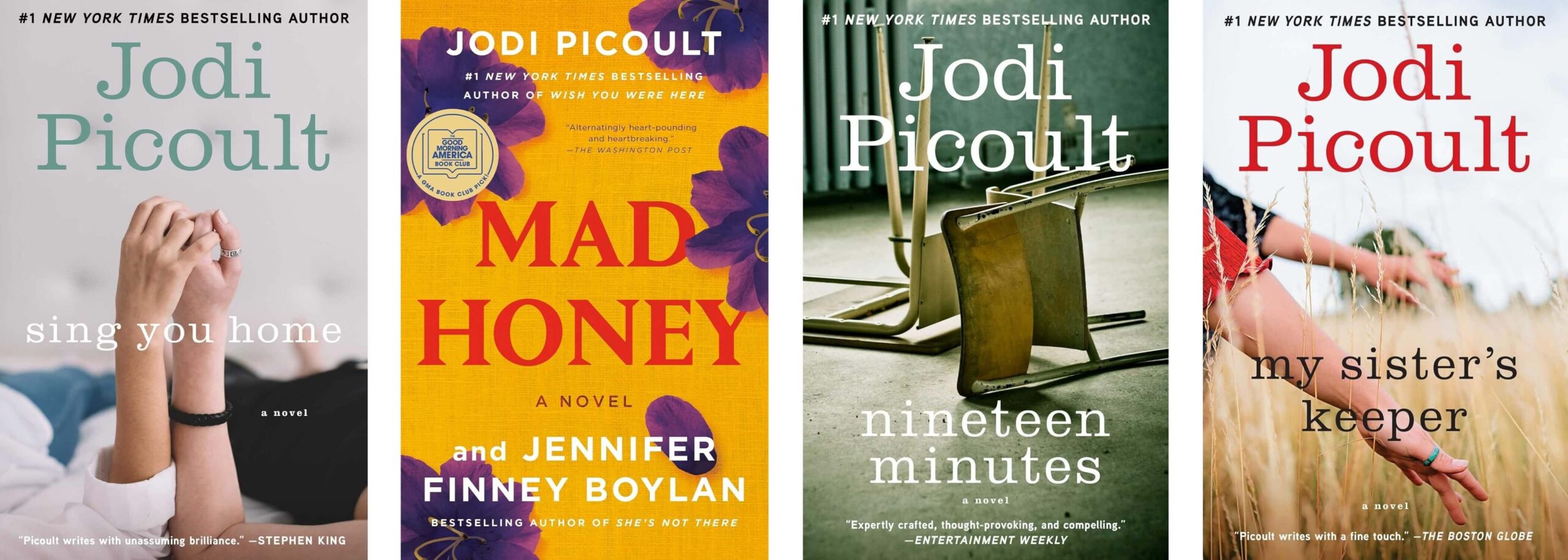
JP: Honestly? All of them! So many people have shared stories with me about how my books have impacted their lives – from the books they read with a parent who’s now passed, to Sing You Home or Mad Honey being used to come out as LGBTQ to their families, to teen readers who reconsidered an act of school violence after reading a book like Nineteen Minutes. I will say that My Sister’s Keeper is always a fan favorite, so I’m very excited to bring Jesse Fitzgerald back in Hollow Bones, all grown up.
If you could have lunch with any character from any of your novels, who would you choose and why?
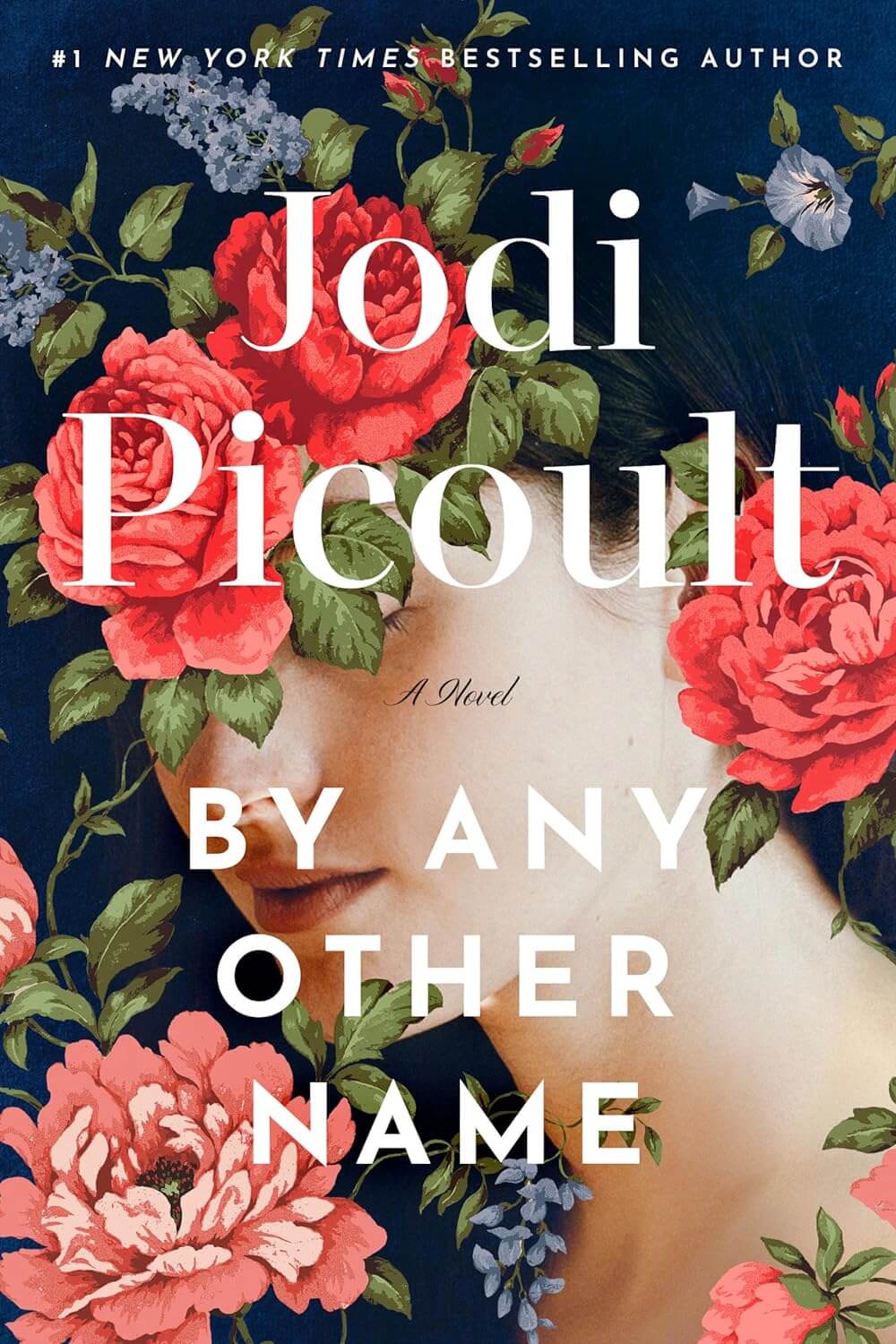
JP: Emilia Bassano from By Any Other Name. I’d ask her if I was right – if she wrote some of the plays attributed to Shakespeare. (Spoiler alert: I am.)
What are a few books you recommend over and over?
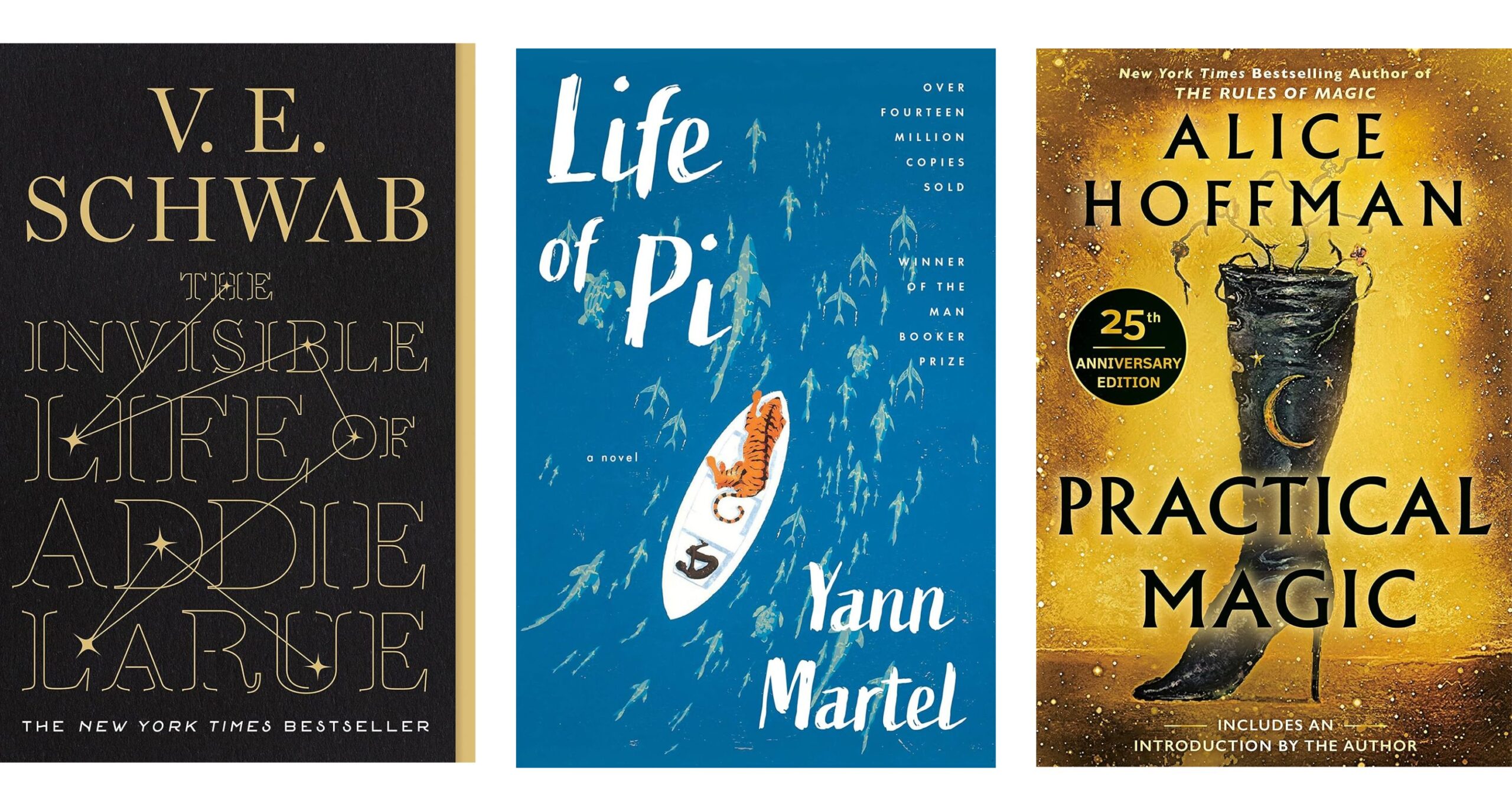
JP: The Invisible Life of Addie LaRue, The Life of Pi, anything by Alice Hoffman.
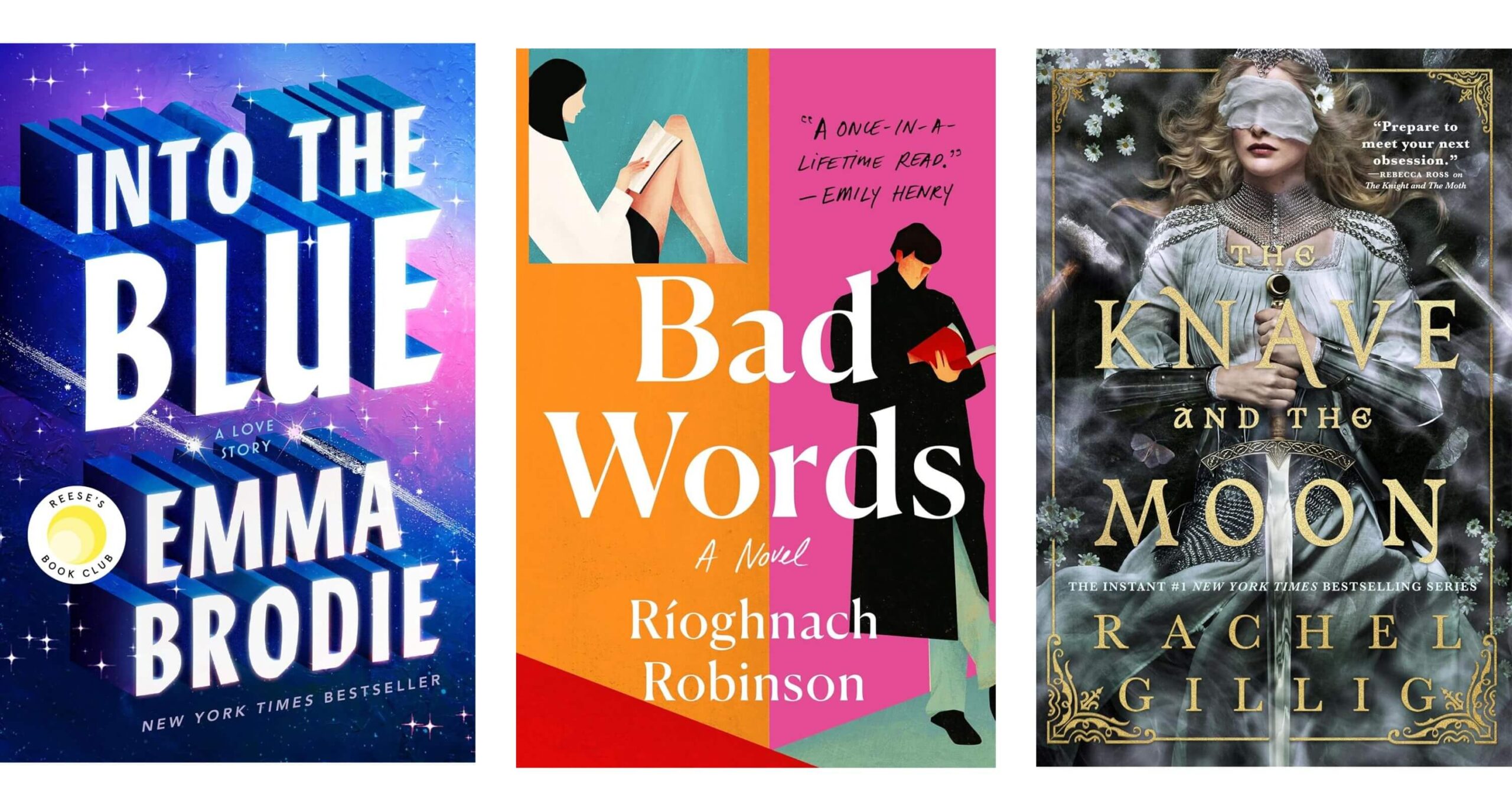
What are some of your favorite new books from this year (that have released or are coming out soon)?
JP: Into the Blue by Emma Brodie; Bad Words by Rioghnach Robinson, and The Knave and the Moon by Rachel Gillig.
What are you working on next?
JP: My 2028 book will be about AI.
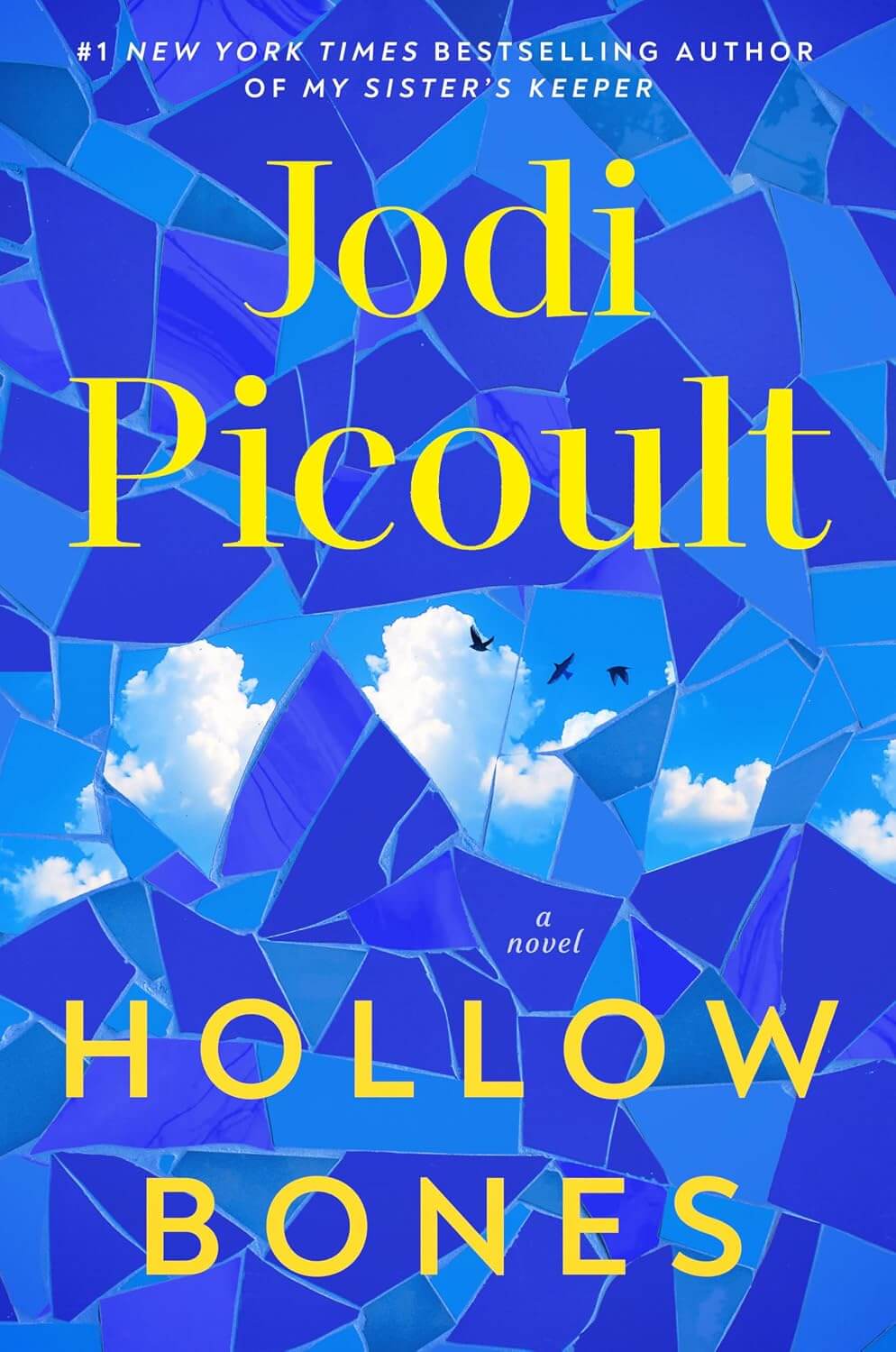 Hollow Bones by Jodi Picoult
Molly Fitzgerald has a healthy but apparent fear of disasters. When she was just two months old, her mom attended a meeting in the World Trade Center on September 11th and never made it home. Now as an adult, Molly is in charge of the Rhode Island Department for Emergency Preparedness, helping plan for storms, epidemics, and airplane crashes. Her husband, Jesse, has experienced his own traumatic past allowing the couple to build a relationship to weather the storms of life. They can’t plan for everything though so an unexpected event threatens their marriage and their future.
Buy the book now: Bookshop.org | Amazon

Leave A Comment