
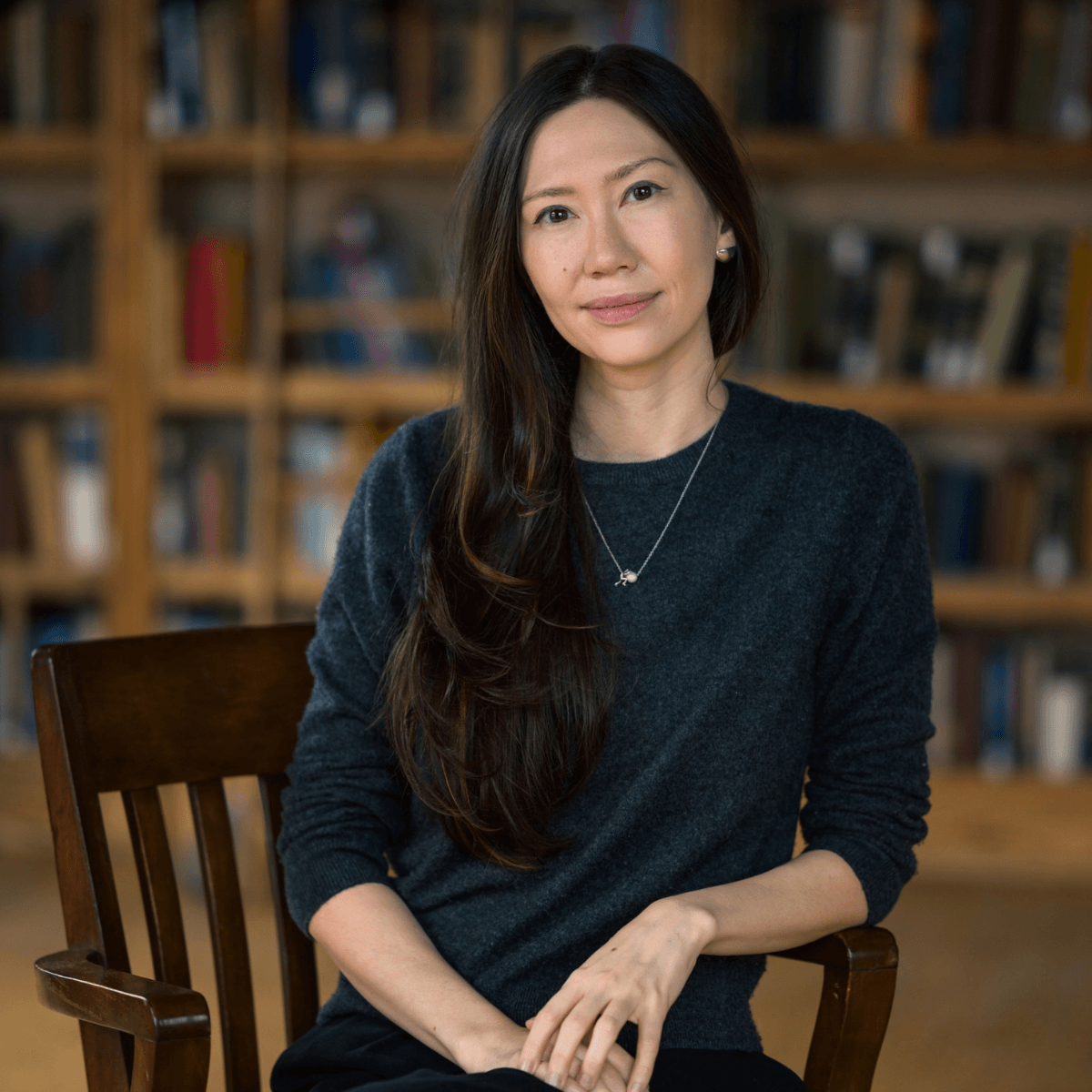
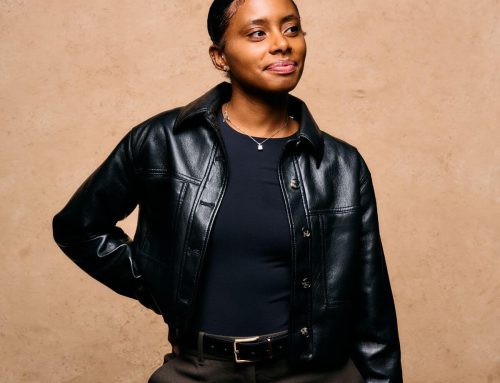
Ríoghnach (pronounced ree-uh-nock) Robinson grew up in North Carolina, studied economics at Kenyon College, and now lives in New York City. Her books for young readers, including Lambda Award winner Come Home to My Heart, are published under the pen name Riley Redgate. She has also written for WEBTOON and The Onion, America’s Finest News Source. You can find her on Instagram at @rioghnachrobinson. Bad Words is her first adult novel.
We love a bookish book! Tell us what inspired Bad Words?
Bad Words didn’t have a single moment of inspiration! It sort of congealed over many years in book publishing, and I shaped it around a lot of elements I find fun to write and think about. I love a frightening critic character, and I love two characters in diametric opposition being forced to reevaluate each other. I also think it’s an underdiscussed and bonkers fact that the quiet agreement of professional criticism is that, someday, you will become the sworn enemy of somebody in your very small artistic industry, because you can’t like every book.
This is a romance, but it’s also a novel about art, criticism, and ambition. Which story came to you first: the love story or the questions about what it means to create?
The love story was always the engine of the book to me! The book is interested in art and criticism because its characters are interested in art and criticism — these are some of their preoccupations, sure, but my preoccupation was how their feelings would change, slowly, painfully, to love.
This is such a brilliant “enemies-to-lovers” setup. What do you love about this trope?
So much! I love any kind of unlearning arc, because these kinds of stories force characters to confront hard truths (about their own ignorance, the kind of person they want to be, the future they see for themselves, etc.). And with an enemies-to-lovers framework, there’s so much dramatic substance to fill out a romance, so much possibility for high emotion and varied feeling.
As a novelist, do you think criticism has more power than we sometimes acknowledge?
I’ve gone back and forth on this question! I think criticism has a lot of rightfully acknowledged power: It seems clear that, for instance, a rave in the New York Times can powerfully affect an artist, in both a social and financial way. It also seems clear that outside traditional media institutions, a reviewer with hundreds of thousands of followers on social media has a similar power to make or break a book’s fortunes, and an author’s reputation. Critics of all stripes can shape perception on a mass scale; this feels self-evidently powerful. At the same time!! Critics are up against so much these days. I wonder if thoughtful critics’ struggle to make a living, to capture the attention of an accelerating world, to fight algorithms that reinforce inattention and despise nuance — I wonder if that’s the more broadly unacknowledged thing.
Readers at She Reads have a particular soft spot for novels set in the literary world. Why do you think stories about writers, readers, and critics continue to resonate?
I think any piece of art about its own medium has an advantage. By which I mean, books about the written word hit because they can show you, in practice, right there on the page, the thing they’re idolizing — that heady transmission of idea and feeling. I feel the same way about movies about movies. They’re at an advantage: what better way to show off the powers of cinema than a really incredible movie guiding your attention to the powers of the visual medium! The flipside is that these kinds of works risk being painfully self-indulgent, haha. But that’s what we get for writing what we know.
What conversations about publishing did you hope readers would come away thinking about?
The takeaway question is always tough for me because when I’m writing, I’m trying never to think about Message. I’m trying never to think about controlling reader response or inducing a certain reaction (outside I guess acute moments of feeling). But I can say that the book is interested in how we resize and reshape and misrepresent ourselves in different written formats and social contexts. In the book is the idea that we can’t ever be totally represented, but there are versions of yourself that are more or less true — and arenas where you’re behaving in ways that speak more or less to your values and your humanity. I think you can shuttle this idea into discussions of criticism, of publishing, of family life, and of social media, and hopefully if people do talk about it, it is fun and interesting to discuss!
Was social media discourse something you consciously wanted to explore? Or did it come about organically?
I did not set out to write a social media book! But I think it’d be very difficult to write this concept and ignore social media at the moment. Social media does also provide a useful Greek chorus for the book.
Emily Henry calls Bad Words “the rare kind of book I can’t believe doesn’t already exist” and says it left her “buzzing.” What was your reaction when you first read her blurb?
Overwhelm, and overwhelming gratitude. I’ve read every Emily Henry book, several of them multiple times. People We Meet on Vacation is my contemporary romance sacred text (or do I pick Funny Story?? Or Beach Read?? Or–etc). We are so lucky to be alive at the same time that she’s writing. And to have her words on the cover of Bad Words is a total honor.
What’s the best book you’ve read this year?
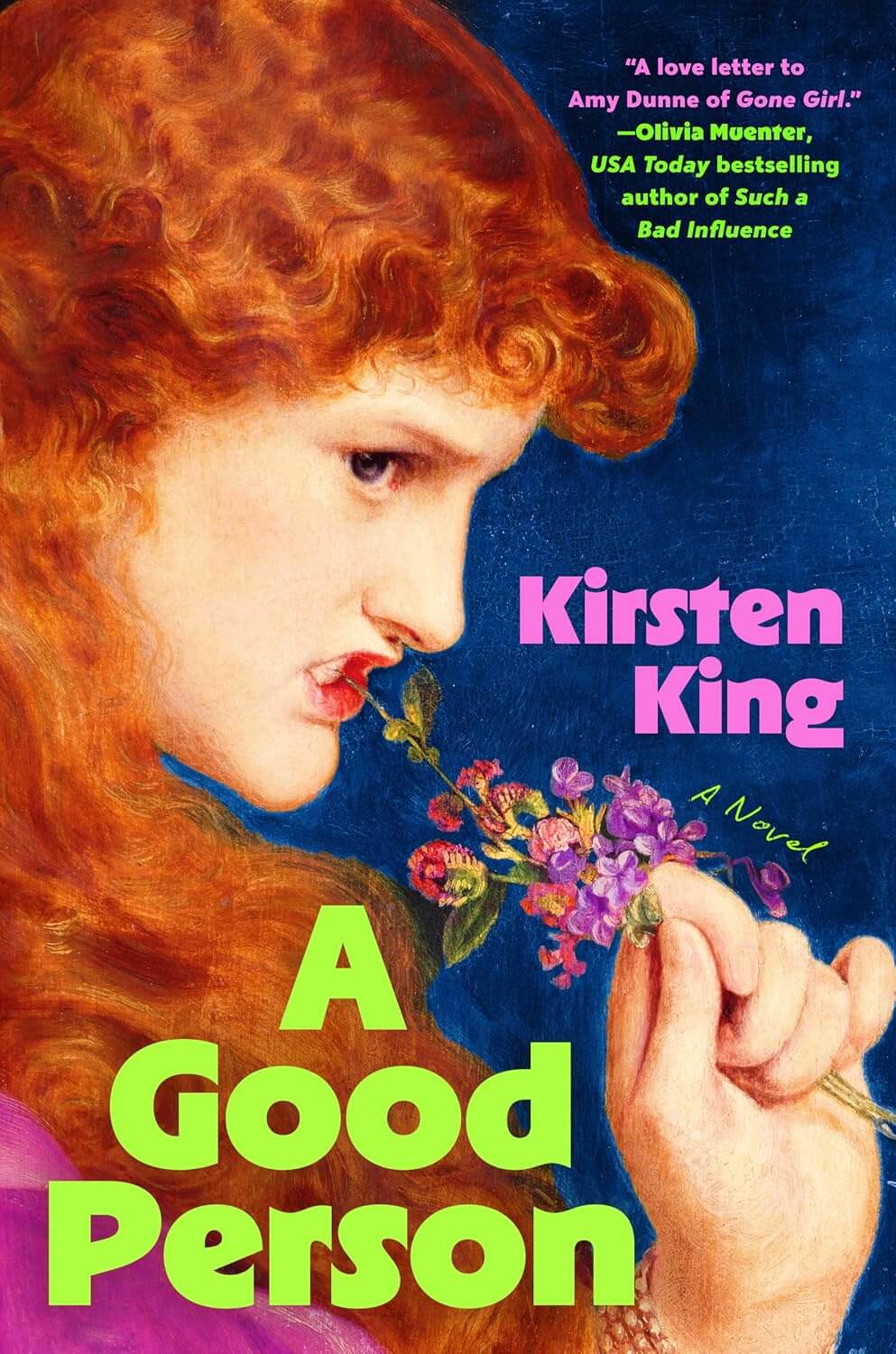
A Good Person by Kirsten King. The concept: Lillian, our narrator, drunkenly casts an internet hex on her scumbag ex-situationship and wakes up to find him actually dead. I will never forget Lillian. She’s abrasive and scandalizing, narcissistic and hilarious, a little monstrous and a little childlike, as frightening as she is pathos-inducing. This book is wound so tight. It’s so efficient, but feels playful and conversational. It’s great satire. It has the ending of the year. It’s magic.
What are books you read over and over again?
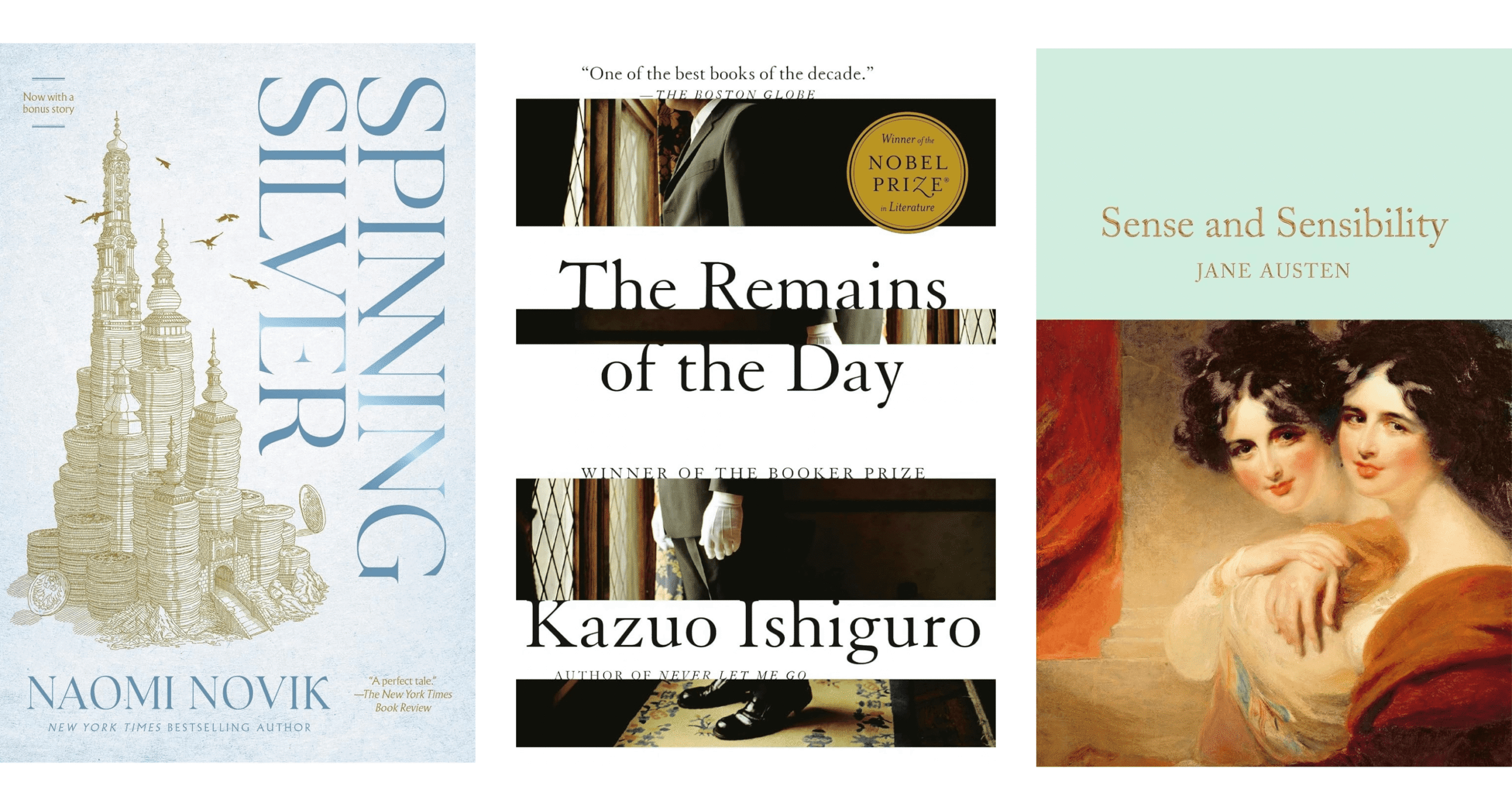
To pick just a few — Spinning Silver, The Remains of the Day, Sense & Sensibility.
What is your favorite fall setting?
The fall foliage at my alma mater, Kenyon College, is criminally gorgeous!
What are you working on next?
My next book is a YA novel out next summer from Union Square Books/Hachette called Close-Up On His Face. It’s a satire set in an alternate present where corporations and universities can buy ad space on people’s skin in the form of glowing tattoos. Once it’s fully wrapped, I need to get back to work on my next book for St. Martin’s — I can’t say much, but it will be in the same vein as Bad Words!
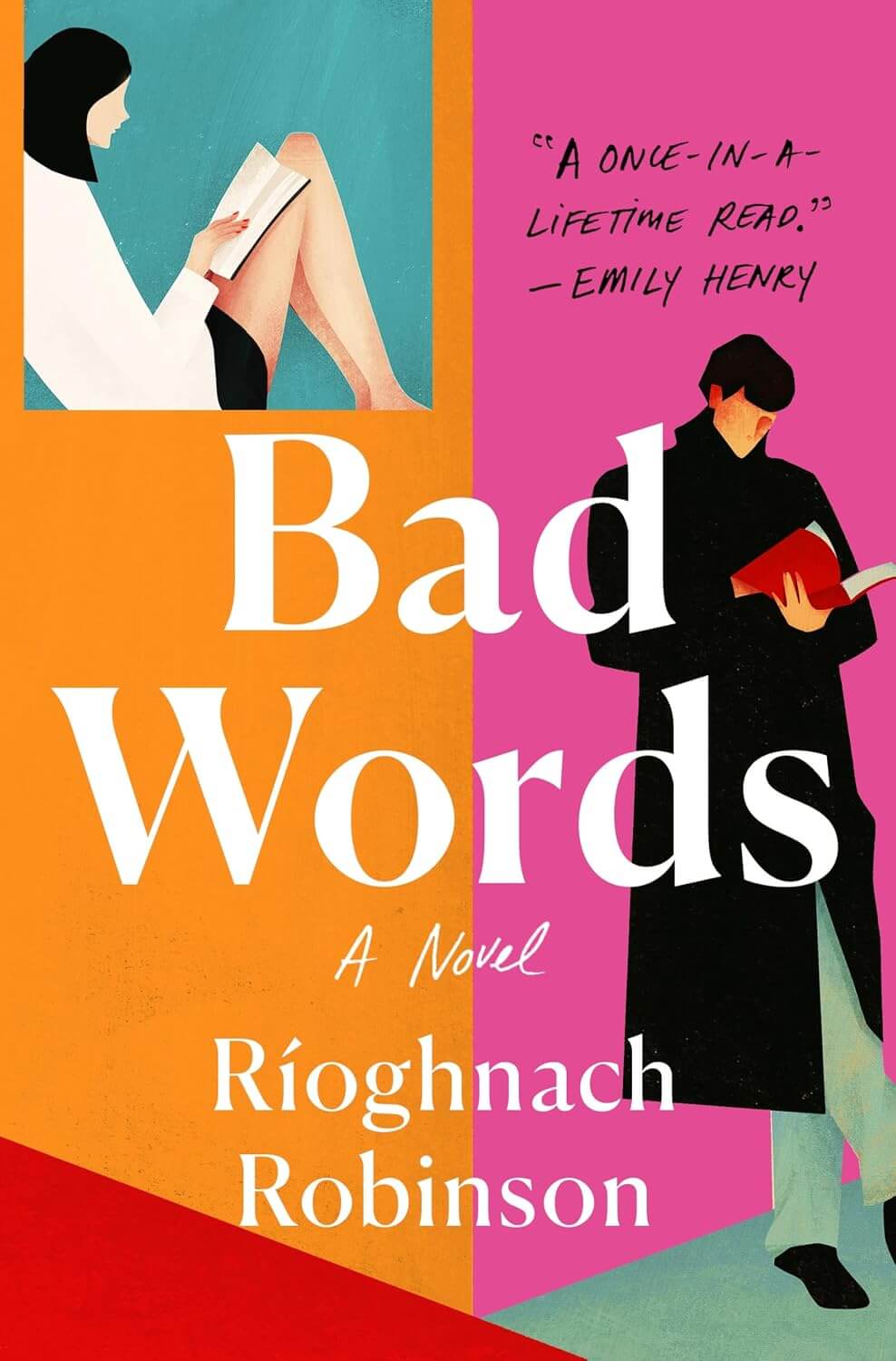 Bad Words by Rioghnach Robinson
Parker Navarro’s debut novel went from defining his career to flopping all thanks to critic Selina Chan’s bad review. His next book, now four years later, is Parker’s chance to redeem himself, but yet again Selina leaves him a scathing review, beginning a very viral feud with one another. The literary world is spurring on their public argument, but in the midst of that, a quieter conversation begins. It is a conversation to challenge everything they believe they know about success and each other.
Buy the book now: Bookshop.org | Amazon

Leave A Comment