

We are so thrilled to catch up with author Sadeqa Johnson this month for the release of her latest novel, Keeper of Lost Children. A Reese’s Book Club pick for her novel, The House of Eve, she has made a name for herself unburying history and creating unforgettable stories. We talked about the inspiration behind her latest historical fiction novel, telling a story through three points of view (and on three timelines), as well as some of the books she’s loving right now.
She Reads: The She Reads audience was a huge fan of The House of Eve, so we’re super excited about this one. Tell us, in your own words, what Keeper of Lost Children is about—and when you learned the history that became the basis for the novel.
Sadeqa Johnson: Well, I actually learned the history of the novel by accident. I always say that stories find me. I was tucked away at a little writing retreat in the Blue Ridge Mountains in Virginia—where I live—and I was working on The House of Eve. I think I was on maybe the fourth or fifth draft, so I was pretty deep into my editorial process.
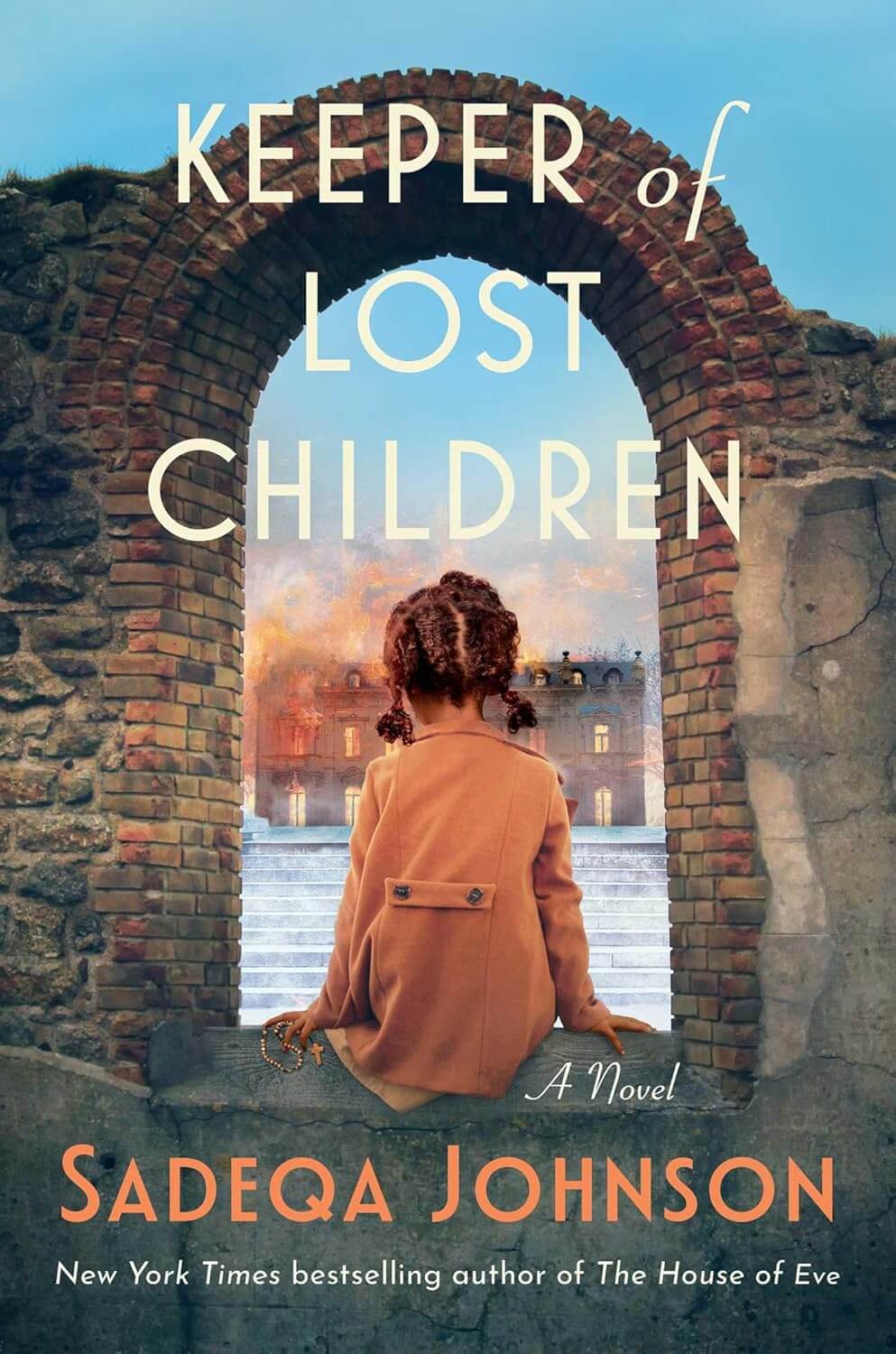
I went to do a little research and typed in something like adoption, unwed mothers, or orphans, and up popped Mabel Grammer. She was a woman who, during the occupation of Germany, was stationed there with her husband, who was a chief foreign officer in the U.S. Army. She couldn’t have children of her own, and she found these brown orphans in Catholic-run orphanages. She decided that something needed to be done—that these children were half American and deserved American homes.
She moved over 500 of these babies—some sources say over 500, others say over a thousand—so I don’t have an exact number. But I know she moved them between U.S. Army bases in Germany and then into the United States. She worked tirelessly. She ran an adoption agency for 18 years as a one-woman operation, cutting through red tape and never taking no for an answer.
When I read about her, I thought, why didn’t I learn about this woman in history class? Why didn’t she come up in social studies? There are so many women’s stories like hers that we’re never taught. I thought, this woman needs a story. That was the beginning for me.
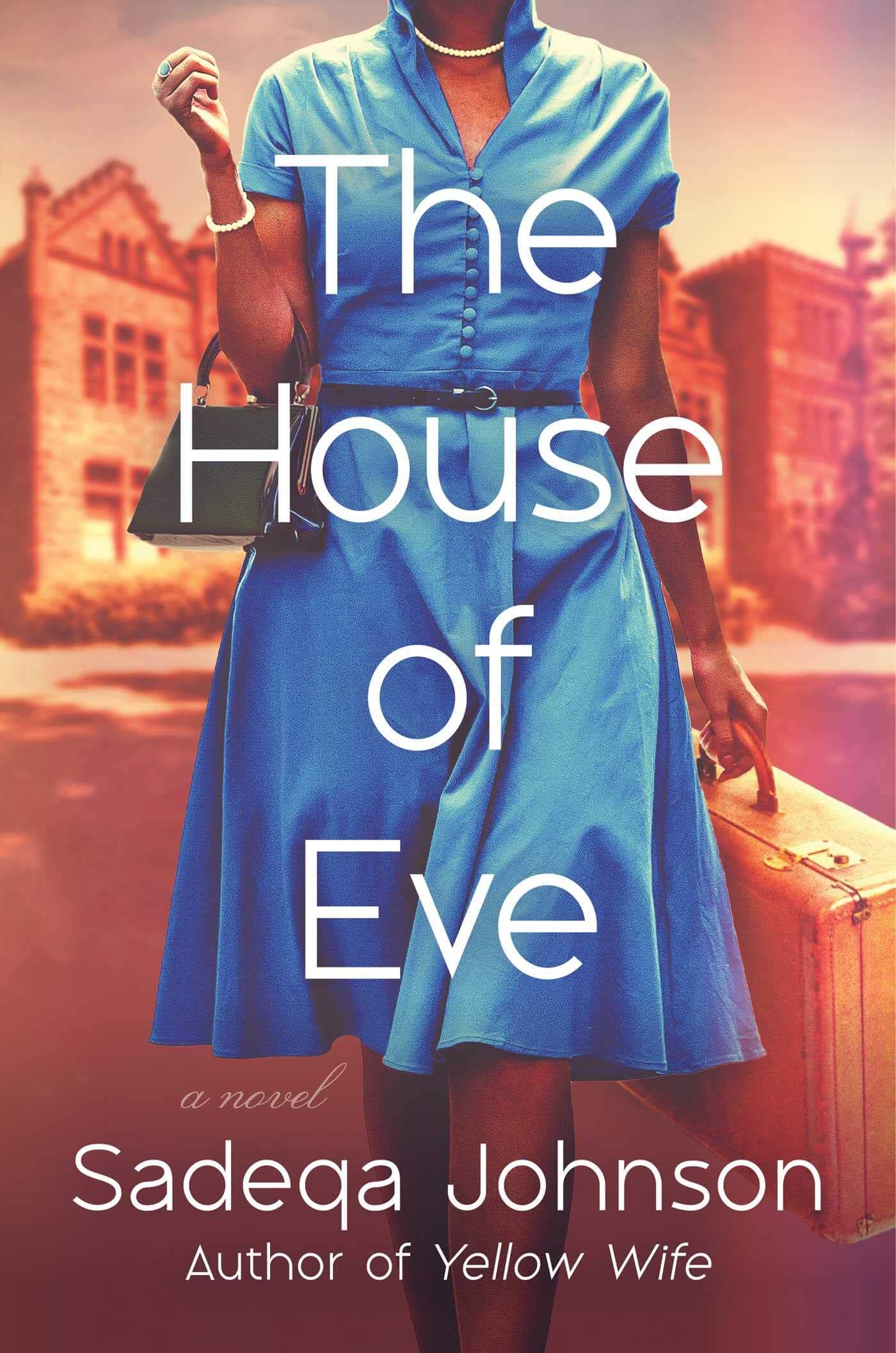
The caveat was that I was there to write The House of Eve, and I was on deadline. I gave myself ten minutes to write everything down in a notebook and promised myself I wouldn’t go down the rabbit hole yet. I had to put a timer on it.
She Reads: Isn’t that how it always happens? Right when you need to focus, the next idea is like, hello.
Sadeqa Johnson: Exactly. Mabel Grammer was the nucleus of Keeper of Lost Children. Then I talked to my great-uncle, who served in the U.S. Air Force in the ’30s and ’40s and was there during the D-Day campaign. He talked about how Jim Crow laws existed in America, but when Black American soldiers went to Germany, France, or England, people didn’t understand what was happening back home.
He told me about the freedom of being abroad—dating German women, having relationships, being treated differently—and I realized this was a perspective I had never read in World War II books. That’s how Ozzie was born. He’s a young man who wants a better life, can’t afford college, volunteers for the Army, and finds himself in a relationship that upends everything he thought his life would be.
Sophia came from my love of writing about teenage girls—15, 16, 17, 18—who are unhappy, unsupported, but know deep down that something better is meant for them. She lives on a farm, doesn’t feel like she fits in, and is offered a chance to attend a prestigious boarding school in Maryland that her family doesn’t want her to take. When she does, everything in her life changes.
These three characters are on very different paths. At first, readers might think, what is happening? But I promise you’ll reach a point where you can’t help but love them.
She Reads: Your novels often explore the ripple effects of women making decisions within constrained systems. Would you consider this a continuation of that exploration—and did this book demand something different of you?
Sadeqa Johnson: It is definitely a continuation, but this book demanded everything of me. It took everything out of me. I wouldn’t do it again. I would not write Keeper of Lost Children again.
It was my first time writing three points of view across three different timelines. I was trying to marry these stories together while also bringing awareness to overlooked moments in history. I see my books as teaching tools, but also as entertainment. I want readers to learn something and be unable to stop thinking about the characters.
She Reads: This novel sheds light on Black American GIs, German women, and their children—an often-overlooked chapter of history. Was there anything that surprised you as you researched more deeply?
Sadeqa Johnson: I was surprised by how far Mabel Grammer went to secure homes for these children. It was a calling for her. I was also struck by how many moments in history were so deeply unjust. There’s a scene where Ozzie talks about being in Arkansas, where white men cut a soldier’s uniform off him and said he didn’t deserve to wear it.
Writing about the ’40s, ’50s, and ’60s means confronting Jim Crow and racism head-on. I try to be truthful without overwhelming the reader—educating while still telling a compelling story.
World War II is one of the most familiar historical moments, yet so many layers are overlooked. The brown babies—the war babies—are consequences of war that weren’t talked about. Many Black GIs were sent home, unable to marry their German partners. The German government wouldn’t support the women, and the U.S. government wouldn’t help either. I wanted to reach the human core of that experience.
She Reads: When writing into these historical silences, how do you balance documented history with imagination?
Sadeqa Johnson: Ethel is closely based on Mabel Grammer, with room for creativity. Sophia and Ozzie come entirely from my imagination, informed by research. I read textbooks and firsthand accounts, then let the research live in my body while I write. It becomes a blend of both worlds.
She Reads: What historical lessons do you think resonate most strongly today?
Sadeqa Johnson: Ethel didn’t think about herself—she thought about others. That feels important in a world that can be very self-focused. With Sophia, small acts of kindness make a huge difference in her life. Those lessons still matter.
She Reads: Why did you choose multiple points of view?
Sadeqa Johnson: I didn’t have enough material on Ethel alone to carry the full story. Ozzie arrived fully formed, and I love telling stories about young women like Sophia. I always knew it would be three characters—I just didn’t realize how hard it would be.
I wrote each character in chunks, then printed everything out and arranged the chapters like a puzzle. A simple alternating pattern didn’t work this time; it had to be more organic.
I felt like I was managing my children.
She Reads: What are you reading right now?

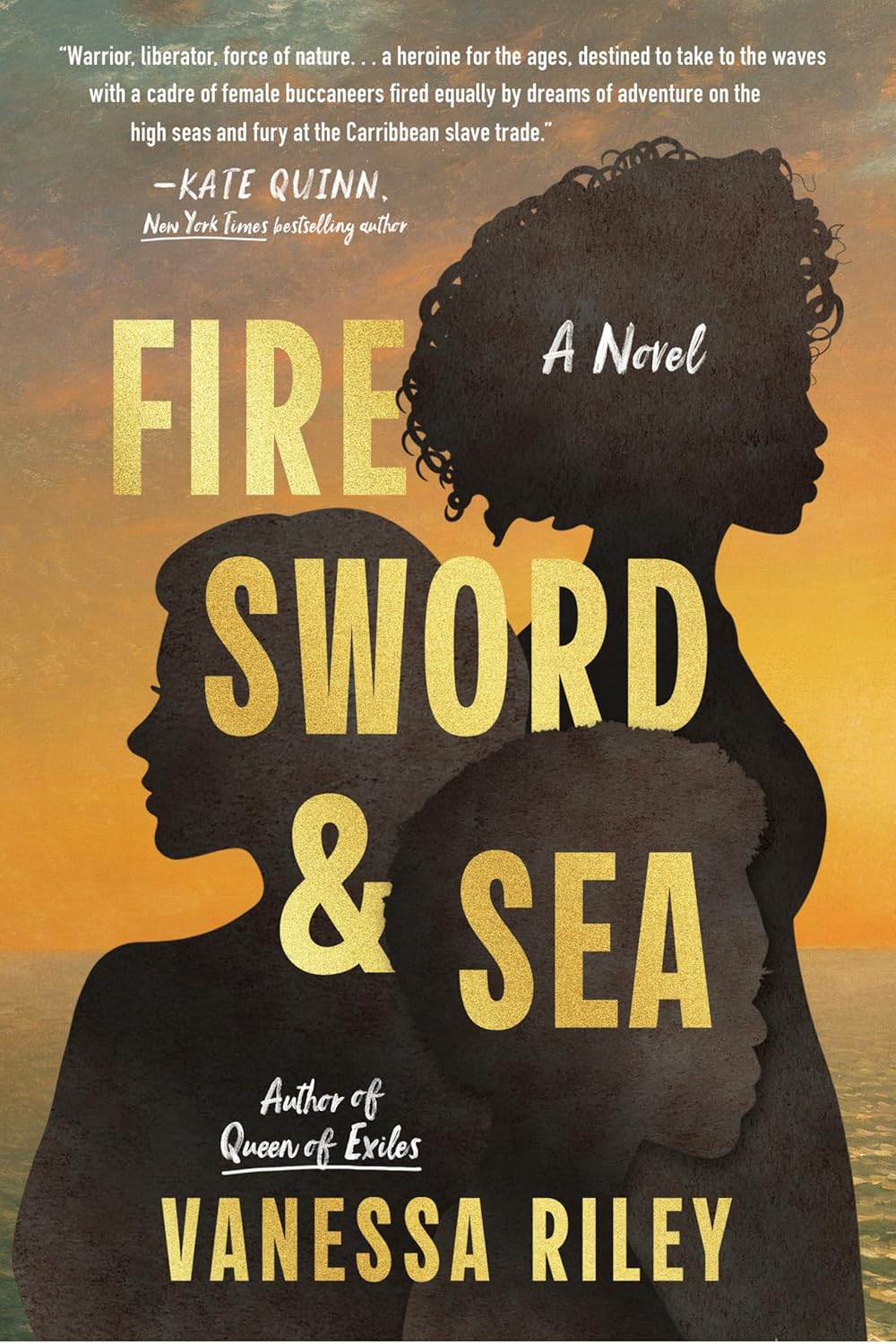
Sadeqa Johnson: I just finished Heart the Lover by Lily King. I need time to digest books before starting another. I’m considering The Correspondent, and my friend Vanessa Riley’s Fire, Sword, and Sea just came out, so I’ll read that too.
She Reads: Is there one book you recommend to everyone?
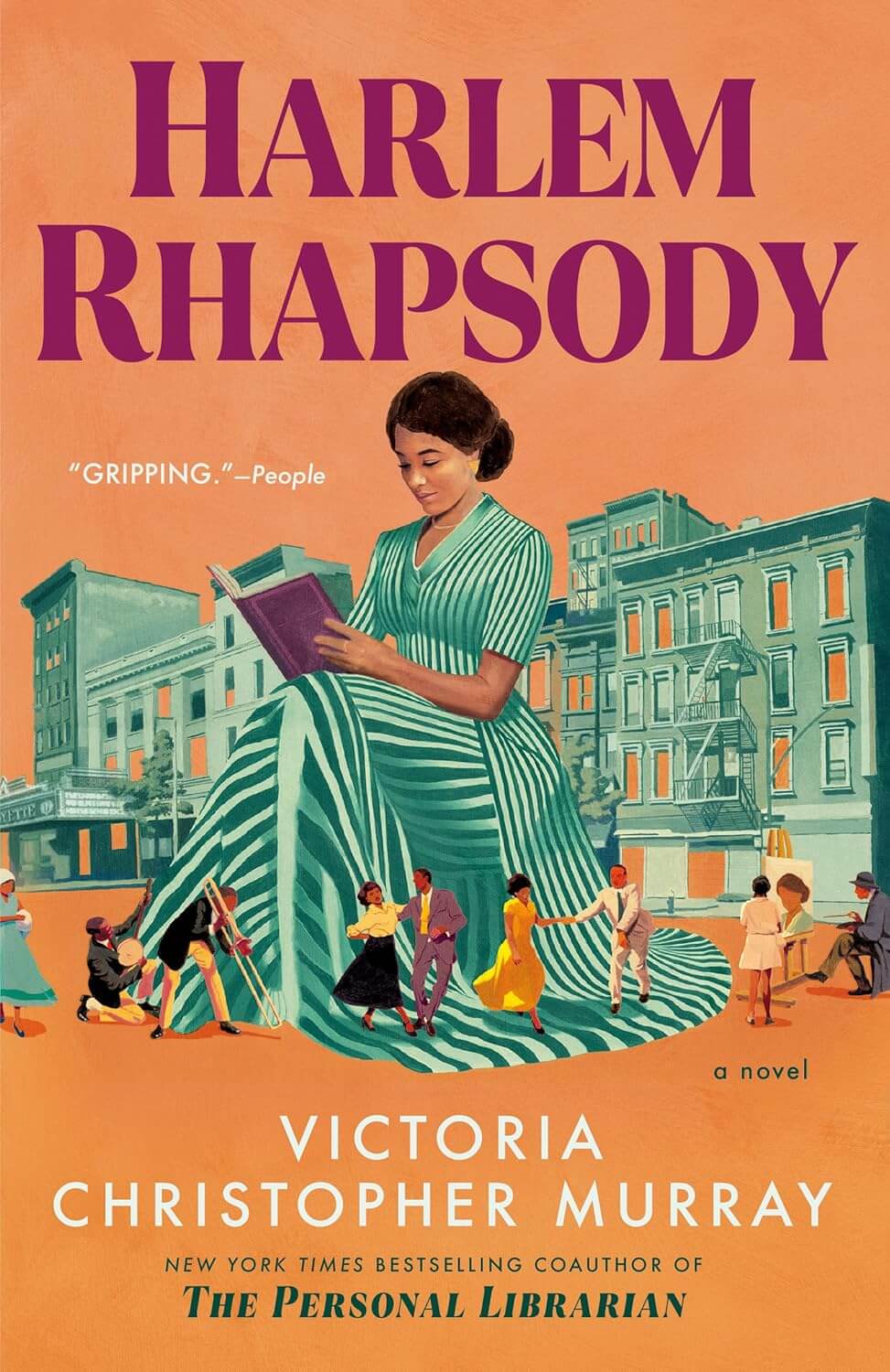
Sadeqa Johnson: For historical fiction, Harlem Rhapsody by Victoria Christopher Murray. My book of the year was Broken Country by Claire Leslie Hall—it crushed me in the best way.
She Reads: What upcoming books are you excited about?
Sadeqa Johnson: Vanessa Riley’s book, of course, and Tayari Jones’s Kin. I’m a huge fan.
She Reads: Finally, what are you working on next?
Sadeqa Johnson: I’m tinkering with an idea. I’ve started sketching, and it feels good. I don’t have enough yet, but the breadcrumbs are there.





Leave A Comment