
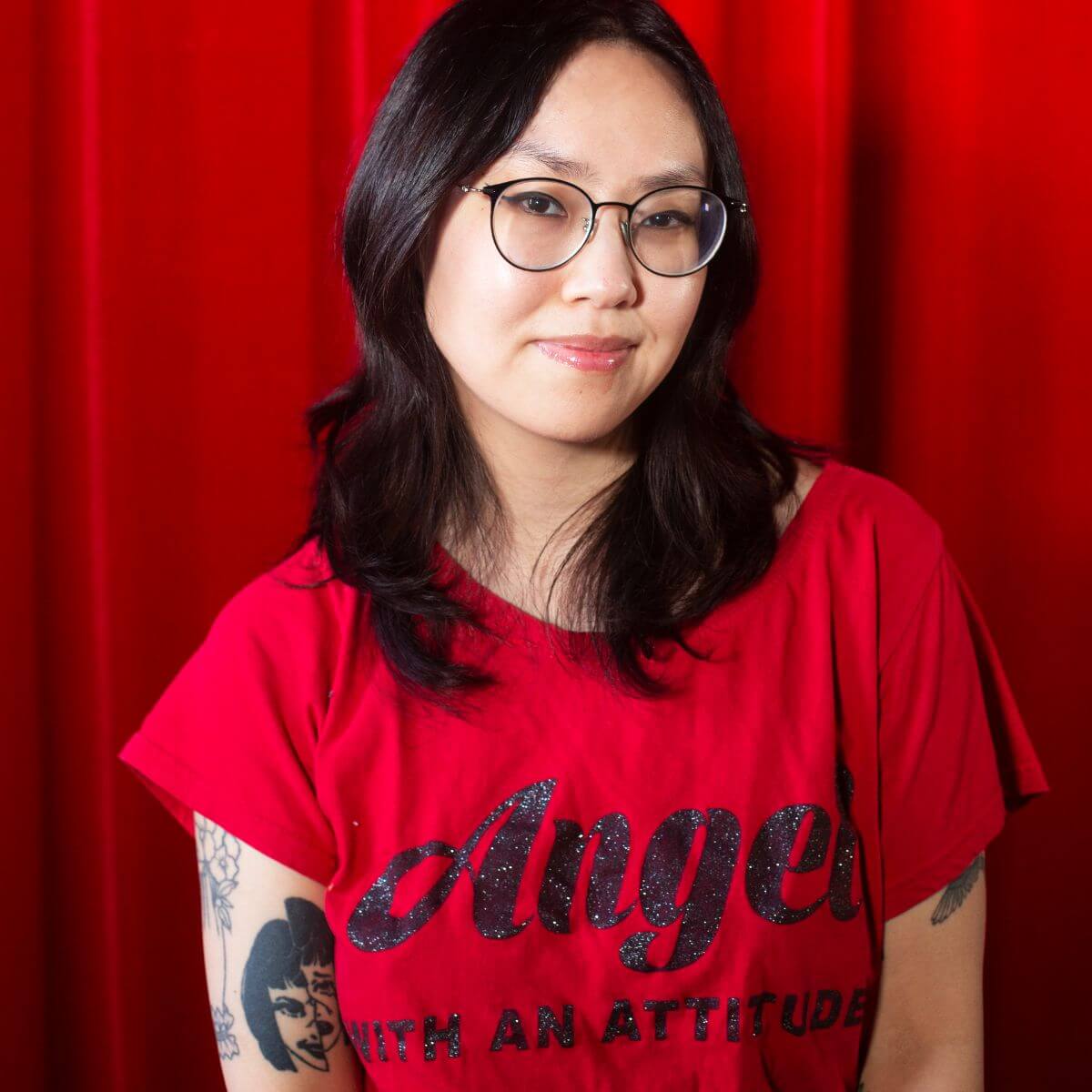
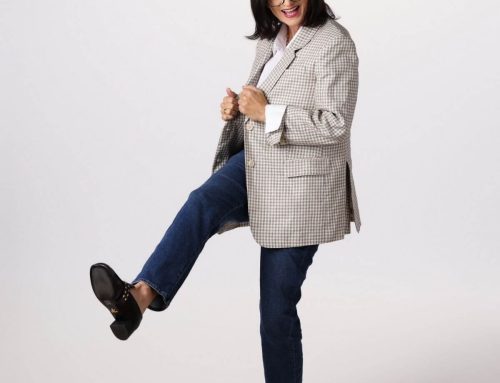
Cindy Pham is a queer Vietnamese-American author of fantasy books. Based in New York City, she works as a full-time designer while moonlighting as a fiction writer and content creator. Her YouTube channel, Read With Cindy, has amassed over half a million subscribers and focuses on books, movie reactions, and candid commentary. The Secret World of Briar Rose is her debut novel.
Tell us about The Secret World of Briar Rose. What inspired you to write this story?
The Secret World of Briar Rose is a queer Sleeping Beauty reimagining about a cynical thief searching for her missing sister, who ran away to find the sleeping princess in hopes of a better life. They uncover a hidden portal into the princess’s dreams, a seemingly perfect paradise with darker secrets repressed within her subconscious.
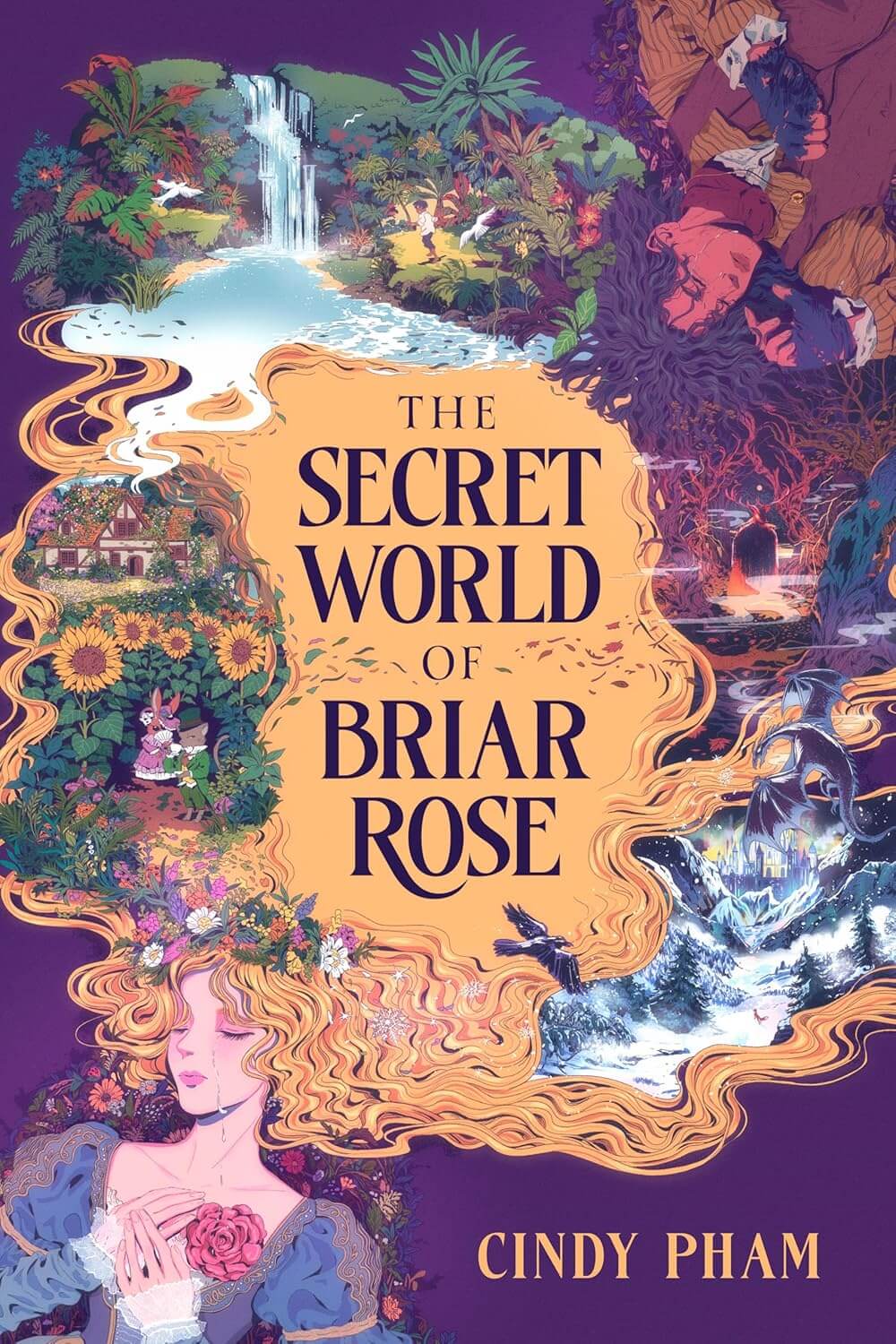
Buy the book now: Bookshop.org | Amazon
I was inspired to write this story because of a recurring wish I’ve had since childhood to sleep forever and never wake up. One day I wondered: what if Sleeping Beauty had wanted to sleep forever as well? What if this wasn’t a curse, but a respite from grief and depression? What would this beautiful dreamworld look like, and what would be the consequences of trying to run away from reality? The ideas spiraled from there, and writing this story became a cathartic outlet for me to express difficult feelings.
What drew you to Sleeping Beauty as the foundation for your story?
I was drawn to the idea of Sleeping Beauty’s curse being an allegory for depression and suicidal ideation. The titular character tends to be criticized for her lack of agency and identity, so I wanted to expand her character while leaning into those qualities, because depression is often a passive state of being. It’s difficult to embody heroic qualities like bravery and strength when you don’t even want to save yourself. I liked the idea of a story that focuses on characters who run away from the world rather than try to save it, and now you get to learn what really happened while she was sleeping.
How does a queer reimagining of it bring new light to a story so many are familiar with?
The decision to make the characters queer was less for representation or romance, and more for adding layers to the story’s themes. The characters escape into an imaginary world where they can fully be themselves. It’s a safe space where one can exist without danger or judgment that reality would bring. This would be ideal for anyone, but it hits different for queer and marginalized people. Being purposeful with the characters’ identities (women, nonbinary, queer, non-white) creates new implications that were interesting for me to explore, even when I hadn’t known I was queer yet.
What did you want to challenge about the original story? And what did you want to preserve?
I wanted to challenge how fairy tales are told and who is benefitting from those narratives, because many times, stories are told to fuel a specific narrative about who are the heroes, who are the villains, and what principles are we supposed to believe (conquering land is having power, romantic love is a happy ending to strive for, etc.) The character archetypes from the original story are preserved, like the passive princess in distress, the brave and loyal prince who saves her, the villain who’s vengeful and destructive, the stepmother with ulterior motives — but they’re re-contextualized by new perspectives that provide a wider scope. There is a line from the book that I think summarizes it best: “As they ran, Corin could only think about how the fairy tales were wrong. There were no heroes to save them. They were only stories written by invaders—not the ones from faraway lands who sought refuge, but the very men who tore down their homes, claiming heroism in their own violence.”
The dream realm invokes striking imagery like ice castles, sunflower mazes, star-filled oceans. What was world building like for you?
World building in the context of the dream realm was fun because not only does it allow me to indulge in flowery writing, it also lets me play with ever-shifting landscapes that change based on the characters’ interiority, oftentimes even reflecting their psyche. This makes the dream realm a beautiful, surrealistic world that contains undercurrents of darkness that the characters cannot escape from, no matter how hard they try to repress it. Amelia’s dreamworld is also divided into regions like Winterland, Springland, Summerland, and Autumnland—this contextualizes the characters’ memories to specific seasons while giving the illusion of time.
Sisterhood sits at the heart of the story, particularly in Corin’s relationship with Elly. Why was that relationship so important to the emotional core of the novel?
Their tumultuous relationship is the catalyst to the events in this story, and reconciling with Elly is the ultimate challenge for Corin to face in the dreamworld. Their sisterhood represents the ways humanity is complicated and difficult, particularly when you both love and resent someone, or feel like you failed a relationship and must live with regrets and lack of closure. The way Corin handles her relationship with Elly is the biggest indicator of her emotional arc throughout the story and whether she is capable of growth, love, and forgiveness.
You’ve spent years on YouTube talking about books and building a reading community. At what point did you begin to feel the pull to write one yourself?
I’ve written books for years before I started my YouTube channel, and I wrote the first draft for The Secret World of Briar Rose 4-5 years before I posted my first YouTube video. By the time I started my channel, I’d taken a break from writing because I wanted to focus on my design career. It took 1-2 years after I started posting videos about books for me to be pulled to writing again and revisiting that first draft. It’s inevitable to think about my own story after being so entrenched by others.
How did being a longtime reader and reviewer shape the way you approached storytelling and worldbuilding?
Being a reader and reviewer has encouraged me to think more critically about the books I read, especially as I’m forced to articulate online why I like or don’t like a story. This helped me distinguish my tastes in books and translate that into my writing, which is really just me indulging in what I like to read. For example, reading and reviewing made me realize I love flowery prose, flawed characters, story concepts that play with time, and writing that is often ruminating and reflective, even at the expense of being slow-paced or depressing. I don’t think that being a reader and reviewer means you’ll be a good writer, but I believe it does make you a more purposeful one, because you can narrow down what type of story you want to write rather than be influenced by what the average person might think a good book “should” be.
How do you see your role shifting now that you’re both a reader recommending books and an author with a book entering that ecosystem?
I view reading and writing as something I do because I enjoy it, rather than a career I’m trying to pursue, so I don’t see my role shifting much. People might think I’ve gotten soft as a reader with how I share my thoughts on books, but I still post roast videos that poke fun at ridiculous books I’ve read, so that’s not quite true haha. Rather than my role shifting, I see it expanding to new interests as I grow as a person too. I’ll still post book recommendations and rants, but I’ll also post discussion videos about my thoughts on the publishing industry or reactions to the latest book-to-movie adaptation. I’ve become a more critical reader since writing a book, but I’ve also become more empathetic to authors, knowing what the other side is like too. Ultimately, the videos I make, books I read, and stories I write will continue to be a reflection of what I’m interested in, and to me that is more freeing than if I tried to contain it within expected roles or career paths.
As we head into summer, do you have a favorite summer reading (or writing) spot?
My reading and writing spots aren’t based on seasons but on convenience: I exclusively read during my commutes and chores, and I write either at home or at a cafe. Sorry for not having a more interesting answer haha. I can’t be picky since I’m juggling 3 jobs and would be lucky to get any scraps of free time to read or write.
What travel destinations make you feel most inspired to write?
It’s less about the travel destination for me and more about whether I’m given the mental space to think and write, but I already gave a boring answer to the previous question, so I’ll try to salvage this one by sharing an anecdote: I was on a solo trip in Portugal where I’d decided I would revisit my first draft for The Secret World of Briar Rose and pursue publishing the book. I say it’s less about the location and more about the mental space because that was the first time I traveled alone, so I wasn’t distracted by friends, a busy itinerary, or thinking about my next design project at my day job. My brain kept going back to that story, and how I should change the characters to be queer to deepen the story’s themes, and how I should write two timelines 100 years apart to show how the dreamworld came to be and how it all connects together. The views in Portugal were beautiful, but the real privilege is having mental space to creatively explore and think.
What are you currently reading?
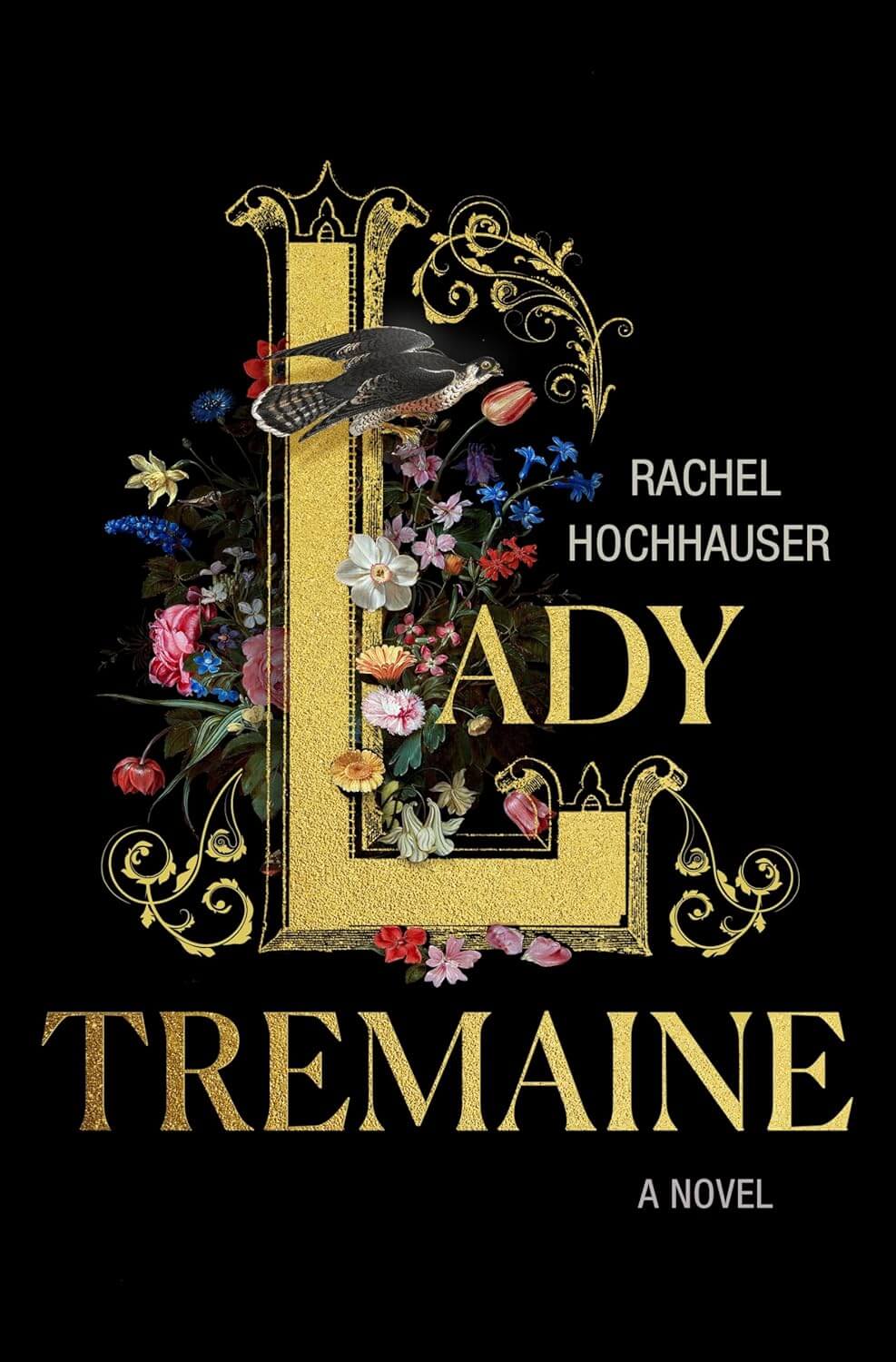
I’m currently halfway through Lady Tremaine by Bessie Carter, which is a Cinderella retelling that focuses on the stepmother. I’m loving it so far because it reminds me why I enjoy fairytale retellings so much: It expands a character who was pretty surface level in the source material and turns them into someone who feels more human and real.
What are a few books you find yourself recommending over and over again?
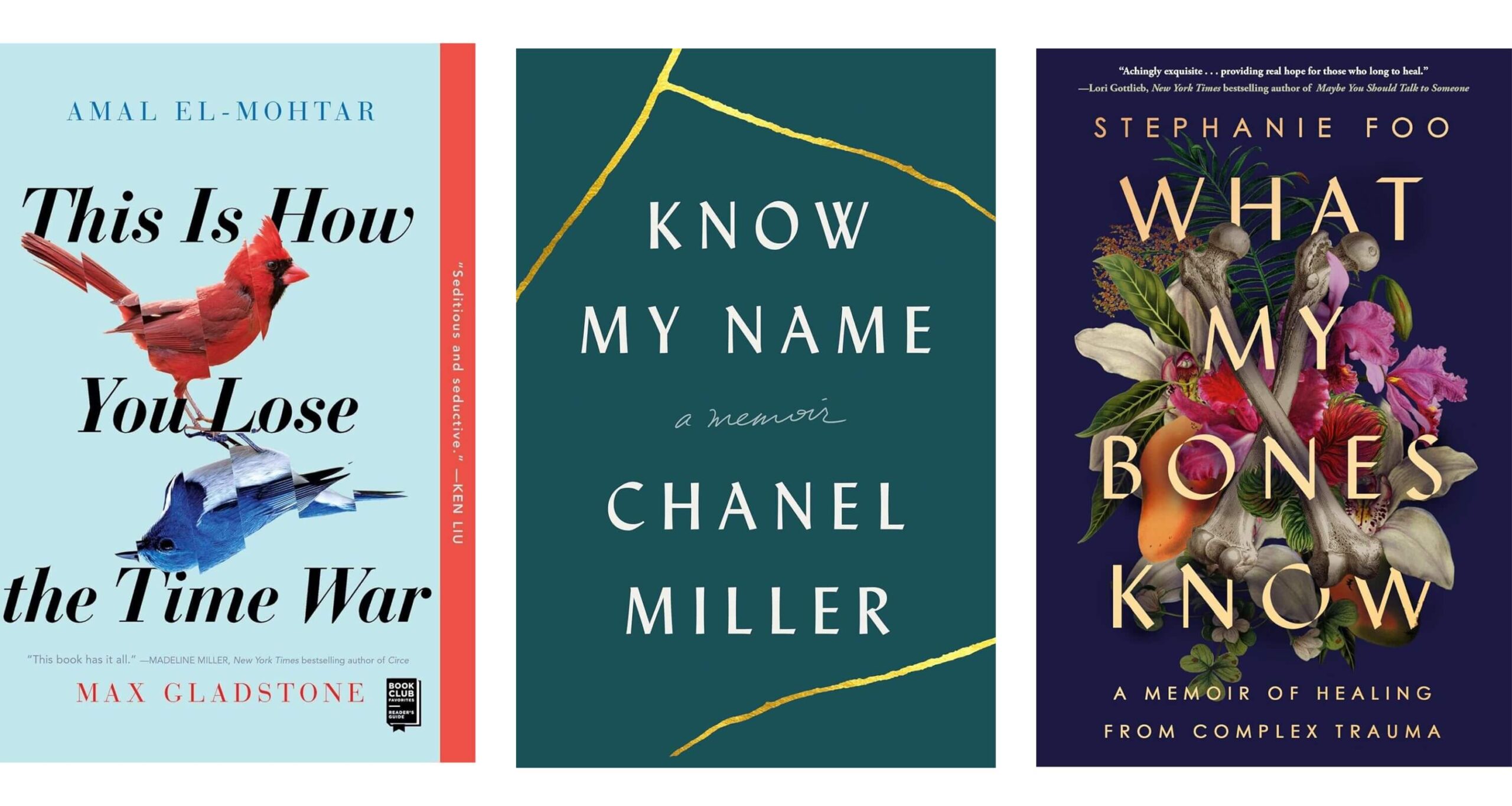
I’ll limit myself to just three: This Is How You Lose the Time War by Amal El-Mohtar and Max Gladstone, Know My Name by Chanel Miller, and What My Bones Know by Stephanie Foo.
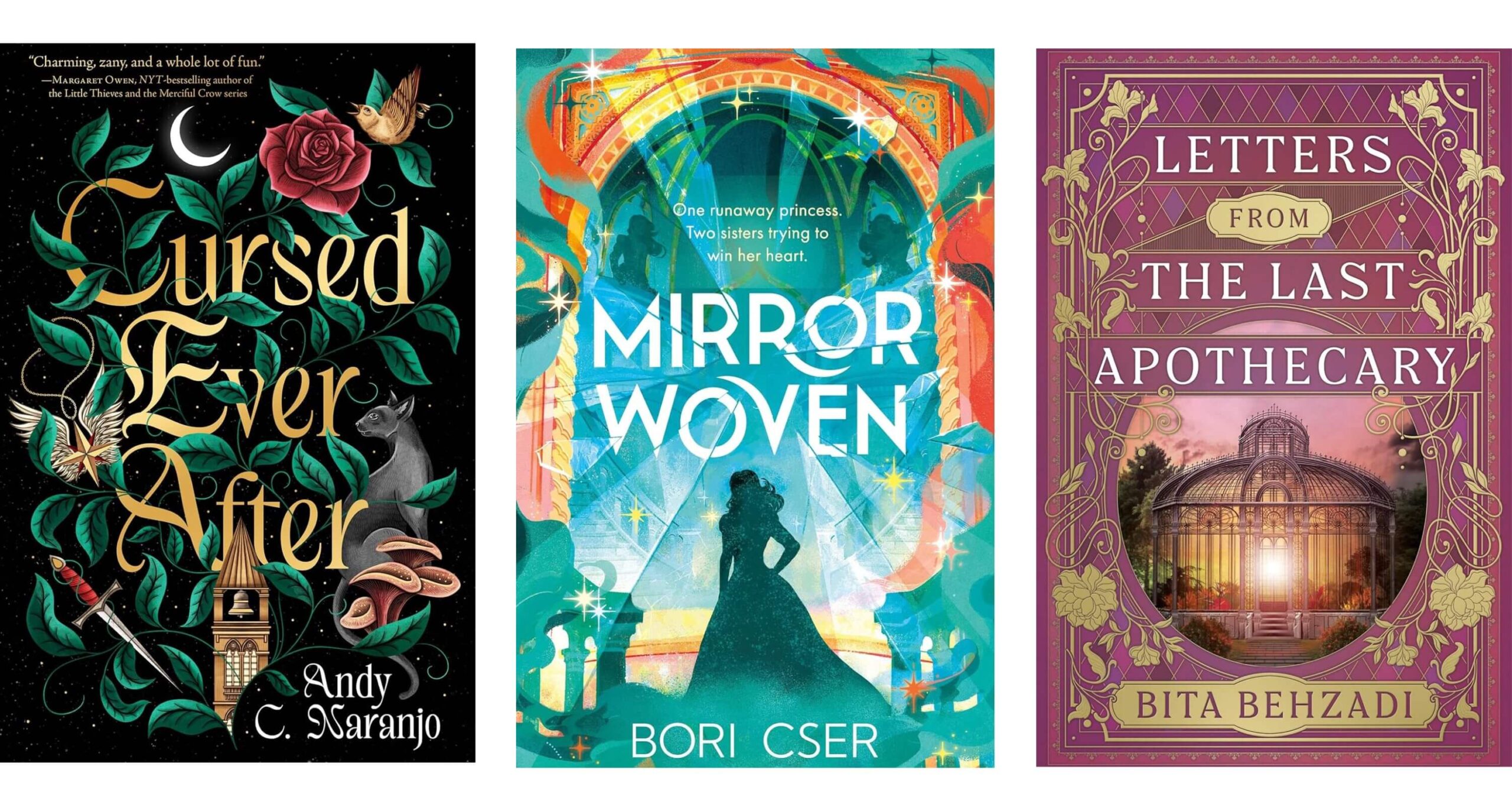
What’s a new book releasing in 2026 that you’re excited to pick up?
I’ll limit myself to just three again: Cursed Ever After by Andy C. Naranjo, Mirrorwoven by Bori Cser, and Letters From the Last Apothecary by Bita Behzadi.
What are you working on next?
I don’t want to reveal anything because it’s too early, so all I’ll say is that I am very slowly wrapping my mind around writing a new book with a chaotic evil bisexual main character.

Leave A Comment